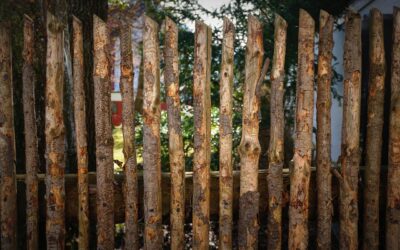
The cost of a basic 6-foot wood privacy fence has nearly doubled since 2019, pushing the average installed price past $35 per linear foot. Smart homeowners with even modest DIY skills are finding inexpensive fence ideas that come in at $5 to $12 per foot, often with more visual interest than the standard pressure-treated picket. The key is matching material choice to actual purpose — privacy, pet containment, livestock, decoration, or boundary marking each call for different solutions, and overspending on the wrong style is the most common backyard fencing mistake. This guide covers the seven budget approaches that consistently deliver good looks and real durability.
Part of our Decks & Outdoor guide — explore the full guide →
- Match the Fence to the Job
- Cattle Panel Fence: $4 to $7 Per Foot
- Hog Wire and Cedar Frame: $8 to $12 Per Foot
- Pallet Fencing: $1 to $3 Per Foot
- Chain Link Plus Privacy Slats: $9 to $14 Per Foot
- Bamboo Roll Privacy Screen: $3 to $6 Per Foot
- Welded Wire on Cedar Posts: $6 to $9 Per Foot
- Living Hedge as Fence: $2 to $5 Per Foot Initial
- Reclaimed Wood From Construction Sites
- Comparing the Options at a Glance
- Skip These Tempting Shortcuts
- Permits and Property Lines
Match the Fence to the Job
Before pricing materials, define what the fence actually needs to do. The right answer is rarely “everything.” A fence that just keeps the dog in your yard does not need to be 6 feet tall. A fence marking a side property line does not need to be solid. A fence screening a hot tub from neighbors does not need to surround the entire backyard. Limiting scope is the single biggest cost lever.
Once you know the purpose, you can rank candidates by cost per linear foot. The numbers below assume DIY installation with basic tools — add roughly $15 to $25 per linear foot if hiring out the labor.
Cattle Panel Fence: $4 to $7 Per Foot
A cattle panel is a 16-foot by 50-inch grid of welded steel rod. They cost about $30 each at Tractor Supply, plus T-posts at $7 each driven every 8 feet. Total material cost runs $4 to $5 per linear foot.
The look is more refined than chain link, and you can dress it up by adding cedar 1×4 trim along the top and bottom for a “ranch modern” aesthetic that costs $7 to $9 per foot finished. Cattle panel handles dogs, chickens, and small livestock without complaint. Lifespan is 30-plus years if galvanized.
- Material: 16-foot galvanized cattle panels, 6.5-foot T-posts
- Tools: T-post driver, fence pliers, level
- Install time: 4 hours per 50-foot section for two people
- Best for: backyard dog runs, garden boundaries, rural properties
Hog Wire and Cedar Frame: $8 to $12 Per Foot
Hog wire is similar to cattle panel but with smaller openings. Frame it with rough-sawn 2×4 cedar and you get a Pinterest-grade modern fence at less than half the cost of horizontal cedar slat fencing.
The build is straightforward — set 4×4 cedar posts in concrete every 8 feet, build 8-foot frames from cedar 2x4s, staple hog wire to one face of the frame, and screw the panel between posts. Total cost runs $8 to $12 per linear foot depending on lumber grade and whether you stain the cedar.
Pallet Fencing: $1 to $3 Per Foot
Free pallets from local businesses can become a serviceable rustic fence with a weekend of work. Look for pallets stamped HT (heat treated, not chemically treated) and intact stringers.
- Disassemble pallets carefully with a reciprocating saw and pry bar
- Sort the boards by length and condition
- Set 4×4 posts every 8 feet in concrete
- Attach pallet boards horizontally with deck screws
- Stain or paint to unify the look
The aesthetic depends entirely on your patience with sorting. Done well, the result looks like reclaimed barnwood. Done badly, it looks like exactly what it is — a fence made of pallets. Lifespan is 5 to 8 years untreated, longer with stain.
Chain Link Plus Privacy Slats: $9 to $14 Per Foot
A 6-foot chain link fence costs about $7 to $10 per foot installed DIY. Add commercial-grade privacy slats (Pexco WingedLock or similar) for $2 to $4 per foot more and you have a 75-percent privacy fence that meets HOA rules in most communities.
The slats come in several colors — green, brown, tan, black — and slide vertically through the chain link openings. Installation takes about 30 minutes per 8-foot section. The look is industrial but inoffensive, and the fence will outlast wood by decades.
Bamboo Roll Privacy Screen: $3 to $6 Per Foot
For temporary or semi-permanent screening, rolled bamboo on existing chain link is the cheapest path to instant privacy. A 6-foot by 16-foot roll runs $40 to $80 at Home Depot or Costco. Zip-tie it to chain link and you have an immediate privacy improvement.
Bamboo is one of the more underrated inexpensive fence ideas because most homeowners overlook how good it looks against existing structures. Lifespan is 4 to 7 years before the bamboo splits and frays. Stain with a clear UV-resistant exterior sealant to add years to it.
Welded Wire on Cedar Posts: $6 to $9 Per Foot
For a clean farmhouse look at a fraction of the cost of board-on-board, set 4×4 cedar posts every 8 feet, run two horizontal cedar 1×6 rails (top and bottom), and stretch black welded wire between them. Total cost lands around $6 to $9 per linear foot depending on cedar prices.
The fence is open visually but contains pets and small children. It looks great around vegetable gardens, side yards, and rural front yards. Build time is about a day per 50 feet for two people working with augers and fence pullers.
Living Hedge as Fence: $2 to $5 Per Foot Initial
Privet, boxwood, arborvitae, and Leyland cypress create excellent natural fences over time. Three-gallon plants spaced 3 feet apart cost $20 to $30 each, working out to $7 to $10 per foot of fenceline. Smaller starter plants in 1-gallon pots run $2 to $5 per foot but take 5 years to fill in.
The trade-off is time and maintenance. A planted hedge takes 3 to 7 years to reach full screening height. Annual trimming is required to keep the shape. But the long-term cost is essentially zero, and a mature privacy hedge can add real property value.
Reclaimed Wood From Construction Sites
Job-site dumpsters often hold dimensional lumber from short cuts and replaced framing. Ask permission before scavenging. Builders are usually happy to let homeowners take cutoffs, especially treated 2x4s and 2x6s under 4 feet long.
Combine reclaimed wood with new 4×4 posts (always buy new posts — the structural integrity matters too much for unknown reclaimed material) for a cost in the $3 to $5 per linear foot range. The mixed-grain look reads as intentional when paint or stain unifies the colors.
Comparing the Options at a Glance
Here is how the budget approaches stack up for the typical 100-foot residential run.
- Pallet fence: $100 to $300 total, 5-8 year lifespan
- Cattle panel: $400 to $700, 30-year lifespan
- Bamboo on chain link: $300 to $600 over existing fence
- Welded wire on cedar: $600 to $900, 15-year lifespan
- Hog wire and cedar frame: $800 to $1,200, 20-year lifespan
- Chain link with slats: $900 to $1,400, 30-year lifespan
- Living hedge (mature plants): $700 to $1,000 initial, indefinite lifespan
Skip These Tempting Shortcuts
Some inexpensive fence ideas circulating online cost more in failures than they save up front.
- Untreated 2x4s in the ground (rot in under 2 years)
- Posts set in dirt only, no concrete (lean within one freeze cycle)
- Drywall screws instead of exterior structural screws
- Recycled plastic lumber from unknown sources (UV degrades quickly)
- Bamboo poles directly buried (rot underground in 1 year)
Permits and Property Lines
No matter how cheap, every fence project starts with a property survey or at least pin location. Fences built on the wrong side of the line are forced removals at full owner expense. Many municipalities require a permit for fences over 4 feet (front yard) or 6 feet (back yard). Cost is usually $35 to $100. Spend the morning at city hall before spending the weekend in the yard.
An inexpensive fence that lasts is always cheaper than a cheap fence that fails. Match the material to the job, set posts properly, and stain or seal to extend life. The best budget fences are the ones nobody realizes were built on a budget.