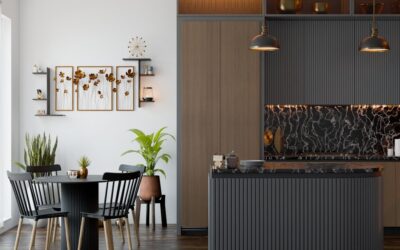
Beadboard has been on American walls since the Victorian era, and it has cycled in and out of fashion at least three times since. So when homeowners ask is beadboard out of style, the honest answer is that the material is not dated, but certain ways of using it are. Glossy white beadboard wrapped around every wall of a 2005 bathroom feels tired. A deep-green painted beadboard ceiling in a 2026 porch looks fresh. The difference comes down to placement, scale, color, and how the beadboard relates to the rest of the room.
- Is Beadboard Out of Style in 2026? The Short Answer
- Where Beadboard Still Looks Timeless
- Where Beadboard Can Feel Dated
- Current Beadboard Trends
- How to Update Existing Beadboard Without Tearing It Out
- Beadboard Materials: What to Choose Today
- Beadboard in Bathrooms: Still a Good Idea?
- Matching Beadboard to Your Home's Architecture
- Cost of Removing vs. Refreshing Beadboard
- Alternatives If Beadboard Is Not Your Style
- The Verdict: Is Beadboard Out of Style?
Is Beadboard Out of Style in 2026? The Short Answer
No, beadboard is not out of style, but it has shifted from a default wall covering to a deliberate design accent. Designers today use it in fewer places and with more intention. You will see it on ceilings, in mudrooms, on kitchen islands, inside built-ins, and on bathroom wainscot, often painted a saturated color rather than bright white.
What has gone out of fashion is the late-1990s and 2000s formula: thin white vinyl or MDF sheets, standard 32-inch chair-rail height, installed room after room, capped with a skinny rounded molding. That combination now reads as builder-grade. The good news is you can usually update it without demolition.
Where Beadboard Still Looks Timeless
Some applications have never really gone out of style because they suit how beadboard was used historically: in hardworking rooms and outdoor spaces.
- Porch ceilings: Painted beadboard porch ceilings, often in a pale blue or soft white, are a regional tradition, especially across the South and New England. They remain as popular as ever.
- Mudrooms and laundry rooms: Beadboard wainscot takes scuffs better than drywall and fits the utilitarian feel of these spaces.
- Kitchen islands and cabinet backs: A beadboard panel on the back of an island or inside open shelving adds texture without overwhelming the room.
- Farmhouse and cottage bathrooms: Tall beadboard wainscot, around 48 to 54 inches, with a ledge cap still looks right in older homes.
- Ceilings in general: Beadboard ceilings in kitchens, sunrooms, and bedrooms add warmth and help hide cracked plaster.
In homes built before 1940, beadboard often matches the original architecture and should be preserved or restored rather than removed.
Where Beadboard Can Feel Dated
Certain uses tend to look like a remodel from 20 years ago. If your space fits these patterns, you may want to update it:
- Beadboard on every wall of a small room, especially with a matching ceiling, which feels boxed-in.
- Thin 1/4-inch sheet beadboard with visible seams every 4 feet.
- Stark white paint in high gloss that shows every seam and dent.
- Very short wainscot at 30 to 32 inches paired with a narrow chair-rail cap.
- Beadboard in a sleek, contemporary home where it clashes with flat-panel cabinets and minimalist trim.
- Vinyl or plastic beadboard that has yellowed or warped.
Notice that most of these issues are about execution, not the material itself. Swap a couple of variables and the same beadboard can look intentional again.
Current Beadboard Trends
Designers have found several ways to make beadboard feel current rather than nostalgic.
Saturated Paint Colors
Deep greens, muted blues, earthy terracotta, and warm charcoal are replacing bright white. A satin or eggshell finish in a moody color hides seams and makes the grooves read as texture rather than stripes.
Taller Wainscot Heights
Instead of 32 inches, today’s installs often run 48 to 60 inches, or even two-thirds of the wall height. That proportion feels more custom and makes rooms look taller.
Wider Bead Spacing
Traditional beadboard has beads every 1-1/2 to 2 inches. Wider profiles of 3 to 4 inches, sometimes called “V-groove” or “nickel gap” style, look more modern and less busy.
Color Drenching
Painting the beadboard, trim, wall above, and even the ceiling the same shade creates a cohesive, enveloping look that feels very 2026.
Natural Wood Finishes
Clear-coated pine or white oak beadboard on ceilings and in cabins brings warmth that aligns with the broader trend toward natural materials.
How to Update Existing Beadboard Without Tearing It Out
If you have dated beadboard, removal is rarely your only option. These upgrades cost far less and often make a bigger difference:
- Repaint in a new color. Clean with a degreaser, scuff-sand with 180 to 220 grit, prime with a bonding primer, and apply two coats of a durable enamel. A 12 by 14 foot room of wainscot typically needs 1 to 2 gallons and costs $80 to $180 in paint and supplies.
- Upgrade the cap. Replace a skinny chair rail with a built-up cap: a flat 1×4 rail, a 1×2 ledge, and a small cove underneath. This single change makes sheet beadboard look like custom millwork.
- Raise the height. Add a second tier of beadboard above existing wainscot and cap it at 48 to 60 inches. Hide the seam under a new rail.
- Swap the baseboard. A taller, flatter baseboard of 5-1/2 to 7-1/4 inches grounds the wainscot and reads more current than a short colonial profile.
- Fix the seams. Caulk and fill visible sheet seams, or cover them with a thin vertical batten spaced evenly across the wall for a board-and-batten hybrid.
If the beadboard is vinyl that has warped or yellowed, replacement is usually the better route. Paint does not bond well to many vinyl products without special primers, and warped sheets will keep moving.
Beadboard Materials: What to Choose Today
The material you choose affects both longevity and how modern the result looks.
| Material | Cost per sq ft | Best Use |
|---|---|---|
| MDF sheets | $1–$2.50 | Dry rooms, painted |
| Plywood sheets | $1.50–$3 | Ceilings, painted or stained |
| Solid wood tongue-and-groove | $3–$7 | Authentic look, restorations |
| PVC tongue-and-groove | $3–$6 | Bathrooms, porches, laundry |
Individual tongue-and-groove planks look far more authentic than 4 by 8 sheets because there are no telltale seams. They cost more and take longer to install, but they are the single best way to make new beadboard feel timeless rather than trendy. Professional installation typically runs $7 to $15 per square foot including materials.
Beadboard in Bathrooms: Still a Good Idea?
Bathrooms are where beadboard is most common and most likely to fail. Humidity and splashing cause MDF to swell at the bottom edge, especially near toilets and tubs. If you love the look, follow a few rules:
- Use PVC or solid wood, never raw MDF, in full bathrooms.
- Keep a 1/8-inch gap at the floor and seal it with a flexible silicone or siliconized acrylic caulk.
- Prime all six sides of wood planks before installation.
- Finish with a semi-gloss or satin enamel that can be wiped down.
- Run the bath fan for at least 20 minutes after showers to control moisture.
Paired with modern fixtures, matte hardware, and a patterned tile floor, beadboard wainscot can make a bathroom feel both classic and current.
Matching Beadboard to Your Home’s Architecture
Whether beadboard feels right or wrong often has less to do with trends and more to do with the house itself. The same product that looks perfect in a 1910 bungalow can look out of place in a 2020 glass-and-steel build.
- Victorian and Craftsman homes: Beadboard is historically accurate here. Use narrow-bead solid wood planks, stain or paint them, and pair them with substantial casing and a plate-rail cap.
- Coastal and cottage homes: Beadboard ceilings and tall wainscot feel natural. Soft blues, sandy neutrals, and weathered white finishes suit the style.
- Modern farmhouse: Choose wider groove spacing and pair it with black hardware and matte finishes so it does not tip into country kitsch.
- Traditional and Colonial: Beadboard works best in secondary spaces such as butler’s pantries, back halls, and powder rooms, while formal rooms get raised-panel or picture-frame wainscot.
- Contemporary and minimalist: Skip classic beadboard walls. If you want texture, try a wide nickel-gap or slat panel on a single wall or ceiling.
A good test is to ask whether the beadboard would plausibly have been there when the house was new. If the answer is yes, it will almost never feel out of style.
Cost of Removing vs. Refreshing Beadboard
Before tearing anything out, compare the numbers. Removing sheet beadboard often damages the drywall behind it because most installs use construction adhesive. Expect $2 to $4 per square foot to remove and dispose of it, then another $1.50 to $3.50 per square foot to repair, skim-coat, and paint the wall. For a 12 by 14 foot room with 36-inch wainscot, that adds up to roughly $500 to $1,200 before any new finish goes up.
Refreshing is usually far cheaper. A new built-up cap, taller baseboard, and two coats of enamel in a modern color often cost $250 to $600 in materials for the same room, or $800 to $1,800 if a painter and carpenter handle it. Unless the beadboard is water-damaged, warped, or simply wrong for the architecture, updating it is typically the smarter move.
Alternatives If Beadboard Is Not Your Style
If you want wall texture without beadboard’s cottage associations, consider:
- Board and batten: Bolder, more graphic lines that suit modern farmhouse and transitional homes.
- Shiplap: Wider horizontal boards with small gaps; still popular but used more selectively now.
- Picture-frame molding: Rectangular trim panels that feel traditional and elegant.
- Fluted or slat panels: Vertical wood slats for a contemporary, textured look.
- Limewash or plaster finishes: Texture without any trim at all.
The Verdict: Is Beadboard Out of Style?
So, is beadboard out of style? Not if it fits the house and is used with a light hand. Beadboard looks timeless on porch ceilings, in mudrooms, on islands, and as tall wainscot in older homes. It looks dated when it is thin, glossy white, too short, and covering every surface. Choose better materials, raise the height, use a richer color, and upgrade the cap, and beadboard will feel like a deliberate design choice rather than a leftover from 2005.