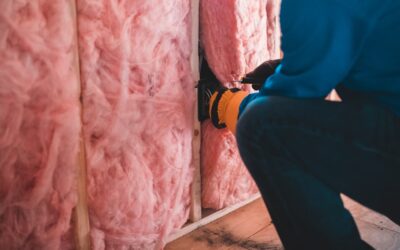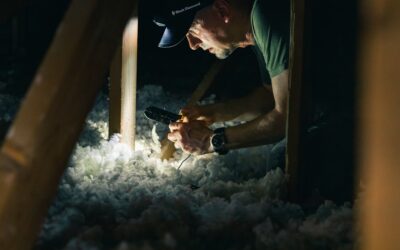
Walk into any home improvement store and you’ll face the same fork in the road: pink fiberglass batts stacked to the ceiling on one side, and pricey cans and kits of spray foam on the other. So is foam insulation better than fiberglass? The honest answer is that it depends on the space you’re insulating, your budget, and whether air sealing matters more to you than raw cost. Foam wins on performance in almost every measurable category, but fiberglass still holds its ground on price and DIY-friendliness. This guide breaks down the real numbers so you can decide with confidence.
The Quick Verdict
If you want the short version: spray foam performs better, seals air leaks, and lasts longer, but it costs two to four times as much as fiberglass. Fiberglass is cheaper, easier to install yourself, and perfectly adequate in many standard wall and attic applications. For a tight, high-efficiency home in a harsh climate, foam usually earns its premium. For a budget remodel or a mild climate, fiberglass often makes more sense.
Think of it as a spectrum rather than a winner-take-all contest. Many pros actually combine the two in a “flash and batt” system to balance cost and performance.
Comparing R-Value Per Inch
R-value measures resistance to heat flow, and it’s the number that gets quoted most often. Here’s how the common materials stack up per inch of thickness:
- Closed-cell spray foam: R-6.0 to R-7.0 per inch
- Open-cell spray foam: R-3.5 to R-3.9 per inch
- Fiberglass batts: R-2.9 to R-3.8 per inch
- Blown-in fiberglass: R-2.2 to R-2.9 per inch
Closed-cell foam is the clear leader, delivering nearly double the R-value of fiberglass in the same thickness. That matters in tight spaces like a 2×4 wall cavity or a shallow rim joist where you simply can’t fit more material. Where you have room to pile it up, though, fiberglass can reach the same total R-value for a fraction of the price.
Air Sealing: Foam’s Biggest Advantage
Here’s what R-value charts don’t tell you. Up to 40 percent of a home’s energy loss comes from air leakage, not from heat conducting through insulation. Fiberglass is a filter, not a barrier. Air moves right through it, which is why a fiberglass-only attic can still feel drafty and run up utility bills.
Spray foam expands to fill cracks, gaps, and irregular cavities, then hardens into an air barrier. Closed-cell foam also blocks moisture and vapor. This single trait is the strongest argument for foam. If you’ve ever felt cold air pouring in around an outlet or a rim joist, foam solves that in a way batts never will.
You can partially close this gap with fiberglass by caulking and using a separate air-sealing pass with canned foam around penetrations, but it takes extra labor and never quite matches the seamless result of a sprayed application.
Cost Per Square Foot
Budget is where fiberglass fights back hard. Approximate installed costs run like this:
- Fiberglass batts: $0.80 to $1.60 per square foot
- Blown-in fiberglass: $1.00 to $2.00 per square foot
- Open-cell spray foam: $1.50 to $3.50 per square foot
- Closed-cell spray foam: $2.50 to $5.50 per square foot
For a 1,000-square-foot attic, fiberglass might cost $1,200 installed while closed-cell foam could run $4,500 or more. DIY fiberglass batts drop your cost to materials only, often under $600 for the same attic. Spray foam kits exist for small jobs, but large-scale foam is really a professional product because of equipment and safety requirements.
Moisture, Mold, and Longevity
Water is the enemy of any insulation. Wet fiberglass loses most of its R-value and can stay damp long enough to invite mold on nearby wood or drywall. It doesn’t rot on its own, but it holds water like a sponge and dries slowly.
Closed-cell foam is the standout here. It resists water absorption and even adds structural rigidity to walls. In flood-prone basements or crawl spaces, that moisture resistance is a genuine advantage. Open-cell foam, by contrast, is more absorbent and generally not recommended below grade.
On lifespan, spray foam can last the life of the home, 50 years or more, without sagging or settling. Fiberglass batts can slump over decades, and blown-in fiberglass can compress, both of which reduce performance over time.
Installation and DIY Considerations
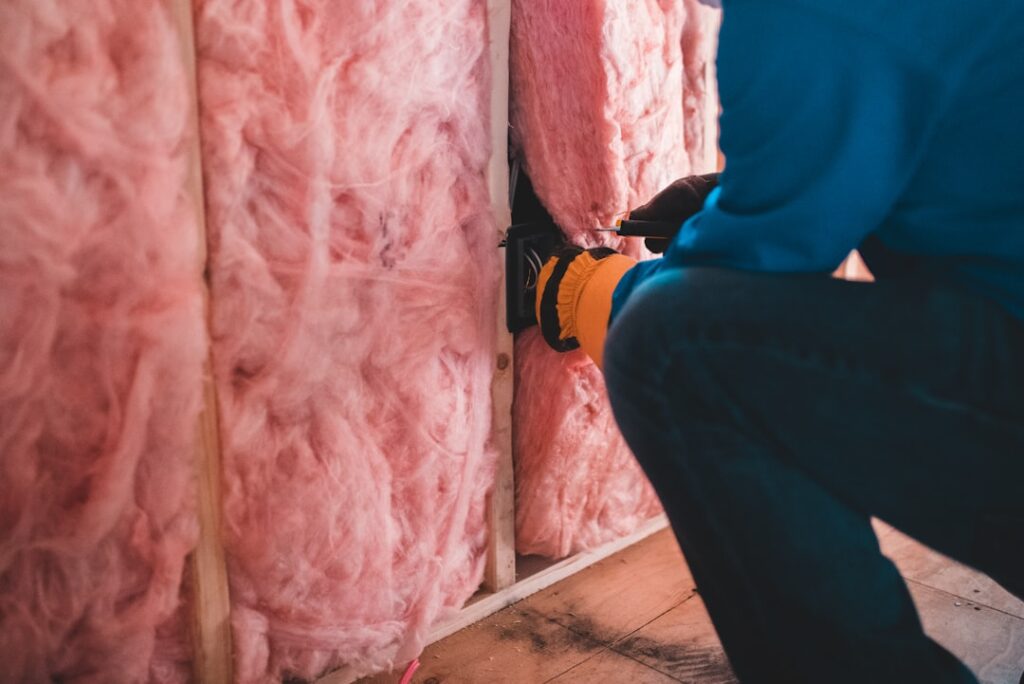
Fiberglass is the friendlier weekend project. With a utility knife, a straightedge, gloves, a respirator, and safety glasses, most homeowners can insulate a wall or attic in a day. The fibers irritate skin and lungs, so cover up, but the process is straightforward.
Spray foam is a different animal. Professional application requires specialized rigs, and the chemicals off-gas during curing, which is why the area must be vacated for 24 hours in many cases. Improperly mixed foam can cure poorly and create a lingering odor that is expensive to remediate. For anything beyond a can of gap filler, hire a licensed installer.
When to Choose Each One
Use this as a quick decision guide:
- Choose closed-cell foam for basements, crawl spaces, rim joists, and tight cavities where moisture and air sealing are priorities.
- Choose open-cell foam for interior walls and attics where you want air sealing and sound dampening without the premium price of closed-cell.
- Choose fiberglass for open attics, standard walls in mild climates, and budget-driven projects where you can add extra thickness.
- Choose a hybrid (flash and batt) to spray a thin layer of closed-cell foam for the air seal, then fill the rest with cheaper fiberglass.
Pro tip: before you insulate anything, air-seal the big leaks with canned foam and caulk. Even the best insulation underperforms when air is streaming past it.
Climate and Local Codes
Your region should steer the decision more than any marketing claim. The Department of Energy divides the country into climate zones, each with recommended R-values. A home in a cold northern zone might target R-49 to R-60 in the attic, while a mild southern zone might need only R-30 to R-38. In tight cavities where you can’t reach those numbers with fiberglass, closed-cell foam lets you hit code in less space.
Building codes also affect the choice. Many jurisdictions require a vapor barrier or an ignition and thermal barrier over foam, which adds cost. Closed-cell foam often qualifies as its own vapor retarder, simplifying assemblies in cold climates. Fiberglass batts frequently come with a kraft-paper facing that serves as the vapor retarder, but that facing must face the correct side, the warm-in-winter side, or you risk trapping moisture. Check with your local building department before committing, since an inspector can require rework if the assembly is wrong.
Sound and Comfort Beyond R-Value
Insulation does more than save energy. Both materials dampen sound, but they do it differently. Open-cell spray foam and fiberglass batts are excellent at absorbing airborne noise, making them popular in interior walls between bedrooms or around home offices. Closed-cell foam is denser and blocks sound transmission somewhat, though its bigger comfort benefit is eliminating drafts and cold spots.
Comfort is where homeowners notice foam most in daily life. A fiberglass-only wall can still let convection currents form inside the cavity, creating cold surfaces you feel even when the thermostat reads fine. Foam’s air seal keeps interior surfaces closer to room temperature, which reduces that clammy or drafty feeling. If even heating and a quiet house rank high on your list, weigh that alongside the raw energy math.
Frequently Asked Questions
Is foam insulation better than fiberglass for an attic?
For sealing air leaks and stopping heat loss, yes. But attics often have plenty of vertical room, so many homeowners get excellent results by piling blown-in fiberglass to R-49 or higher at a much lower cost. If your attic has knee walls, cathedral ceilings, or a converted living space, foam’s air seal usually wins.
Does foam insulation increase home value?
It can, especially closed-cell foam that lowers utility bills and improves comfort. Energy-efficient upgrades are attractive to buyers, though the payback on insulation is measured mostly in monthly savings rather than resale price.
How long does it take to recoup the cost of spray foam?
Depending on your climate and energy rates, expect a payback period of roughly 5 to 10 years through reduced heating and cooling bills. Colder climates with high energy costs recoup faster.
Can I put fiberglass over existing insulation?
Yes. Unfaced fiberglass batts or blown-in fiberglass can be added on top of existing insulation to boost R-value, as long as you never lay a second vapor barrier over the first, which can trap moisture.
The Bottom Line
So, is foam insulation better than fiberglass? On pure performance, air sealing, moisture resistance, and longevity, foam takes the title. On cost and DIY simplicity, fiberglass remains the practical choice for many homes. Match the material to the space and your budget, air-seal first, and you’ll get a comfortable, efficient home either way. When in doubt, get quotes for both and compare the long-term energy savings against the upfront price.