
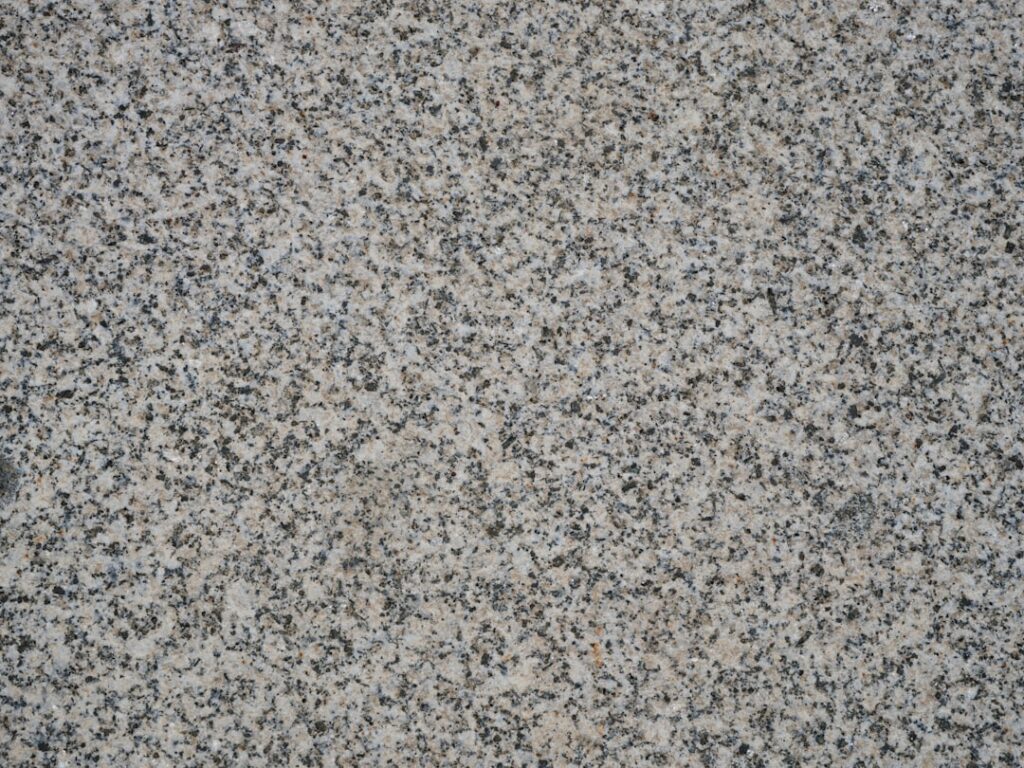
Anyone planning a kitchen renovation eventually asks the same practical question: is granite expensive, or is it more affordable than its luxury reputation suggests? The honest answer is that granite spans a wide price range, from budget-friendly to genuinely high-end, and where your project lands depends on the stone you choose and the details of your installation. This guide breaks down real cost ranges, explains what drives the price up or down, and shares practical ways to get the granite look without overspending.
Part of our Countertops guide — explore the full guide →
- The Short Answer on Granite Cost
- Real Cost Ranges Per Square Foot
- What Drives the Price of Granite?
- Granite Versus Other Countertop Materials
- Hidden and Additional Costs to Budget For
- Ways to Save on Granite
- Is Granite Worth the Cost?
- Granite Grades and What They Mean for Price
- Financing and Timing Your Purchase
- Final Thoughts
The Short Answer on Granite Cost
Granite is a mid-to-premium countertop material, but it is not as unaffordable as many people assume. Installed granite countertops typically run about $40 to $100 or more per square foot, including fabrication and installation. Entry-level, widely available granites can be surprisingly economical, sometimes competitive with quartz or high-end laminate, while rare, exotic slabs sit firmly in luxury territory. So granite can be either a reasonable upgrade or a splurge, depending entirely on which slab you fall in love with and how complex your kitchen layout is.
Real Cost Ranges Per Square Foot
Here is how granite pricing generally breaks down, installed:
- Entry-level granite: Roughly $40 to $50 per square foot for common colors and patterns that are widely quarried.
- Mid-grade granite: About $50 to $75 per square foot for more distinctive colors and better consistency.
- High-end granite: Around $75 to $100 per square foot for premium, less common stones.
- Exotic or rare slabs: $100 to $200+ per square foot for dramatic, hard-to-source stones with striking veining.
For a typical kitchen with about 40 square feet of counter space, that means a realistic total of roughly $1,600 on the low end to $4,000 or more for premium stone, with exotic projects going higher still.
What Drives the Price of Granite?
Several factors determine where your quote lands. Understanding them helps you shop smart:
- Stone rarity: Common granites are cheaper; rare colors and dramatic patterns cost more.
- Slab thickness: Three-centimeter slabs cost more than two-centimeter but are sturdier and often need no plywood backing.
- Edge profile: A simple eased edge is included; ornate ogee, bullnose, or mitered edges add labor cost.
- Cutouts and seams: Sinks, cooktops, and faucet holes each add fabrication time, and larger kitchens need more seams.
- Layout complexity: Islands, curves, and multiple levels increase both material waste and labor.
- Location and labor rates: Fabrication and install costs vary significantly by region.
Granite Versus Other Countertop Materials
Context helps answer whether granite is expensive. Laminate is the cheapest option at roughly $10 to $40 per square foot installed, but it lacks the durability and prestige of stone. Quartz overlaps heavily with granite, generally $50 to $100 per square foot installed. Marble is comparable to or pricier than granite while being less durable. Solid surface materials land in the mid range. Against this backdrop, granite is fairly priced for a natural stone that offers excellent heat resistance, durability, and lasting home value, and its entry-level tier can actually undercut mid-range quartz.
Hidden and Additional Costs to Budget For
The slab price is not the whole story. Plan for extras that can add up: removal and disposal of old countertops (often $50 to $200), plumbing disconnection and reconnection for sinks, any needed cabinet reinforcement to support the stone’s weight, sealing (sometimes included, sometimes not), and the cost of a new sink or faucet if you are upgrading. Delivery fees and template appointments may also appear on a quote. Asking for a fully itemized estimate up front prevents these smaller line items from turning into unwelcome surprises.
Ways to Save on Granite
You can enjoy granite without paying top dollar. The key is knowing which choices drive the price and which ones barely move it, then spending where it counts. Color and rarity have an outsized effect on cost, so choosing a common but attractive stone is the single biggest lever. Layout complexity, edge detailing, and the number of cutouts add up too, and these are areas where a simpler design saves real money without sacrificing durability. Consider these strategies:
- Choose common colors: Widely quarried granites cost far less than exotic slabs and still look beautiful.
- Look for remnants: For small projects like bathroom vanities or bar tops, leftover slab pieces are sold at a steep discount.
- Keep the edge simple: A standard eased or beveled edge avoids extra labor charges.
- Minimize cutouts and seams: A simpler layout reduces fabrication time.
- Compare multiple fabricators: Quotes vary widely, so get at least three.
- Buy from a stone yard directly: Sometimes cutting out the middleman lowers the material cost.
Is Granite Worth the Cost?
Consider the cost over the lifespan of the material rather than the sticker price alone. A cheaper laminate counter may need replacing in ten to fifteen years, while granite, properly sealed and cared for, can last several decades or the life of the home. Spread across that timeline, granite’s higher upfront cost often works out to a very reasonable annual expense, and unlike a surface that dates or wears out, it tends to hold its appeal. Factor in the way stone counters attract buyers and support resale value, and the math grows more favorable still.
For many homeowners, the answer is yes. Granite is heat resistant, extremely durable, and can last the lifetime of a home when properly maintained. Its natural, one-of-a-kind beauty adds visual appeal and supports resale value, since stone counters remain a sought-after feature for buyers. When you spread the cost over decades of use, granite often proves to be a sound long-term investment rather than a mere expense, especially compared with cheaper surfaces that may need replacing sooner.
Granite Grades and What They Mean for Price
Stone yards often sort granite into loose grades, and understanding them clarifies why two slabs of the same stone can cost very differently. Entry-level or commercial-grade granite tends to have simpler patterns, thinner slabs, and more common colors, keeping prices low. Mid-grade granite offers more distinctive coloring and better consistency. High-grade and exotic granite features rare colors, dramatic veining, and unusual mineral patterns that come from limited quarries, which pushes prices toward the top of the range. Grade is not strictly a measure of quality or durability, since a common granite can be just as tough as an exotic one; it mostly reflects rarity and visual drama. Knowing this lets you chase the look you love within the grade your budget allows.
Financing and Timing Your Purchase
Beyond the stone itself, when and how you buy can affect the total. Fabricators and stone yards sometimes run seasonal promotions or clear out slabs that have been sitting in inventory, so it is worth asking about current deals. Bundling your countertop with a larger kitchen remodel can occasionally yield better pricing than a standalone job. If cash flow is a concern, some fabricators and home centers offer financing, though it is wise to compare the interest cost against simply choosing a more affordable stone. Getting quotes from several fabricators not only reveals the best price but also gives you leverage, since a competitive market often means a fabricator will sharpen a quote to win your business.
Final Thoughts
So, is granite expensive? It can be, but it does not have to be. With real installed prices ranging from about $40 to well over $100 per square foot, granite offers options for both modest and lavish budgets. The stone you choose, your kitchen’s complexity, and your edge and finish details determine the final number. Shop common colors, hunt for remnants, keep your layout simple, and compare fabricators, and you can bring home the durability and timeless beauty of natural granite at a price that fits your renovation budget.


