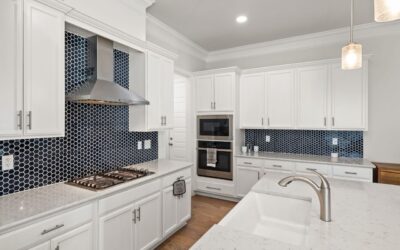
If you are asking how much do granite countertops cost, the honest answer for most kitchens is $40 to $100 per square foot installed, with the average job landing between $2,000 and $4,500. That range is wide because granite is a natural stone, and the price swings on the color you pick, the thickness of the slab, and how complicated your kitchen layout is. The homeowners who get burned are the ones who only look at the per-square-foot number on the showroom tag.
Part of our Countertops guide — explore the full guide →
Let’s break down where the money actually goes so you can budget accurately and spot an inflated quote when you see one.
The Short Answer: Average Price Ranges
Granite is sold in tiers, and the tier drives the price more than anything else. Fabricators and stone yards usually group slabs into levels 1 through 5 based on rarity, origin, and demand, not necessarily durability.
- Entry-level (Level 1): $40 to $55 per sq ft installed. Common colors like Uba Tuba, Santa Cecilia, and Ubatuba black.
- Mid-grade (Level 2-3): $55 to $75 per sq ft installed. More movement and color variety.
- Premium (Level 4-5): $75 to $100+ per sq ft installed. Exotic patterns, blues, and rare imports.
For a typical 40-square-foot kitchen countertop area, that puts most projects between $1,600 on the low end and $4,000 or more for a premium stone. Add an island and the number climbs fast.
What Drives the Price Up or Down
The slab itself is only part of the invoice. When homeowners ask how much do granite countertops cost and get surprised by the final bill, it is usually one of these line items that did it.
Edge profiles matter more than people expect. A standard eased or beveled edge is typically included, but an ogee, waterfall, or mitered edge can add $10 to $30 per linear foot. Cutouts for sinks, cooktops, and faucets often run $50 to $150 each. And if your old counters need removal and disposal, expect another $100 to $300.
Material vs. Installation Costs
A rough rule of thumb is that the raw stone accounts for 40 to 60 percent of your total, and fabrication plus installation makes up the rest. Fabrication is skilled labor: templating your kitchen, cutting the slab with wet saws and CNC machines, polishing the edges, and seaming pieces together on site.
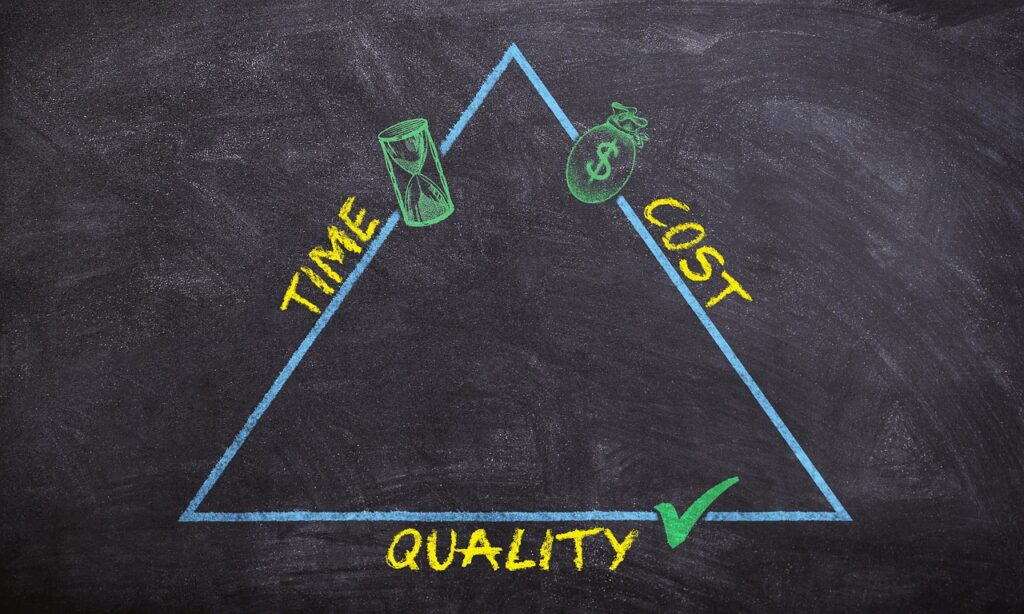
This is why the cheapest per-square-foot quote is not always the best deal. A fabricator who charges $8 per foot less on material but does sloppy seams and uneven overhangs will cost you in appearance and headaches. Ask to see completed kitchens before you sign.
Granite Tile vs. Slab Pricing
If your budget is tight, granite tile is a legitimate way to get the look for less. Granite tile counters run $8 to $20 per square foot for the material and are DIY-friendly, versus the $40-plus for slab. The tradeoff is grout lines, which collect crumbs and need sealing, and a less seamless, less premium appearance.
Modular or prefabricated granite pieces are a middle ground, sold in pre-cut sizes with a finished edge already applied. They cost less than full custom slab work but limit your color and layout options.
Hidden Costs to Budget For
Beyond the headline price, a few extras catch homeowners off guard. Plan for these so your budget holds up.
- Sealing: Most granite needs sealing on installation and roughly once a year after. A quality sealer runs $15 to $25 if you do it yourself.
- Plumbing and electrical: Disconnecting and reconnecting your sink, faucet, and any outlets may require a plumber, often $150 to $400.
- Subfloor or cabinet reinforcement: Granite is heavy, around 18 to 20 pounds per square foot. Weak cabinets may need bracing.
- Backsplash: A matching 4-inch granite backsplash adds material and labor if you want it.
How to Save Money Without Cutting Corners
You can absolutely trim a granite budget with smart choices. Pick a Level 1 or 2 color, since durability is similar across tiers and the price gap is mostly about fashion and rarity. Shop remnant yards for smaller kitchens or islands, where a leftover piece from a big job sells for a fraction of a full slab.
Keep your layout simple. Every seam, cutout, and fancy edge adds labor. A rectangular counter with an undermount sink and a standard edge is the most economical configuration. Get at least three written quotes, and make sure each specifies the stone level, edge profile, and cutout count so you are comparing the same scope.
Is Granite Still Worth It?
Even with quartz gaining ground, granite remains one of the best values in natural stone. It resists heat and scratches better than most surfaces, each slab is unique, and it reliably returns a good chunk of its cost at resale. So when you weigh how much do granite countertops cost against a laminate or butcher block alternative, factor in that granite routinely lasts 30 years or more with basic care.
For most kitchens, budget $2,500 to $4,000 for a quality installed granite counter and treat anything far below that with healthy skepticism about the fabrication quality. Spend your money on good installation, not exotic color, and you will get a countertop that looks sharp and performs for decades.
Getting Accurate Quotes
Because granite pricing has so many variables, the only reliable number comes from itemized quotes on your actual kitchen. Ask each fabricator to break out the stone level, square footage, edge profile, number of cutouts, old-counter removal, and installation as separate lines. That way a quote that looks cheaper is not simply leaving out disposal or sealing. Bring the same measurements and the same edge and sink choices to every shop so you compare identical scope.
Get at least three quotes, and be wary of any bid dramatically below the others, since it often signals a thinner slab, inferior fabrication, or hidden add-ons that appear later.
Timing Your Purchase to Save
You can shave real money off a granite job with smart timing and sourcing. Stone yards periodically discount overstocked colors, and end-of-quarter or seasonal promotions from fabricators can knock down installation costs. Remnant sections, leftover pieces from larger jobs, are ideal for a small kitchen, an island, or a bathroom vanity and often sell for a fraction of a full slab. Pairing an entry-level color with a simple layout and a standard edge is the single biggest lever for keeping the total near the low end of the range without sacrificing durability.