Tile is one of the most durable floor and wall surfaces you can install, but the bill surprises homeowners who only priced the tile itself. The full price to install tile averages $7 to $25 per square foot installed, with labor often costing as much or more than the material. A standard ceramic floor in a 200-square-foot room typically runs $2,000 to $4,000 all in. Understanding how labor, material, and prep stack up lets you budget accurately and spot an inflated quote.
Average Cost Breakdown
Total installed cost splits into a few predictable buckets.
- Tile material: $1 to $15+ per square foot depending on type.
- Labor: $5 to $14 per square foot for installation.
- Setting materials (thinset, grout, spacers): $1 to $2 per square foot.
- Underlayment or backer board: $1 to $3 per square foot.
- Demolition of old flooring: $1 to $4 per square foot if needed.
For a typical 200-square-foot project, that adds up to roughly $1,800 on the low end and $5,000 or more for premium tile with extensive prep.
Cost by Tile Type
Material choice swings the budget significantly.
Ceramic
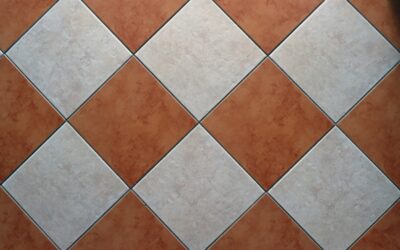
The most affordable at $1 to $5 per square foot for material. Installed, ceramic floors run $7 to $14 per square foot total. Great for budget-conscious bathrooms and laundry rooms.
Porcelain
Denser and more water-resistant at $3 to $10 per square foot. Installed cost lands around $10 to $18. It is harder to cut, which can nudge labor up slightly.
Natural Stone
Marble, travertine, and slate cost $5 to $30+ per square foot for material and demand skilled labor plus sealing, pushing installed totals to $15 to $40 per square foot.
Mosaic and Glass
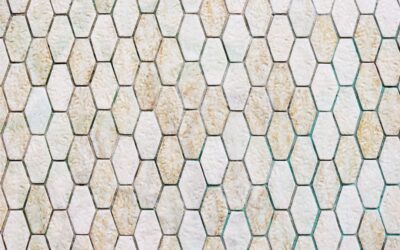
Small-format and glass tile installs slowest, so labor climbs to $12 to $25 per square foot on top of premium material costs.
What Drives Labor Costs Up
Two identical-size rooms can carry very different labor bills. Intricate patterns like herringbone, chevron, or diagonal layouts add 15 to 30 percent in labor because of extra cutting and waste. Small tiles and mosaics take far longer per square foot than large-format pieces.
Other factors that raise the price include uneven subfloors that need leveling, lots of cuts around toilets, vanities, and outlets, and natural stone that must be sealed. Wall and backsplash tile generally costs more per square foot than floor tile because of the vertical, detailed work.
Prep Work and Hidden Costs
The surface under the tile matters as much as the tile. Budget for these often-overlooked items.
- Subfloor leveling: $1 to $5 per square foot if the floor is out of flat.
- Cement backer board for wet areas and most floor installs.
- Waterproof membrane in showers, $1 to $3 per square foot.
- Old flooring removal and disposal.
- Transition strips and trim pieces at doorways.
Skipping prep is the fastest route to cracked tile and failed grout, so it is rarely worth cutting.
DIY Versus Hiring a Pro
Installing tile yourself eliminates the labor portion, potentially cutting the project cost in half. A confident DIYer can floor a small bathroom for $400 to $900 in materials and tool rental. But tile is unforgiving: a poorly mixed thinset, uneven lippage, or bad waterproofing shows immediately and is expensive to redo.
For showers, large rooms, and natural stone, hiring an experienced installer is usually worth it. Get at least three itemized bids, confirm the quote separates labor from materials, and ask whether prep and demolition are included before you sign.
Getting Accurate Quotes
The single best way to control tile installation cost is to gather detailed, comparable bids. Ask each contractor for an itemized quote that separates material, labor, prep, and demolition so you can compare apples to apples. A suspiciously low bid often hides skipped prep steps that come back to haunt you, while the highest bid is not automatically the best work.
When you walk a contractor through the job, point out anything that affects the price: an uneven floor, a pattern you want, transitions to other flooring, and whether you need old material removed. Confirm whether the quote includes setting materials, grout, and sealing, and ask how waste is calculated. A clear, written scope protects both you and the installer from mid-project change orders that inflate the final bill.
Cost by Room and Project Type
Where you tile changes the math because each space has different prep and detail requirements.
- Bathroom floor (40 sq ft): $700 to $2,000, with extra cuts around the toilet and vanity.
- Kitchen floor (200 sq ft): $2,000 to $5,000 depending on tile and layout.
- Shower surround: $1,500 to $4,500, since walls, waterproofing, and niches add labor.
- Backsplash (30 sq ft): $600 to $1,500, with small or mosaic tile pushing the top end.
- Whole-floor living area (500 sq ft): $5,000 to $12,000 for mid-range porcelain.
Wet areas always cost more per square foot than dry floors because of waterproofing membranes and the precision detail work around fixtures and drains.
How to Save Money Without Cutting Corners
There are smart ways to trim the bill and risky ways that backfire. To save safely, choose a larger-format tile that installs faster, stick with a straight or grid layout instead of a labor-intensive diagonal or herringbone pattern, and handle the demolition of old flooring yourself before the installer arrives.
Buying tile during a clearance or end-of-line sale can cut material costs by 30 to 50 percent, just make sure you purchase enough from one dye lot. What you should never skimp on is subfloor prep, backer board, and waterproofing. Cutting those corners leads to cracked tile and failed grout within a year or two, which costs far more to fix than it saved.
Budgeting Your Project
As a planning rule, multiply your square footage by $12 to $15 for a realistic mid-range estimate on ceramic or porcelain floors, then add 10 to 15 percent for waste and contingencies. Always order extra tile from the same lot to cover cuts and future repairs. Keep a few spare tiles after the job, because matching a discontinued tile years later is nearly impossible.
With a clear breakdown of material, labor, and prep, the price to install tile becomes predictable instead of a moving target. Get itemized quotes that separate labor from materials, confirm whether demolition and prep are included, and you will know exactly where your money is going before the first tile is set.
Prefer to explore on your own?
See how new flooring looks in your actual room in seconds — free, no signup.
Try the free Floor Studio →