
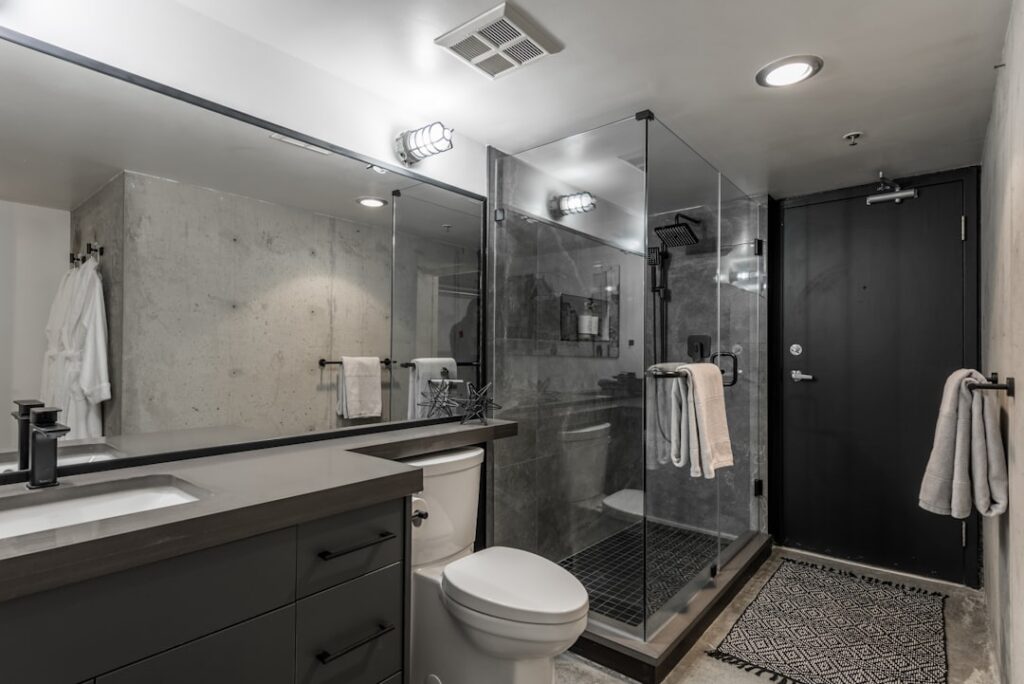
Swapping a cramped tub-shower combo for an open, curbless walk-in is one of the most requested bathroom upgrades in the country, and the first question everyone asks is about the price. So, how much is a walk in shower? The honest answer is that it ranges widely, from around $3,000 for a simple prefab kit to $15,000 or more for a large custom-tiled build. This guide breaks down exactly what drives that spread so you can budget for the shower you actually want.
Part of our Bathroom Remodeling & Flooring guide — explore the full guide →
- The Short Answer: Average Cost Ranges
- What Drives the Price
- Prefab vs. Custom: The Real Trade-Off
- Line-Item Cost Estimates
- Hidden Costs to Budget For
- How to Save Without Cutting Corners
- Cost by Shower Size
- How Long Does Installation Take?
- DIY vs. Hiring a Pro
- Curbed vs. Curbless: The Cost Impact
- Is It Worth the Investment?
The Short Answer: Average Cost Ranges
For most homeowners, a walk-in shower falls into one of three tiers:
- Budget / prefab: $3,000 to $6,000 — a pre-made acrylic or fiberglass unit with a glass panel, professionally installed.
- Mid-range / semi-custom: $6,000 to $10,000 — tiled walls, a tiled or solid-surface base, a frameless glass door, and upgraded fixtures.
- High-end / fully custom: $10,000 to $20,000+ — large curbless design, floor-to-ceiling tile, a bench, niches, body sprays, and premium frameless glass.
The national average for a mid-range walk-in shower lands right around $7,500 installed. Where you fall depends mostly on size, materials, and how much plumbing has to move.
What Drives the Price
Five factors do most of the work in setting your final number. Understanding them helps you spend where it counts.
1. Size and Layout
A standard 36-by-36-inch shower costs far less than a spacious 60-by-42-inch spa layout. Larger footprints mean more tile, more waterproofing, and often a larger glass enclosure, which is one of the priciest single components. A curbless design that sits flush with the bathroom floor also costs more because it requires reworking the subfloor for drainage.
2. Materials
Material choice can double your budget. Acrylic and fiberglass surrounds are the most affordable and easiest to clean. Porcelain and ceramic tile sit in the middle. Natural stone, large-format porcelain slabs, and glass mosaics live at the top. The shower base follows the same logic, from a $200 acrylic pan to a $1,500 custom-tiled and waterproofed base.
3. Glass Enclosure
Glass is where budgets quietly balloon. A single fixed glass panel might run $500 to $900, while a frameless enclosure with a swinging door can cost $1,000 to $3,500 depending on the glass thickness and hardware finish. Frameless looks cleaner but costs roughly double framed glass.
4. Plumbing Changes
If the new shower keeps the existing drain and valve locations, you save significantly. Moving the drain, relocating the valve, or adding body sprays and a rain head means opening walls and floors and adding $1,000 to $3,000 in plumbing labor.
5. Labor
Labor typically accounts for 40 to 60 percent of the total. Tile setting is skilled, time-consuming work, and a fully tiled custom shower can take a pro three to five days. Prefab units install far faster, which is a big reason they cost less overall.
Prefab vs. Custom: The Real Trade-Off
A prefab shower kit is a molded acrylic or fiberglass unit that arrives ready to set in place. It is waterproof out of the box, fast to install, and easy to clean, with no grout lines. The downside is limited sizes, fewer design options, and a look that reads more utilitarian.
A custom tiled shower is built on site to any dimension, with your choice of tile, niches, benches, and layout. It adds the most resale value and looks fully bespoke, but it costs more, takes longer, and depends heavily on the installer’s waterproofing skill. If your budget is tight, a prefab base with tiled walls is a smart hybrid that splits the difference.
Line-Item Cost Estimates
Here is roughly what individual pieces cost when installed as part of a project:
- Shower pan or base: $200 to $1,500
- Waterproofing membrane: $300 to $800
- Wall tile and installation: $1,500 to $5,000
- Frameless glass enclosure: $1,000 to $3,500
- Shower valve and trim: $200 to $700
- Rain head or body sprays: $300 to $1,200
- Built-in bench: $150 to $600
- Recessed niche: $150 to $400
Hidden Costs to Budget For
Several expenses catch homeowners off guard. Removing an old tub and hauling debris adds $300 to $800. If demolition uncovers water damage, mold, or rotted subfloor, repairs can add $500 to $2,500. Permits, required in many jurisdictions for plumbing changes, run $100 to $500. And upgrading an old exhaust fan or adding an accessible grab bar are small line items that add up. Set aside 10 to 15 percent of your budget as a contingency.
How to Save Without Cutting Corners
You can trim the total without ending up with a shower you dislike:
- Keep the existing drain and valve locations to avoid plumbing relocation costs.
- Choose large-format porcelain tile, which covers area faster and has fewer grout lines to maintain.
- Use a fixed glass panel or a “walk-in” open design instead of a full frameless enclosure with a door.
- Splurge on one focal element, a niche or accent stripe, and keep the rest simple.
- Get at least three itemized bids and compare the waterproofing methods, not just the bottom line.
Cost by Shower Size
Size drives price more than almost any other factor, so it helps to see typical installed costs by footprint. These ranges assume a mid-range tiled build with a glass panel:
- 32 x 32 in (small): $4,000 to $7,000 — efficient and budget-friendly, ideal for compact bathrooms.
- 36 x 36 in (standard): $5,000 to $8,500 — the most common residential size.
- 48 x 36 in (comfortable): $6,500 to $11,000 — room to move without feeling cramped.
- 60 x 42 in (large / spa): $9,000 to $16,000+ — space for a bench, double heads, and a curbless design.
Remember that a larger footprint multiplies costs across tile, waterproofing, and glass all at once, which is why the top end climbs so quickly.
How Long Does Installation Take?
Timeline affects both cost and your daily routine, so plan for the disruption. A prefab unit swap, keeping existing plumbing, can be done in two to three days. A custom tiled shower typically takes five to ten working days, because each stage, demolition, plumbing rough-in, waterproofing, tile setting, grout curing, and glass installation, must happen in sequence with drying time between. Glass enclosures are usually measured and ordered only after the tile is set, adding one to two weeks of lead time for fabrication. Build that glass wait into your expectations so you are not surprised when the tile is done but the shower is not yet usable.
DIY vs. Hiring a Pro
A confident DIYer can install a prefab shower kit and save on labor, potentially cutting the total by 40 to 50 percent. But a fully tiled walk-in shower is one of the least forgiving DIY projects, because a single flaw in the waterproofing membrane leads to hidden leaks, rot, and mold that cost thousands to repair. The waterproofing and the shower pan slope are the two areas where amateur mistakes are most common and most expensive. If you tackle any part yourself, consider doing the demolition and finish work while leaving the waterproofing and plumbing to a licensed pro.
Curbed vs. Curbless: The Cost Impact
One decision that quietly moves the price is whether your walk-in shower has a curb or is fully curbless. A curbed shower has a small threshold that contains the water, and it is simpler and cheaper to build because the drainage stays within the shower footprint. A curbless shower sits flush with the bathroom floor, which looks sleek, improves accessibility, and is easier to clean, but it requires the installer to recess and slope the subfloor toward a linear drain. That extra structural work typically adds $500 to $2,000 to the project. If accessibility and a seamless modern look matter to you, the curbless premium is worth it; if budget is the priority, a low-profile curb saves money without sacrificing the open feel.
Is It Worth the Investment?
A well-built walk-in shower is one of the higher-return bathroom projects, recouping a good share of its cost at resale and appealing strongly to aging-in-place buyers who value curbless, accessible design. Beyond resale, the daily experience of an open, easy-to-clean shower is a genuine quality-of-life upgrade.
So when you ask how much is a walk in shower, remember the range reflects real choices you control. Decide on size, pick your material tier, keep the plumbing where it is if you can, and you can land a beautiful, durable walk-in shower that fits your budget and your bathroom.


