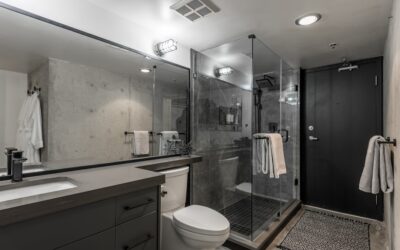
A curbless, glass-walled walk-in shower has become one of the most requested bathroom upgrades in America, and for good reason: it looks modern, feels spacious, and makes a home more accessible as owners age in place. But the walk in shower cost can swing wildly depending on size, materials, and whether you are swapping out a tub or building from scratch. Understanding where the money goes helps you set a realistic budget and avoid nasty surprises once demolition begins.
Part of our Bathroom Remodeling & Flooring guide — explore the full guide →
On average, homeowners spend between $4,000 and $12,000 for a complete walk-in shower, with most projects landing around $7,000. Budget prefab installations can come in under $3,000, while fully custom tiled showers with premium fixtures can exceed $15,000. Here is exactly what drives those numbers.
- Average Walk-in Shower Cost by Type
- How Size Affects Price
- Materials and Their Cost Impact
- Labor Costs and the Trades Involved
- Tub-to-Shower Conversion Costs
- Extra Features That Add Up
- Ways to Save Without Cutting Corners
- DIY Versus Hiring a Pro
- Regional and Timing Factors
- How a Walk-in Shower Affects Home Value
- Setting Your Budget
Average Walk-in Shower Cost by Type
The single biggest cost factor is whether you choose a prefabricated unit or a custom-built tile shower:
- Prefab acrylic or fiberglass kit: $1,200 to $3,500 installed. These arrive as molded panels and a base, install quickly, and clean easily. The tradeoff is limited size and design options.
- Semi-custom with tile walls and a prefab base: $3,500 to $7,000. A popular middle ground that gives you a tiled look without the labor of a fully waterproofed pan.
- Fully custom tiled shower: $7,000 to $15,000+. Every element is built on site: waterproofing membrane, mortar pan, tile, niche, bench, and glass. This is where design freedom and cost both peak.
- Curbless (zero-threshold) shower: add $1,000 to $4,000. Removing the curb requires recessing the floor and precise sloping, which raises labor.
How Size Affects Price
Showers are priced heavily by square footage because tile, waterproofing, and labor all scale with area. A compact 32-by-32-inch shower needs far less material than a spacious 60-by-42-inch spa layout. As a rough guide, tiled shower work runs $25 to $50 per square foot for materials and $30 to $60 per square foot for labor. Doubling the footprint roughly doubles those line items, and larger showers may also require a second drain or a linear drain, which adds cost.
Materials and Their Cost Impact
Material choices create enormous price spread. Here is how common options compare:
- Ceramic tile: $1 to $8 per square foot, the budget-friendly workhorse.
- Porcelain tile: $3 to $12 per square foot, denser and more water-resistant than ceramic.
- Natural stone (marble, travertine, slate): $7 to $25 per square foot, luxurious but requires sealing.
- Large-format porcelain slabs: $15 to $40 per square foot, with fewer grout lines and a cleaner, more continuous look.
- Solid surface or cultured marble panels: $500 to $2,500 for a full surround, low-maintenance alternative to tile.
Glass enclosures are their own category. A basic sliding glass door runs $400 to $900, while a frameless custom glass panel with hardware can cost $1,000 to $3,500. Many curbless designs skip the door entirely with a walk-in “wet room” layout, saving that expense.
Labor Costs and the Trades Involved
Labor typically accounts for 40 to 65 percent of the total. A walk-in shower touches several trades: a plumber to move or set the drain and valve, a tile setter or general contractor for the surround, and sometimes an electrician if you add lighting or a heated floor. Plumbers charge $75 to $150 per hour, and relocating a drain (often necessary when converting from a tub) can add $500 to $1,500 on its own.
Tile labor is the other big driver. Intricate patterns, mosaics, niches, and benches all add hours. A simple straight-lay subway tile install is far cheaper than a herringbone accent wall with a decorative border.
Tub-to-Shower Conversion Costs
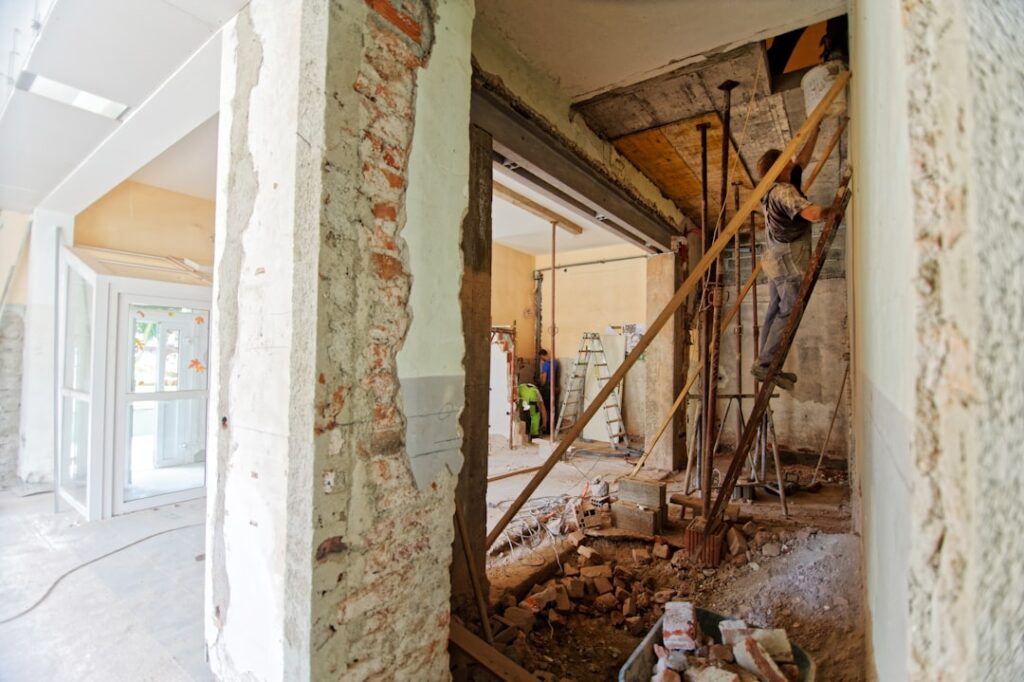
Many walk-in shower projects begin as tub removals. Converting a standard alcove tub to a walk-in shower generally costs $3,000 to $8,000. The tub demolition itself is relatively cheap, but you often discover the drain needs to move, the valve needs updating, and the wall framing behind the old tub surround has water damage. Building in a buffer for hidden repairs is wise: roughly 10 to 20 percent of your budget.
Extra Features That Add Up
The base shower is just the start. These popular upgrades each carry their own price tag:
- Built-in bench or seat: $150 to $800.
- Recessed shampoo niche: $150 to $500.
- Rainfall showerhead and thermostatic valve: $300 to $1,200.
- Body sprays or a handheld wand: $200 to $700.
- Heated tile floor: $500 to $1,500.
- Grab bars for accessibility: $100 to $300 installed.
- Linear drain instead of center drain: $200 to $600 upgrade.
Ways to Save Without Cutting Corners
You do not have to spend a fortune to get a great result. Keeping the drain and plumbing in their existing locations avoids the single most expensive change. Choosing porcelain tile over natural stone gives a high-end look with less maintenance and cost. A prefab shower base topped with tiled walls delivers a custom appearance while sidestepping the labor of a hand-built mortar pan. And limiting decorative accent tile to a single feature strip keeps material and labor in check.
On the flip side, avoid the temptation to skimp on waterproofing. A properly installed membrane, whether sheet or liquid-applied, is what prevents mold and rot behind the walls. Cutting that corner can cost you tens of thousands in water damage later, so it is the last place to save money.
DIY Versus Hiring a Pro
A handy homeowner can install a prefab acrylic kit over a weekend and save $1,000 to $2,000 in labor. However, custom tiled showers demand real skill in waterproofing and slope, and mistakes are hidden until they leak. Most people should hire a professional for anything involving a mortar pan or curbless design. If you do DIY, invest in a quality waterproofing system and follow the manufacturer’s instructions to the letter.
Regional and Timing Factors
Where you live has a real effect on the walk in shower cost. Labor rates in major metro areas on the coasts can run 30 to 50 percent higher than in the rural Midwest or South, and permit fees vary widely by municipality. Bathroom remodels almost always require a plumbing permit, and if you move a drain or add electrical, expect additional permit and inspection costs of $100 to $500. Timing matters as well; contractors are busiest in spring and summer, so scheduling a project in the slower late-fall or winter months can sometimes earn you a better rate and faster start.
The age and condition of your home also drive cost. In older houses, opening a wall often reveals outdated galvanized plumbing, inadequate framing, or a subfloor that has to be reinforced to carry a heavy tile installation. These are not optional upgrades once discovered, which is why an experienced contractor builds a contingency into the bid.
How a Walk-in Shower Affects Home Value
A well-designed walk-in shower is one of the better returns among bathroom upgrades. Buyers increasingly prefer a large walk-in shower over a rarely-used tub, especially in primary bathrooms. That said, removing the only tub in a home can hurt resale, since families with young children often want at least one bathtub. The smart move is to keep a tub somewhere in the house while converting a secondary or primary bath to a walk-in shower. A mid-range shower that costs $5,000 to $8,000 typically recoups a meaningful share of its cost at resale and, just as importantly, makes the home easier to sell.
Setting Your Budget
Before you shop, decide which tier fits your goals and your home’s value. In a modest home, a $4,000 semi-custom shower may be the sweet spot for resale, while a high-end primary bath can justify a $12,000 custom build. Get at least three itemized bids, confirm they include waterproofing and cleanup, and always keep a contingency fund. A clear-eyed view of the walk in shower cost lets you invest confidently in a space you will use every single day for years to come.