Anyone who has brushed bare-armed against attic batts and itched for a day has wondered what that material is actually doing to them. So is insulation toxic? The honest answer is: it depends almost entirely on which insulation, in what condition, and whether it is sitting quietly behind drywall or being cut, blown, and disturbed. Modern products installed correctly pose little risk to occupants — the real hazards concentrate in the installation phase and in a handful of legacy materials, one of which (vermiculite from the Libby mine) genuinely belongs in the dangerous category. Here is a material-by-material safety breakdown, what the science actually says, and the precautions that matter when you handle any of it.
- Fiberglass: Irritating, Not Carcinogenic
- Spray Foam: The One With a Real Chemical Window
- Cellulose: Benign Fiber, Mind the Dust and Borates
- Mineral Wool, Cotton, and the Rest of the Modern Field
- The Legacy Hazards: Vermiculite and Asbestos-Era Products
- Sensible Precautions for Any Insulation Work
- When to Handle It Yourself and When to Call a Pro
- The Bottom Line
Fiberglass: Irritating, Not Carcinogenic
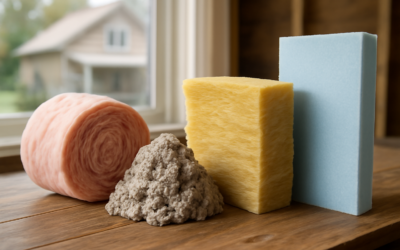
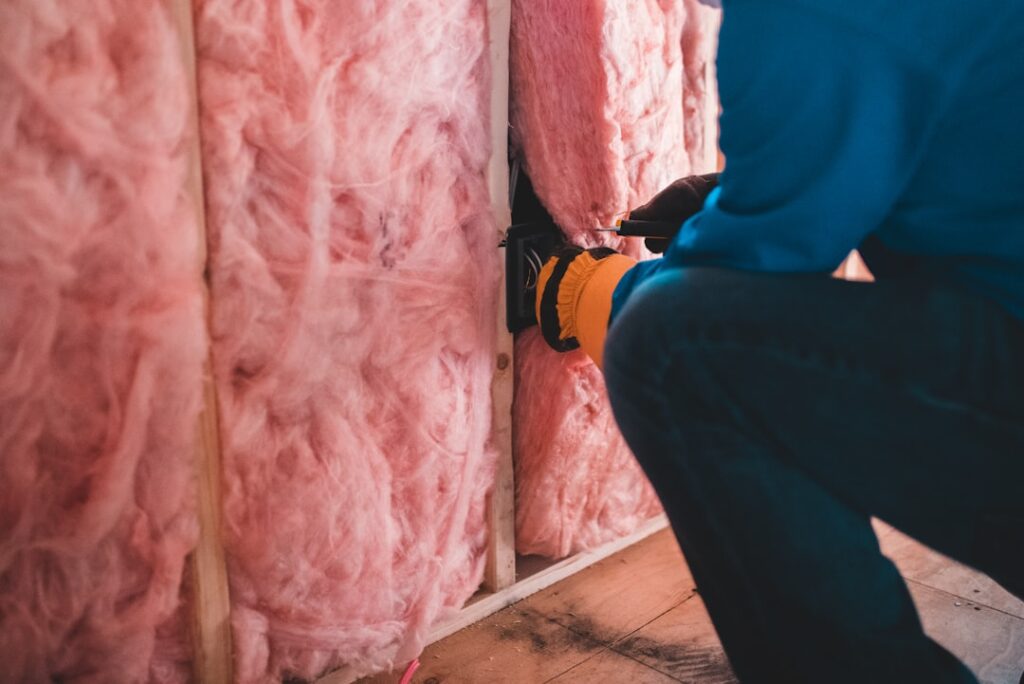
Fiberglass — the pink, yellow, or white batts in most American walls — is spun glass, and its fibers mechanically irritate skin, eyes, and airways. That itch is real but temporary. On the cancer question, the science has moved decisively: in 2001 the International Agency for Research on Cancer downgraded glass wool to Group 3, “not classifiable as to carcinogenicity in humans,” after large worker studies showed no consistent elevation in lung disease, and modern biosoluble formulations dissolve in lung fluid within weeks rather than persisting. Two residual cautions are worth taking seriously. Older batts (roughly pre-1990s) used phenol-formaldehyde binders that can off-gas slightly, though emissions from aged product are minimal, and many current lines — Owens Corning EcoTouch, Knauf EcoBatt — use formaldehyde-free binders anyway. And regardless of chemistry, you do not want any durable fiber in your lungs: wear an N95, long sleeves, gloves, and eye protection when cutting or pulling batts, and shower afterward rather than rubbing fibers deeper.
Spray Foam: The One With a Real Chemical Window
Two-part spray polyurethane foam is the material with a genuine acute-exposure issue. The A-side component contains isocyanates (MDI), potent respiratory sensitizers — a fraction of exposed workers develop lifelong occupational asthma, which is why applicators wear supplied-air respirators, not cartridge masks. For homeowners the rule is simple and non-negotiable: vacate the house during spraying and for the re-occupancy period the installer specifies, typically 24 to 72 hours with active ventilation, while the foam finishes curing. Fully cured foam is inert for practical purposes, and problems after cure are rare and almost always trace to bad installation — off-ratio mixing or spraying into cold, damp cavities, which can leave the foam soft, smelly, and permanently off-gassing. If a foam job smells fishy or ammonia-like weeks later, that is a defect claim, not a normal phase. Vet installers by certification (SPFA), ask their ratio-logging practice, and never accept “you can stay home during the spray.”
Cellulose: Benign Fiber, Mind the Dust and Borates
Blown cellulose is shredded newspaper treated with borate (and sometimes ammonium sulfate) fire retardants. Toxicologically it is one of the mildest options — paper fiber is not a recognized carcinogen, and borates have low acute toxicity to humans, though the dust cloud during blowing is intense and warrants an N95 and goggles. The practical issues are physical rather than chemical: cellulose holds water if a roof or plumbing leak wets it, and soaked cellulose compresses, loses R-value, and can feed mold on surrounding wood — the mold, not the insulation, becomes the health problem. Older installs using ammonium sulfate retardant can smell ammonia-like when damp. Keep it dry and cellulose is about as close to nontoxic as building materials get.
Mineral Wool, Cotton, and the Rest of the Modern Field
Rock and slag wool (Rockwool/Thermafiber) sits in the same IARC Group 3 category as fiberglass, with the same itch-and-N95 story and biosoluble modern fibers. Denim/cotton batts (UltraTouch) are borate-treated recycled fiber, comfortable to handle and popular with chemically sensitive clients. Rigid foam boards — EPS, XPS, polyiso — are stable and inert in place; their concerns are environmental (blowing agents) and fire behavior, since burning foam releases toxic smoke, which is why codes require a 15-minute thermal barrier like 1/2-inch drywall over foam in living spaces. Radiant barriers and foil products are essentially aluminum and pose no chemical issue. Across the whole modern field, the pattern repeats: installed and covered, risk to occupants is minimal; being disturbed, every one of them wants respiratory protection.
The Legacy Hazards: Vermiculite and Asbestos-Era Products
Here the answer to “is insulation toxic” becomes an unqualified yes. Vermiculite attic fill sold as Zonolite — poured, pebble-like, gray-brown granules found in an estimated 1 million-plus US attics — largely came from the Libby, Montana mine, which was contaminated with amphibole asbestos. Asbestos causes mesothelioma, lung cancer, and asbestosis, with no established safe exposure level. If your attic (mostly homes insulated 1940s-1980s) has loose granular fill, do not sweep it, do not store boxes in it, do not let cable installers crawl through it. Leave it undisturbed, and before any renovation, bring in a licensed asbestos inspector; abatement runs $4,000 to $15,000 for a typical attic, and the EPA-funded Zonolite Attic Insulation Trust reimburses 55 percent of costs up to a cap for qualifying homes. Asbestos also appears as pipe-wrap lagging, block insulation on old boilers, and some vermiculite-containing plasters — same rule: test before touching anything in a pre-1985 mechanical room.
Sensible Precautions for Any Insulation Work
- Respirator: N95 minimum for fiberglass, mineral wool, and cellulose dust; P100 for demolition of unknown old material; supplied air (professionals only) for spray foam application.
- Skin and eyes: Long sleeves, gloves, and sealed goggles; wash exposed skin with cold water first — hot water opens pores and worsens fiber itch.
- Containment: Bag old insulation at the point of removal; do not carry loose armfuls through the house.
- Ventilation: Run a box fan exhausting out a window during attic work, and keep HVAC returns sealed off in the work zone.
- Testing: Any granular attic fill, crumbly pipe wrap, or pre-1985 mystery material gets a $50 to $150 lab test before disturbance.
When to Handle It Yourself and When to Call a Pro
Drawing the DIY line is straightforward once the materials are identified. Homeowners can safely pull and replace fiberglass or mineral wool batts, top up blown cellulose with a rented machine, and cut rigid foam board, provided the N95-gloves-goggles routine is followed and the material is bagged as it comes out. Three situations should always go to professionals. Suspected asbestos or Libby vermiculite is the obvious one — even the inspection sampling should be done by a licensed asbestos professional, since a bad sampling job aerosolizes exactly the fibers you are worried about. Two-part spray foam application is the second; the DIY froth-pak kits sold at home centers are legal but expose an unprotected user to the same isocyanates professionals treat with supplied air, and a respirator cartridge is not adequate protection in an enclosed attic. The third is any insulation contaminated by rodents, bats, or birds — droppings carry histoplasmosis and hantavirus risks that turn a simple pull-out into a hazmat cleanup with sealed suits and HEPA equipment, typically $2 to $8 per square foot professionally.
Cost-wise, professional removal of ordinary old insulation runs $1 to $2 per square foot, and many insulation contractors bundle removal with air sealing and new material at a meaningful discount. Given that a typical attic re-insulation returns its cost in energy savings within 3 to 7 years, paying a crew to deal with the nasty half of the job rarely changes the math much.
The Bottom Line
Modern insulation, installed correctly and left in place, is not meaningfully toxic to the people living around it — fiberglass and mineral wool carry an irritation problem rather than a cancer one, cellulose is chemically mild, and cured spray foam is inert even though its installation window demands real respect. The genuine dangers are concentrated and identifiable: isocyanate exposure during foam application, botched foam cures, and above all asbestos-contaminated vermiculite and other pre-1985 legacy products, which warrant professional testing and abatement rather than DIY courage. Treat every insulation project as a dust-protection project, treat every old attic as unknown until tested, and the material keeping your energy bills down will never be the thing that harms you.