Walk into any hardware store and ask for “linoleum” and 8 out of 10 salespeople will point you to the sheet vinyl aisle. The terms have been used interchangeably for so long that most homeowners genuinely believe they describe the same product. Is linoleum the same as vinyl? Categorically no. Linoleum is a 160-year-old natural material made from linseed oil, pine rosin, cork dust, wood flour, and limestone on a jute backing. Vinyl is a petroleum-based PVC plastic. They look similar from across a room and they cost roughly the same, but they perform completely differently and last different amounts of time.
What Linoleum Actually Is
Linoleum was invented by Frederick Walton in 1860 by oxidizing linseed oil into a stable solid. Modern manufacturers like Forbo Marmoleum and Armstrong Marmorette press oxidized linseed oil, pine rosin, wood flour, cork dust, mineral pigments, and ground limestone onto a jute (burlap) backing. The result is an entirely natural product with pigment that runs through the full thickness, typically 2 to 2.5 mm.
Marmoleum carries a FloorScore certification, contributes to LEED credits, and qualifies as bio-based content under USDA BioPreferred. The material is biodegradable at end of life. Real linoleum costs $4.50 to $7.50 per square foot for material and $2.50 to $4.50 per square foot for installation, with a 25 to 40-year service life.
What Vinyl Actually Is
Vinyl flooring is polyvinyl chloride (PVC) sheet or plank with a printed design layer protected by a clear wear layer measured in mils. Luxury vinyl plank (LVP) and luxury vinyl tile (LVT) from brands like COREtec, Karndean, Mohawk RevWood, and Shaw Floorte typically use 12 to 30-mil wear layers. Sheet vinyl, the closest competitor to linoleum visually, costs $1.50 to $4.50 per square foot installed and lasts 10 to 20 years.
The pattern in vinyl is printed on a thin layer near the surface, then sealed under the wear layer. Once the wear layer is gone, the floor shows the gray fiberglass core or printing substrate.
Visual and Tactile Differences
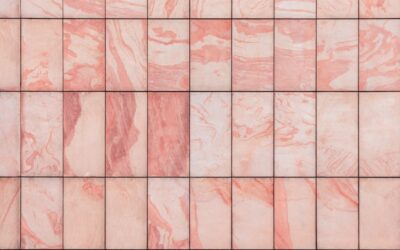
Real linoleum feels warmer underfoot than vinyl because of the cork content. The surface has a subtle organic texture that vinyl printers struggle to replicate. Linoleum patterns are typically marbled, swirled, or solid colors rather than the wood and stone reproductions that dominate vinyl. The pattern in linoleum extends through the entire thickness, so minor scuffs are invisible.
Vinyl excels at photorealistic wood, stone, and tile reproductions because the design is printed digitally. From 6 feet away, premium LVP at 30-mil wear layer can pass for real oak hardwood until you tap it and hear the hollow sound.
Water Resistance: The Critical Distinction
Vinyl wins decisively on water resistance. PVC is fully waterproof on both sides, which is why LVP and SPC are now standard in kitchens, bathrooms, and basements. Linoleum is water-resistant on the surface but the jute backing absorbs moisture and rots if subjected to standing water or vapor drive from below. For below-grade basements, slabs with high moisture readings above 5 lbs/1000 sq ft per ASTM F1869, or any room with frequent flooding risk, vinyl is the correct choice.
Linoleum still works for kitchens with normal splashes and even bathrooms with good ventilation, but the seams need professional heat-welding for full waterproofing, which adds $3 to $5 per linear foot to installation cost.
Durability and Lifespan
Linoleum lasts 25 to 40 years with proper sealing and recoating every 3 to 5 years using Forbo’s MCT polish or a comparable acrylic finish. Some commercial linoleum installations from the 1950s and 1960s remain in service today after seven decades of buffing and recoating. Vinyl typically lasts 10 to 25 years depending on wear layer, with mid-tier LVP at 20-mil wearing through to the print layer in 12 to 15 years of heavy traffic.
Both materials resist dents better than hardwood. Both can be punctured by heavy point loads like piano legs without felt protectors.
Health and Indoor Air Quality
Linoleum naturally inhibits bacterial growth because of trace antimicrobial properties in linseed oil. Forbo Marmoleum carries Asthma and Allergy Friendly certification from the Asthma and Allergy Foundation of America. Off-gassing is minimal because the binders are natural rather than synthetic.
Vinyl off-gasses VOCs initially, though FloorScore certified products meet strict California Section 01350 indoor air quality standards. Phthalate-free vinyl from major brands like COREtec and Shaw addresses historic concerns about plasticizer chemistry. Both materials are safer than poorly-installed laminate or older vinyl with phthalates, but linoleum has the edge on green-building credentials.
Installation Methods
Sheet linoleum requires a glue-down installation by a skilled installer who can heat-weld seams. The product comes in 6.5-foot-wide rolls and demands relative humidity and temperature acclimation for 24 to 48 hours before install. DIY installation is technically possible but not recommended; bad seams telegraph through the finish forever.
Vinyl offers more installation flexibility. Click-lock LVP installs over most existing floors as a floating system in a single afternoon for an average kitchen. Sheet vinyl can be loose-laid or glued down. SPC (stone polymer composite) and WPC (wood plastic composite) hybrid vinyl floors lock together rigidly enough to span minor subfloor imperfections.
Cost Comparison Per Square Foot
Mid-grade Marmoleum sheet, installed: $7 to $11 per square foot total. Marmoleum Click tile, DIY: $5 to $7 per square foot material. Mid-grade LVP, installed: $4 to $8 per square foot. Premium LVP like Karndean Knight Tile or COREtec Plus, installed: $8 to $12 per square foot. Sheet vinyl, installed: $2.50 to $5 per square foot.
Over a 20-year horizon, linoleum costs more upfront but stretches the same dollars further per year of service. Vinyl wins on year-one budget but typically requires replacement once during the same period.
When to Choose Each
Choose linoleum for commercial-style aesthetics, period-correct mid-century homes, kitchens with classic colorful palettes, schools, healthcare environments, and any project prioritizing natural materials and longevity. Choose vinyl for basements, bathrooms with high moisture exposure, rental properties, families with kids and pets, and homes with diverse climate zones and subfloor moisture risk. Knowing the real differences turns the linoleum-versus-vinyl decision from a coin flip into a deliberate choice that fits your actual home.
Prefer to explore on your own?
See how new flooring looks in your actual room in seconds — free, no signup.
Try the free Floor Studio →