The names sound almost identical, the showroom samples can look alike, and salespeople sometimes use the words loosely, so the confusion is understandable. But if you are asking is quartzite the same as quartz, the short answer is no. They are two genuinely different materials. Quartzite is a natural stone quarried from the earth in solid slabs, while quartz is an engineered product manufactured from crushed mineral and resin. That single distinction drives every practical difference that matters to you, from heat resistance to sealing to price.
Part of our Countertops guide — explore the full guide →
Both make excellent countertops, and neither is objectively better for every kitchen. The right choice depends on how you cook, how much upkeep you tolerate, and the look you want. Once you understand where each material comes from and how each behaves, the decision gets easy. Here is what actually separates them.
The Core Difference: Natural vs Engineered
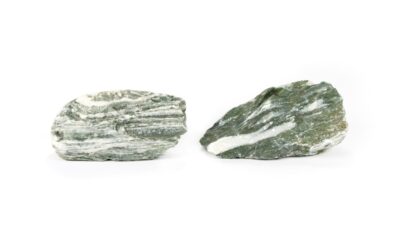
Quartzite is a metamorphic rock. It starts as sandstone, then heat and pressure deep in the earth fuse the sand grains into an extremely hard stone rich in the mineral quartz. It is cut from the ground in slabs, polished, and sold much like granite or marble. Every slab is unique because nature made it.
Engineered quartz is a man-made surface. Manufacturers grind natural quartz crystals into a fine aggregate, then bind roughly 90 to 93 percent crushed stone with about 7 to 10 percent polymer resin and pigment. The mix is pressed and cured into uniform slabs under brand names like Caesarstone, Silestone, and Cambria. Because it is manufactured, the color and pattern are consistent from one slab to the next. So while both materials contain the quartz mineral, one is dug out whole and the other is assembled in a factory.
Hardness and Scratch Resistance
Quartzite is genuinely hard, rating around 7 on the Mohs scale, which puts it above glass and most kitchen knives. You can cut directly on quartzite in a pinch without scratching it, though doing so will dull your blades fast. This hardness makes it superb for busy kitchens where things get dropped and dragged.
Engineered quartz is also hard and scratch-resistant, but the resin binder is softer than pure stone, so a sharp knife or an abrasive can mar it over time. Both surfaces resist everyday scratching well, yet in a head-to-head test on raw scratch resistance, natural quartzite edges out engineered quartz. For either material, a cutting board is still the smart habit.
One nuance worth understanding is that hardness and stain resistance are not the same property. Quartzite is harder, but because it is porous it can stain if left unsealed, while engineered quartz is slightly softer yet essentially stain-proof thanks to its non-porous surface. So the durability question splits in two: quartzite wins on scratch and heat resistance, quartz wins on stain resistance and upkeep. Neither is fragile, and both will outlast laminate or solid-surface counters by decades, but knowing which strength you care about most points you toward the right material.
Heat Resistance: A Real Divide
This is where the two split sharply. Quartzite is pure stone with no resin, so it shrugs off heat. You can set a hot pan straight from the burner onto quartzite without damage, the same way you can with granite. Engineered quartz cannot do that. The polymer resin that binds it softens and scorches with direct heat, and a hot pot can leave a permanent white or yellow burn mark or a hairline crack from thermal shock. Most quartz manufacturers warn against temperatures above roughly 300 to 400 degrees Fahrenheit and void the warranty for heat damage. If you are a serious cook who parks hot cookware on the counter, quartzite is the safer bet.
Sealing and Maintenance
Because quartzite is natural stone, it is porous and needs sealing. Most quartzite should be sealed at installation and resealed once or twice a year, depending on the stone and how heavily you use it. A quick test tells you when it is due: drop a little water on the surface, and if it darkens or soaks in within a few minutes, it needs sealer. Skip this and quartzite can stain from wine, oil, or coffee.
Engineered quartz is non-porous and never needs sealing, which is its headline maintenance advantage. Spills sit on top and wipe away, and the surface resists staining and bacteria without any annual chore. For homeowners who want a truly hands-off counter, quartz wins on upkeep. For those who accept a yearly seal in exchange for natural stone and heat tolerance, quartzite is worth it.
Appearance and Selection
Quartzite offers the dramatic, one-of-a-kind veining of natural stone, often resembling marble with soft grays, whites, and warm veins, but far more durable than actual marble. No two slabs match, so you should view and approve your exact slab at the yard before fabrication.
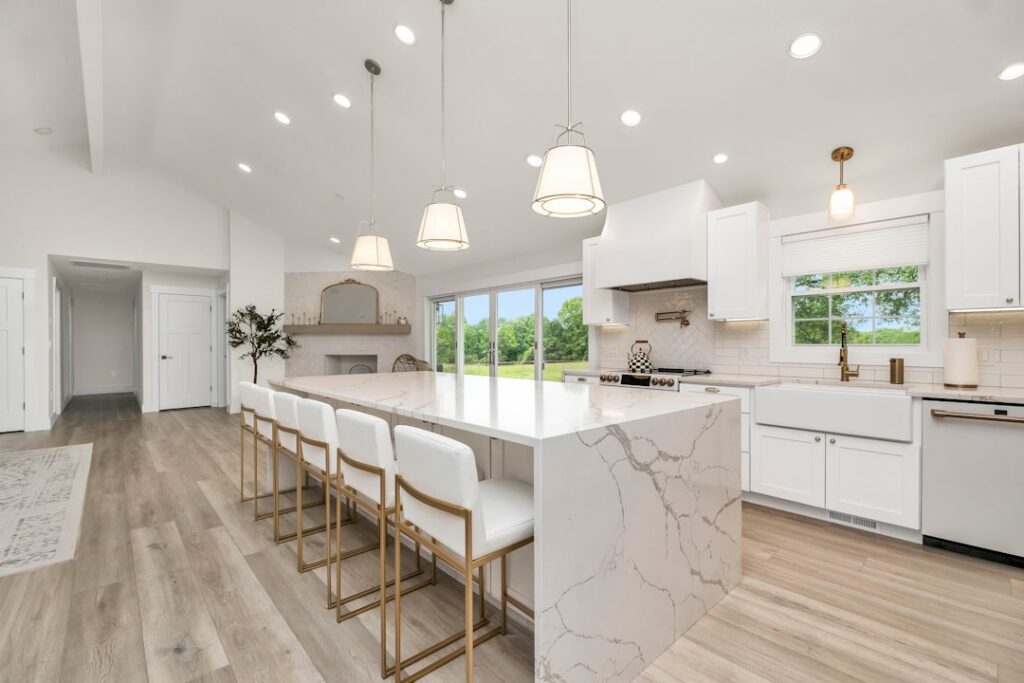
Engineered quartz gives you consistency and a huge range of colors and patterns, including designs that mimic marble or concrete with predictable, repeatable results. If you want a specific uniform look, or a bold solid color that nature does not produce, quartz delivers it. If you want the irreplaceable character of real stone, quartzite delivers that instead.
Cost Comparison
Prices overlap, but the ranges differ. Engineered quartz typically runs $50 to $120 per square foot installed, with premium designer lines pushing higher. Quartzite generally runs $60 to $150 per square foot installed, and rare or exotic slabs climb further. Quartzite also tends to cost more to fabricate because its extreme hardness wears down cutting blades and demands more labor and skill from the fabricator. Budget for the installed total, not just the slab price, and get quotes that include edging, cutouts, and sealing.
Remember to factor in the long-term cost of ownership, not just the install. Quartzite adds the recurring expense of sealer, roughly $15 to $40 a bottle every year or two, plus your time applying it. Quartz has essentially no ongoing cost beyond routine cleaning. Over a decade the difference is small in dollars, but if hands-off maintenance has real value to you, weigh it. Conversely, if you ever set a hot pot down out of habit, a scorched quartz counter is an expensive repair or replacement that quartzite would have shrugged off, so the heat tolerance carries a hidden financial value of its own.
Watch Out for Mislabeling
One practical warning: some stone sold as quartzite is actually softer dolomitic marble mislabeled by a supplier, either by mistake or to command a higher price. True quartzite will not scratch with a steel knife and will not etch from a drop of lemon juice, while marble mislabeled as quartzite will do both. Ask your fabricator to perform a simple scratch-and-etch test on the actual slab, or request documentation of the stone type. This protects you from paying for durable quartzite and receiving a stone that stains and etches like marble.
Which Should You Choose?
Neither material is a mistake, so match it to your habits. Choose engineered quartz if you want zero maintenance, perfectly consistent color, and a non-porous surface, and you are willing to protect it from direct heat. Choose natural quartzite if you want genuine stone with unique veining, superior heat and scratch resistance, and you do not mind sealing it once or twice a year. So when someone asks is quartzite the same as quartz, you now know the honest answer: they share a name and a mineral, but they are different products that behave differently in a real kitchen. Understand those differences, weigh them against how you actually live, and you will pick the counter you will be glad you chose ten years from now.
Frequently Asked Questions
Is quartzite the same as granite?
No. Granite is an igneous rock formed from cooled magma and made of several minerals, mainly feldspar and quartz, while quartzite is a metamorphic rock formed from sandstone and made almost entirely of quartz. Both are natural stones that are quarried in slabs and need periodic sealing. Quartzite is usually the harder of the two and often has softer, marble-like veining instead of granite’s speckled look.
Can quartz or quartzite be used outdoors?
Quartzite works well outdoors because it is natural stone with no resin, so sunlight does not fade it. Engineered quartz is generally meant for indoor use, since the resin binder can yellow or fade with long UV exposure, and many manufacturers exclude outdoor installations from their warranty. For an outdoor kitchen, quartzite or granite is the safer choice.
How can you tell quartz and quartzite apart?
Engineered quartz has a very uniform, repeating pattern, while quartzite shows natural variation, crystal sparkle, and veining that differs across each slab. Ask to see the edge and back of the slab, since quartz looks the same all the way through. A fabricator can confirm quartzite with a scratch test on an offcut, and reputable suppliers can confirm in writing which material the slab is.