The names are nearly identical, the showroom slabs look similar, and yet quartz and quartzite are fundamentally different materials with very different care requirements. If you’re asking which is better quartz or quartzite, the honest answer is that it depends on how you cook, how much maintenance you’ll tolerate, and your budget. One is engineered and virtually maintenance-free; the other is natural stone that’s tougher in some ways but needs sealing. Here’s a straight comparison so you can match the right surface to your kitchen.
Part of our Countertops guide — explore the full guide →
- The Key Difference: Engineered vs. Natural
- Durability and Scratch Resistance
- Heat Resistance — A Real Distinction
- Sealing and Porosity
- Etching and Staining
- Appearance
- Cost
- Quick Comparison
- Care and Cleaning Compared
- A Word on Mislabeling
- Resale and Longevity
- Edge Profiles and Finishes
- The Honest Verdict
The Key Difference: Engineered vs. Natural
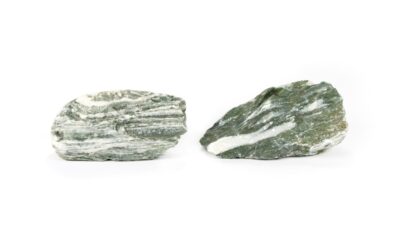
Quartz countertops are engineered. They’re manufactured from roughly 90 percent ground natural quartz mixed with resins and pigments, then pressed into slabs. That manufacturing makes quartz nonporous and gives it consistent color and pattern. Quartzite, despite the similar name, is 100 percent natural stone — sandstone that’s been transformed by heat and pressure into a very hard rock. It’s quarried, cut, and polished like granite, with the natural variation that implies.
Durability and Scratch Resistance
Both are hard, but in different ways. Quartzite is one of the hardest natural countertop stones, harder than granite, and it resists scratching very well. Quartz is also tough and resists scratches under normal use, though you should still use a cutting board on either. For raw scratch resistance, quartzite has a slight edge, but for everyday kitchen use both hold up to chopping, dishes, and daily wear.
Heat Resistance — A Real Distinction
This is where the materials genuinely diverge, and it matters. Quartzite is natural stone and handles heat far better — you can set a hot pan on it with much less risk, though a trivet is still smart. Quartz is not heat-proof. The resin binders in quartz can scorch, discolor, or be damaged by a hot pot straight off the burner, and that damage is permanent. If you regularly move hot cookware directly to the counter, quartzite is the safer choice; if you’ll commit to using trivets, quartz is fine.
Sealing and Porosity
Quartz is nonporous, so it never needs sealing and won’t absorb spills — wine, oil, and coffee wipe right off. Quartzite is porous to varying degrees and must be sealed, typically at installation and periodically afterward (often annually, depending on the stone). An unsealed or under-sealed quartzite can absorb stains. If low maintenance is your priority, quartz wins clearly here.
Etching and Staining
Quartzite can etch — acidic liquids like lemon juice or vinegar can leave dull marks on some stones, especially softer quartzites sometimes sold under that name. Proper sealing reduces but doesn’t fully eliminate this risk, and you should wipe acidic spills promptly. Quartz resists both etching and staining thanks to its nonporous surface, making it the more forgiving option for busy or messy kitchens.
Appearance
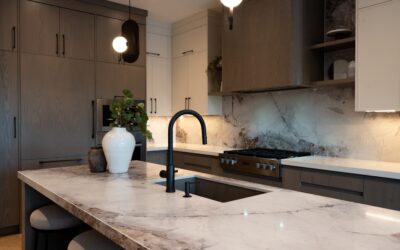
Quartzite offers the dramatic, one-of-a-kind veining of natural stone, often resembling marble, and many people choose it precisely for that organic beauty. Quartz delivers consistency — what you see in the sample is what you get across every slab — and comes in a huge range of colors and patterns, including marble look-alikes. If you want predictable uniformity, choose quartz; if you want a unique natural slab, choose quartzite, but inspect the actual slab since natural variation is significant.
Cost
Both are premium surfaces. Pricing overlaps heavily and depends on the specific stone, slab rarity, and your region, so neither is reliably cheaper across the board. Exotic quartzite can run high, while quartz pricing is more predictable. Get quotes for the specific materials you like rather than assuming one category is always more affordable.
Quick Comparison
- Choose quartz if: you want zero maintenance, no sealing, stain and etch resistance, and consistent color — and you’ll use trivets for hot pans.
- Choose quartzite if: you want maximum heat resistance, the hardest natural surface, and unique natural veining — and you’ll keep up with sealing.
Care and Cleaning Compared
Day-to-day upkeep differs in ways that matter over the life of a counter. Quartz cleans with nothing more than mild soap and water or a gentle surface cleaner — but avoid abrasive pads and harsh chemicals that can dull the resin, and never set a hot pan on it. Quartzite also wipes clean easily, but you must keep it sealed, blot acidic spills like citrus and wine quickly to limit etching, and avoid acidic or abrasive cleaners that break down the sealer. A simple test for quartzite sealing: drop a little water on the surface and see if it beads (sealed) or darkens and soaks in (time to reseal).
A Word on Mislabeling
One real-world catch: some stones sold as quartzite are actually softer dolomitic stones or marble-like material that etches and scratches more easily than true quartzite. Because the name carries a premium, it pays to verify. Ask the supplier about the specific slab’s hardness, request a sample to test with a knife (true quartzite resists scratching) and a drop of lemon juice (true quartzite resists etching better), and buy from a reputable fabricator. Knowing what you’re actually getting prevents disappointment after installation.
Resale and Longevity
Both materials are seen as premium and can add appeal at resale. Quartz’s consistency and zero-maintenance reputation make it an easy sell to buyers who don’t want upkeep, while quartzite’s natural beauty and heat resistance attract those who cook seriously and love real stone. Both last for decades when treated well, so longevity rarely decides the choice — your habits do.
Edge Profiles and Finishes
Both materials offer a range of edge profiles and finishes, so this rarely decides the matchup, but it’s worth knowing. Quartz takes crisp, uniform edges and polished finishes consistently because it’s manufactured. Quartzite, as natural stone, can be polished to a glossy shine or honed to a softer matte look, and a honed finish can hide minor etching better than a polished one. Both can be fabricated with anything from a simple eased edge to a dramatic mitered waterfall, so you can get the look you want from either material.
The Honest Verdict
Neither material is universally better — it truly depends on your kitchen habits. Quartz is the low-maintenance, worry-free workhorse that simply can’t take direct heat. Quartzite is the heat-tolerant, ultra-hard natural beauty that asks for sealing and a little care. Be honest about whether you’ll use trivets and reseal a counter, and the right answer to which is better, quartz or quartzite, will be obvious for your home.