Both quartzite and marble are natural stones with dramatic veining, but they perform very differently in a working kitchen. Choosing between quartzite vs marble countertops comes down to how you cook, how much maintenance you will tolerate, and what your budget allows. One is a hardened metamorphic rock that shrugs off abuse. The other is a softer stone that etches if you look at it with a lemon. Here is an honest breakdown to help you decide.
Part of our Countertops guide — explore the full guide →
Formation and Composition
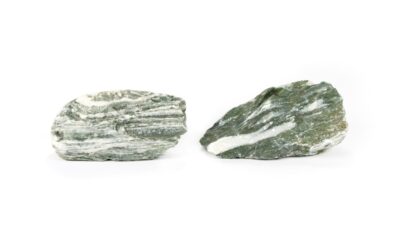
Quartzite starts as sandstone that gets buried deep underground and subjected to intense heat and pressure over millions of years. That process fuses the quartz grains into an extremely hard, dense rock that scores 7 on the Mohs hardness scale. It is harder than granite.
Marble forms when limestone undergoes a similar metamorphic process, but the calcium carbonate base remains chemically reactive. Marble scores between 3 and 5 on the Mohs scale, making it significantly softer and more susceptible to scratching and etching from acidic substances.
Appearance and Aesthetics
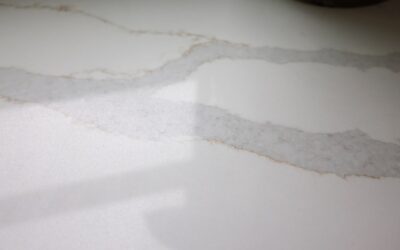
Marble delivers the soft, luminous veining that has defined luxury interiors for thousands of years. Calacatta and Carrara are the most recognized varieties, featuring gray and gold veins against a white background. The surface has a depth and warmth that photographs beautifully and ages with a patina some homeowners love.
Quartzite produces bolder, more dramatic patterns. Taj Mahal quartzite mimics marble’s softer tones, while Fantasy Brown and Fusion offer sweeping waves of gold, green, and burgundy. Super White quartzite is often mistaken for marble at first glance but handles kitchen use far better. Both stones take a high polish, though quartzite tends to have a slightly more glassy finish.
Durability Comparison
This is where the two stones diverge sharply, and it matters most for anyone who actually cooks.
- Scratch resistance: Quartzite resists scratches from knives, cookware, and everyday abrasion. Marble scratches easily and shows knife marks within months of heavy use.
- Etching: Marble etches from contact with lemon juice, vinegar, tomato sauce, wine, and many common foods. Etching leaves dull spots that require professional honing to remove. Quartzite does not etch from acids.
- Heat tolerance: Both stones handle hot pans reasonably well, though thermal shock can crack any natural stone. Use trivets as a precaution with either material.
- Chipping: Quartzite is more resistant to edge chips due to its hardness. Marble chips more easily, particularly at sink cutouts and corners.
Maintenance Requirements
Marble demands attention. You need to seal it every 6 to 12 months with a quality impregnating sealer, and even sealed marble will etch from prolonged acid contact. Spills need immediate cleanup. Over time, marble develops a patina of micro-etching and fine scratches that some homeowners appreciate and others find frustrating.
Quartzite needs sealing once every 1 to 2 years, though some particularly dense varieties like Taj Mahal absorb very little and can stretch to 3 years between applications. Daily cleaning is the same for both: mild dish soap and water. Avoid acidic or abrasive cleaners on marble entirely. Quartzite tolerates a wider range of cleaning products without damage.
Cost Breakdown
Neither stone is budget-friendly, but pricing varies considerably by slab quality and variety.
- Marble (installed): $75 to $200 per square foot. Carrara sits at the lower end ($75 to $100), while Calacatta Gold can exceed $200.
- Quartzite (installed): $70 to $180 per square foot. Taj Mahal and Super White range from $80 to $130. Exotic varieties like Azul Macaubas push past $150.
For a typical 40 square foot kitchen, expect to spend $3,000 to $7,200 on quartzite or $3,000 to $8,000 on marble, depending on the variety. Fabrication costs are similar, though quartzite’s hardness can increase cutting time and blade wear, sometimes adding $5 to $10 per square foot to fabrication.
Best Uses for Each Stone
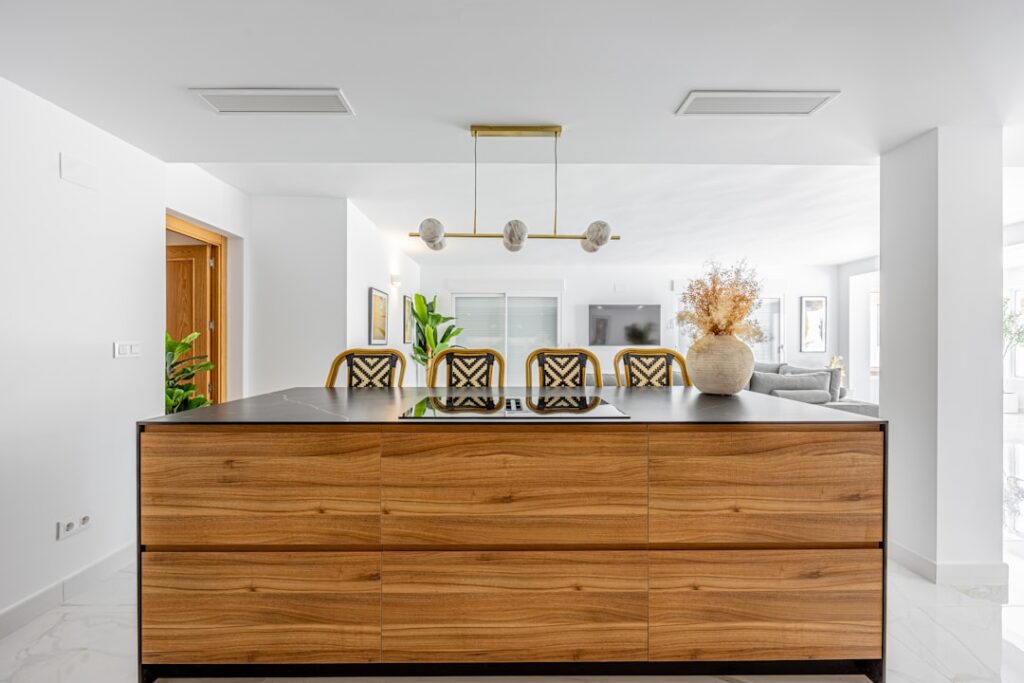
Marble works best in low-traffic applications where its beauty can shine without constant abuse. Bathroom vanities, fireplace surrounds, and formal dining areas are ideal. If you insist on marble in the kitchen, dedicate it to an island or baking station where you control what touches the surface.
Quartzite belongs in working kitchens. It handles the daily assault of cooking, cleaning, and family life without the anxiety that marble creates. Quartzite vs marble countertops is not even a close contest for households with children, frequent entertainers, or anyone who cooks with acidic ingredients regularly.
Common Pitfalls When Shopping
The countertop market is full of mislabeled stone, and this is a real problem when comparing these two materials. Some dealers sell soft marble or dolomite as “quartzite” because quartzite commands higher prices and attracts durability-conscious buyers. Always perform an acid test before purchasing: place a few drops of lemon juice on an inconspicuous area of the slab. If it etches within 5 minutes, it is not true quartzite regardless of what the label says.
Request a full slab viewing at the stone yard rather than relying on small samples. Natural stone varies dramatically from slab to slab, and what you see in a 4-by-4-inch sample may look nothing like the full sheet. Pick and tag your specific slabs before signing any contract.
The Bottom Line
Choose quartzite if you want natural stone beauty with serious durability in a real cooking kitchen. Choose marble if the aesthetic is non-negotiable and you accept the maintenance commitment that comes with it. Both are premium investments that add value to a home, but quartzite delivers better long-term performance per dollar in high-use spaces.