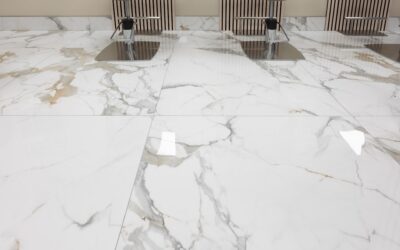
Choosing between a marble granite countertop option often comes down to a trade-off between timeless beauty and everyday toughness. Both are genuine natural stones quarried from the earth, both add real value to a home, yet they behave very differently once installed in a working kitchen. Understanding how each stone performs under heat, knives, wine, and lemon juice will save you from an expensive regret.
Part of our Countertops guide — explore the full guide →
This guide compares marble and granite side by side across the factors that actually matter day to day, so you can match the right stone to the right room and your own tolerance for maintenance.
What Marble and Granite Actually Are
Granite is an igneous rock formed when molten magma cools slowly deep underground, producing an interlocking crystal structure of quartz, feldspar, and mica. That structure makes it extremely hard and dense. Marble, by contrast, is a metamorphic rock born from limestone subjected to heat and pressure, leaving it composed largely of calcium carbonate with the soft, luminous veining prized for centuries.
The geology explains the behavior. Granite’s crystalline hardness resists scratches and etching, while marble’s calcite content reacts with acids and is softer on the Mohs scale. Neither is fragile, but they demand different habits from the cook.
Appearance and Design Character
A marble granite countertop decision is often driven first by looks. Marble delivers that classic, veined elegance seen in luxury bakeries and grand historic kitchens; its cool surface and soft gray or gold veining feel refined and calm. Carrara and Calacatta are the famous whites, with Calacatta commanding a premium for its bold, dramatic veins.
Granite offers far more color and pattern variety, from speckled grays and browns to dramatic reds, blues, and greens with heavy movement. If you want a bold, busy surface or an exotic focal point, granite’s catalog is deeper. If you want the pale, serene look of a European patisserie, only marble truly delivers it.
Durability and Heat Resistance
Granite wins on durability for a busy kitchen. It resists scratches from knives, shrugs off hot pans, and holds up to heavy daily use with minimal drama. You can set a pot straight from the stove onto sealed granite without immediate harm, though a trivet is still wise for the long term.
Marble is softer and more porous. It scratches more easily, and its calcite reacts with acids, so a splash of lemon juice, vinegar, tomato, or wine can etch a dull mark into a polished surface. Many marble owners embrace this patina as character, but if you want a pristine surface indefinitely, marble in a heavy-use kitchen will test your patience.
Staining, Etching, and Sealing
Both stones are porous and benefit from sealing, but the frequency differs. Consider these points:
- Granite: Seal on install and typically reseal every one to three years. Water beading tells you when it is time.
- Marble: More porous and stain-prone, often needing sealing every six to twelve months, and even sealed marble can etch from acids.
- Etching vs staining: Stains are absorbed color; etching is a chemical dulling of the surface. Sealer helps with stains but does not prevent acid etching on marble.
A honed (matte) finish hides etching on marble far better than a polished finish, which is why many designers specify honed marble for kitchens.
Cost Comparison
Pricing overlaps but skews differently. Granite runs roughly $50 to $120 per square foot installed, with common colors at the low end and exotics higher. Marble typically starts around $60 and climbs quickly, with premium Calacatta reaching $150 to $250 per square foot or more.
Because marble’s most desirable slabs are rarer and its fabrication requires extra care, a marble kitchen usually costs more than a comparable granite one. For budget-driven projects, granite generally offers more durability per dollar. Marble commands its premium on aesthetics and prestige rather than performance.
Best Uses for Each Stone
Matching stone to room prevents disappointment. Granite excels wherever there is heavy cooking, spills, and traffic:
- Primary kitchen countertops and islands
- Outdoor kitchens and grill surrounds
- Bar tops and high-use prep zones
Marble shines where beauty outranks abuse:
- Bathroom vanities and powder rooms
- Fireplace surrounds and accent areas
- Baking stations, since its cool surface is ideal for pastry
Some homeowners split the difference, using granite or quartz on the main run and a marble island or baking slab as a showpiece.
Maintenance and Daily Care
Care routines overlap but marble asks for more vigilance. For either stone, clean with warm water and a pH-neutral stone cleaner, never abrasive powders or acidic products like vinegar or bleach. Wipe spills promptly, especially on marble.
Practical habits that protect a marble granite countertop investment:
- Use cutting boards to spare both knife edges and the surface.
- Set hot cookware on trivets even though granite tolerates heat.
- Blot acidic spills immediately, particularly on marble.
- Reseal on schedule and test with the water-bead check.
- Keep a marble-safe poultice on hand for stubborn stains.
Making Your Final Choice
Decide by being honest about how you live. If you cook constantly, have kids, and want a surface you rarely think about, granite is the pragmatic pick. If you crave that luminous, veined elegance and accept a little patina as the price of beauty, marble rewards you with a look nothing else matches.
Resale Value and Buyer Appeal
Both stones signal quality to prospective buyers, but they appeal to different segments. Granite reads as a durable, practical upgrade that reassures family buyers who want a low-worry kitchen, and its broad familiarity makes it an easy sell in most markets. Marble carries a luxury connotation that resonates strongly in higher-end homes, where buyers expect and appreciate premium natural stone.
From a pure return standpoint, natural stone counters of either type generally recoup a healthy share of their cost and help a kitchen photograph and show well. If resale is a near-term priority, a neutral granite or a honed marble in a classic white minimizes the risk of a polarizing choice. For a forever home, follow your own taste, since you are the one living with the surface every day.
Finish Options That Change the Look
The same slab can present very differently depending on its finish, and this is an easy detail to overlook. A polished finish brings out the deepest color and highest shine, showcasing granite’s crystals and marble’s veins, though it also reveals etching and fingerprints more readily. A honed matte finish softens the appearance, hides etch marks on marble, and gives a contemporary, understated feel.
Leathered and brushed finishes add subtle texture and a low-glare surface that disguises smudges, making them popular on darker granites. When you visit the slab yard, ask to see samples of your chosen stone in more than one finish under natural light, because the difference between a glossy and a matte version of the same material can steer your whole design.
Many buyers ultimately choose granite for the hardest-working surfaces and reserve marble for a vanity or accent where its softness is no liability. Whichever way you lean, visit a slab yard to see full pieces in person, since photos never capture the true movement and scale. A well-chosen marble granite countertop, sealed and cared for properly, can serve beautifully for decades and remain a genuine asset to your home.