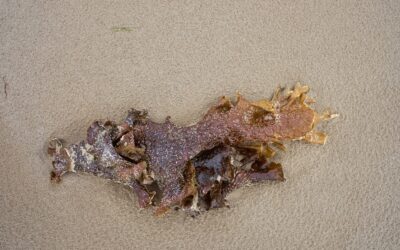
You walk out to the garden after a few warm, wet days and find a startling blob of bright yellow, orange, or tan goo spreading across your mulch. Your first reaction is alarm, and the obvious question is is slime mold dangerous to your family, pets, plants, or home. The reassuring answer for most people is no. Slime mold is a mostly harmless, fascinating organism that looks far more threatening than it is. It is not a true mold, it is not toxic to touch, and it rarely harms your plants. That said, there are a few honest caveats worth knowing, and removal is simple when you want it gone.
What Slime Mold Actually Is
Despite the name, slime mold is not a true fungus or mold in the way mildew on a bathroom wall is. It is a unique saprophytic organism that feeds on decaying organic matter, like the wood chips and bark in your mulch beds. Slime molds spend part of their life cycle as a creeping mass that can slowly move across surfaces, then dry out and release spores.
The most famous one is Fuligo septica, charmingly nicknamed “dog vomit slime mold” because the bright yellow, foamy blob really does resemble exactly that. It appears suddenly after warm, humid, or rainy weather, often startling homeowners who have never seen it before.
Is It Dangerous to People?
For the vast majority of people, slime mold poses no real danger. It is not toxic to touch, and brushing against it or scooping it up will not poison you. You do not need a hazmat suit to deal with a blob in your flower bed.
The honest caveats are minor but worth stating. You should not eat slime mold, as ingestion is never advisable. And like many organisms that release spores, slime mold can act as an allergen or irritant for sensitive individuals, particularly people with asthma or mold allergies, who may want to wear a dust mask and gloves when removing it to avoid breathing in spores. For the average healthy person, simple hand-washing after handling it is plenty of precaution.
Is It Dangerous to Pets?
Slime mold is generally not considered toxic to dogs and cats. A curious pet that sniffs or even licks a small amount is unlikely to suffer serious harm, though as with people, eating it is not a good idea and could cause minor stomach upset.
If your dog tends to eat odd things in the yard, it is sensible to remove visible slime mold and discourage the behavior, but there is no need to panic over a single encounter. When in doubt about any ingestion and unusual symptoms, contact your veterinarian, which is good advice for any garden organism.
Will It Hurt My Plants or Lawn?
This is where slime mold’s scary appearance is most misleading. Because it feeds on dead and decaying organic matter rather than living tissue, slime mold does not infect or feed on your healthy plants. It simply uses your mulch, lawn thatch, or rotting wood as a place to grow.
In rare cases, a large slime mold growing over the base of a small plant or blades of grass can temporarily block light, causing minor yellowing underneath, but it does not parasitize the plant. Once the slime mold dries up or you remove it, the plant recovers. In ecological terms, slime mold is actually a sign of a healthy, biologically active soil and a normal part of the decomposition process.
How to Remove Slime Mold
If the look bothers you, getting rid of slime mold is easy and requires no chemicals. Choose whichever method fits the situation:
- Scoop it out: Use a shovel or trowel to scoop up the blob along with a bit of the mulch beneath it, then bag it and discard it.
- Rake and dry it out: Break up the mass with a rake and spread the mulch so it dries; slime mold dislikes dry conditions and will recede.
- Hose it off: A spray of water can break it apart, though this can also spread spores, so scooping is often tidier.
- Reduce moisture: Improve drainage, water less frequently, and avoid overwatering mulched beds to discourage regrowth.
Avoid reaching for fungicides. They are largely ineffective against slime molds and unnecessary for an organism that causes no real damage.
Slime Mold Indoors and on Structures
Occasionally slime mold turns up somewhere more concerning than a mulch bed, such as on a damp basement surface, on the side of a planter, or creeping up a fence or deck post. Even then it is feeding on moisture and organic film rather than attacking the structure itself, so it is not eating your wood the way true rot fungi do. Wipe it away, address the dampness that allowed it, and the surface is fine.
The real message any indoor slime mold sends is that you have a moisture problem worth fixing. Improve ventilation, run a dehumidifier, and resolve the leak or condensation source. Genuine indoor mold and mildew, which are different organisms, are the bigger concern for damp interiors, so use a slime mold sighting as a prompt to check for hidden moisture issues.
Telling Slime Mold from Harmful Molds
It is reasonable to want to confirm what you are looking at. Slime mold typically appears as a bright, often slimy or foamy blob in yellow, orange, tan, or white that can change appearance over a day or two and dries into a crusty mass that puffs spores. Harmful indoor molds, by contrast, tend to be flat, fuzzy or powdery patches in black, green, or gray that grow on consistently damp building materials. When the growth is on food, persistent indoor surfaces, or you simply are not sure, err on the side of caution and clean it up while improving ventilation.
Preventing Future Appearances
Slime mold thrives in moisture, so the best prevention is managing dampness. Fluff and turn your mulch periodically to help it dry, avoid piling mulch too thick, and water in the morning so beds dry through the day rather than staying soggy overnight.
Even with good practices, slime mold may reappear after a stretch of warm, wet weather, and that is perfectly normal. It tends to come and go on its own with the conditions, often vanishing within days as the weather changes.
The Bottom Line
So, is slime mold dangerous? In nearly every practical sense, no. It is a harmless decomposer that looks alarming but does not poison people, seriously threaten pets, or damage your plants. The only honest cautions are not to eat it and to take simple precautions if you have mold allergies. Treat that startling yellow blob as a curiosity rather than a crisis, scoop it out if you do not like the look, and rest easy knowing your garden is doing exactly what a healthy garden does.