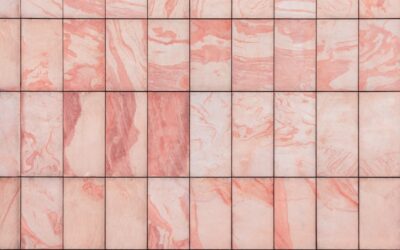
For years, wallpaper carried the stigma of dated florals and the nightmare of scraping it off a previous owner’s walls. So homeowners reasonably ask: is wallpaper in style again, or is it a passing fad? The short answer is yes, emphatically. Wallpaper has come roaring back, driven by better materials, removable peel-and-stick options, and a design world that has tired of plain, builder-beige walls. Today’s wallpaper is more sophisticated, more varied, and far easier to install and remove than the stuff your grandmother battled. The question now isn’t whether it’s stylish, but where and how to use it well.
Part of our Paint & Walls guide — explore the full guide →
Why Wallpaper Is Back
Several forces pushed wallpaper back into favor. After years of minimalist gray-and-white interiors, people are craving warmth, pattern, and personality. Wallpaper delivers all three instantly. Social media and design shows put bold, papered rooms in front of millions, and the technology improved at the same time.
Modern wallpapers come in durable vinyl and non-woven materials that resist moisture and wear, and the rise of peel-and-stick (removable) wallpaper eliminated the biggest objection: commitment. Renters and the commitment-shy can now add pattern and peel it off later with no damage, which broadened the audience enormously.
Trending Patterns and Styles
Today’s wallpaper trends lean into nature, texture, and statement-making prints. The look is more about creating mood and depth than the small, repetitive prints of decades past.
- Botanical and floral: large-scale leaves, trailing vines, and oversized blooms in moody or earthy palettes.
- Textured and grasscloth: woven natural fibers that add warmth and subtle dimension without loud pattern.
- Murals and scenic: wall-spanning landscapes, gardens, and abstract scenes that turn a wall into art.
- Geometric and modern: arches, curves, and clean repeating shapes for contemporary spaces.
- Maximalist prints: bold, saturated, pattern-heavy designs for those embracing the more-is-more mood.
Warm, earthy, and jewel tones dominate, reflecting the broader move away from cool grays toward richer, cozier palettes.
Where to Use Wallpaper Today
You don’t have to paper an entire room to be on-trend. Some of the most stylish applications are restrained and intentional. An accent wall behind a bed, sofa, or fireplace adds impact without overwhelming the space. Powder rooms have become a favorite playground for bold patterns, since their small size makes a dramatic print feel like a jewel box rather than a commitment.
Other popular spots include ceilings (the so-called “fifth wall”), the backs of open shelving and bookcases, stair risers, and dining rooms where pattern adds drama. Even closets and laundry rooms get the treatment now, turning utilitarian spaces into delightful surprises.
Peel-and-Stick vs. Traditional
Choosing between removable and traditional wallpaper comes down to permanence, budget, and skill.
Peel-and-Stick (Removable)
Self-adhesive panels apply like a giant sticker and peel off cleanly later. They’re ideal for renters, DIYers, and anyone who likes to change things up. The trade-offs: they can be slightly less durable, may not adhere well to textured walls, and the pattern selection, while growing, is narrower than traditional options. Expect roughly $30 to $60 per roll.
Traditional (Paste-Applied)
Conventional wallpaper, whether pre-pasted or paste-the-wall, offers the widest range of patterns and materials and tends to last longer. It’s more permanent and more involved to install and remove, which makes it better for forever homes and high-end results. Pricing ranges widely, from $40 to well over $150 per roll for designer brands.
How to Choose Wallpaper That Lasts
Because wallpaper is more of a commitment than paint, a little planning prevents regret. Match the pattern scale to the room: large prints suit big walls and can overwhelm tiny spaces, while small or textured patterns work almost anywhere. Consider how the room is used; high-moisture areas like bathrooms and kitchens need vinyl or vinyl-coated, washable papers.
Always order a sample first and tape it to the wall to see it in your light at different times of day. Buy all the rolls you need at once from the same batch (dye lot) so colors match, and add about 15 percent extra for pattern matching and mistakes.
Installation Tips for a Clean Result
A professional-looking job is mostly about prep. Walls should be clean, smooth, and primed, since wallpaper telegraphs every bump and flaw underneath. Heavily textured walls (like knockdown or orange-peel drywall) are a poor surface for peel-and-stick and may need skim-coating first.
Take your time matching the pattern at seams, use a smoothing tool to push out air bubbles, and trim edges with a sharp blade against a straightedge. For tricky pattern repeats, large murals, or expensive paper, hiring a professional installer (typically $25 to $50 per roll to hang) is money well spent.
The Verdict
So, is wallpaper in style? Without question. It’s one of the strongest interior trends right now, and unlike fleeting fads, the underlying appeal of pattern, texture, and personality has staying power. Better materials and removable options have removed the old objections, making it accessible to homeowners and renters alike.
Used thoughtfully, on an accent wall, in a powder room, or as a ceiling surprise, wallpaper adds character that paint simply can’t match. Choose a pattern and palette you genuinely love, prep your walls properly, and you’ll have a space that feels current, personal, and warm for years to come.
Wallpaper vs. Paint: Which Should You Choose?
Wallpaper and paint aren’t really competitors so much as different tools. Paint is cheaper, faster, and the obvious choice for large rooms and ceilings you want kept simple. Wallpaper wins when you want pattern, texture, and a focal point that flat color can’t deliver, and modern removable options narrow the old cost and commitment gap considerably.
Many of the best rooms use both: painted walls for the majority of the space and wallpaper on a single feature wall or in a small high-impact room. That combination keeps costs down while still delivering the warmth and personality driving wallpaper’s comeback.
Costs and What to Budget
Plan your budget around both materials and installation. Peel-and-stick rolls run roughly $30 to $60, while traditional and designer papers range from about $40 to well over $150 per roll. If you hire a pro to hang it, add roughly $25 to $50 per roll in labor. Murals are often priced by the panel or square footage. Always measure carefully and order a little extra from the same dye lot so colors match across the room.