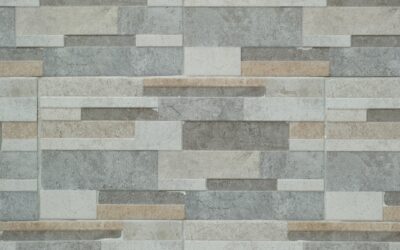
Tile is the classic backsplash, but it is expensive, permanent, and a real project to install. A wallpaper backsplash offers a faster, cheaper, and renter-friendly way to add color and pattern behind a counter, and modern peel-and-stick options make it a true weekend job. That said, wallpaper has clear limits around heat and water, so knowing where it works and where it does not is essential before you commit. This guide covers the options, the install, and the honest trade-offs.
Part of our Kitchen Remodeling guide — explore the full guide →
- What a Wallpaper Backsplash Is
- Why Homeowners Choose It
- The Limits You Must Respect
- Protecting a Wallpaper Backsplash
- How to Install Peel-and-Stick Backsplash Wallpaper
- Care and Longevity
- Wallpaper vs Tile Backsplash
- Best Spots for a Wallpaper Backsplash
- What It Costs
- Removing a Wallpaper Backsplash
- Bottom Line
What a Wallpaper Backsplash Is
A wallpaper backsplash uses adhesive-backed or pasted wall covering applied to the area between the countertop and upper cabinets. The most popular choice for kitchens and baths is peel-and-stick vinyl wallpaper, which has a self-adhesive backing and a wipeable surface. Some products are designed to mimic the look of subway tile, mosaic, or patterned cement tile, giving you a tile aesthetic without grout or thinset.
Why Homeowners Choose It
- Low cost: Often a fraction of the price of real tile and professional installation.
- Fast installation: Peel-and-stick goes up in an afternoon with basic tools.
- Renter-friendly: Many peel-and-stick products remove without damaging the wall.
- Easy to change: Update the look in a few years without demolition.
- Endless patterns: Colors and prints that would be costly or impossible in tile.
The Limits You Must Respect
This is where honesty matters. Wallpaper is not as durable as tile, and it has two real enemies: heat and water. Behind a gas or electric range, direct heat can loosen adhesive, scorch, or discolor wallpaper, so it is not a safe choice immediately behind a cooktop. Around sinks, constant water exposure and splashing can lift edges and let moisture seep behind the paper, leading to peeling and mildew. Steam from cooking and high humidity also shorten its life.
For those reasons, wallpaper works best in lower-risk zones: behind a coffee bar, in a bathroom away from the shower, on a stretch of counter not next to the stove, or as an accent protected by a sheet of clear acrylic or glass.
Protecting a Wallpaper Backsplash
If you love a wallpaper pattern but worry about splashes, a popular solution is to mount a clear tempered glass or acrylic panel over the wallpaper. The panel takes the abuse from water and grease while the pattern shows through, combining the look of wallpaper with the wipe-clean durability of a hard surface. This approach makes wallpaper viable even near sinks and ranges where bare paper would fail.
How to Install Peel-and-Stick Backsplash Wallpaper
- Clean the wall: Wipe away grease and dust, since adhesive will not bond to a greasy kitchen wall.
- Measure and cut: Measure the area and cut panels with a few extra inches for trimming.
- Start level: Use a level to set the first piece straight; everything follows from it.
- Peel and smooth: Peel the backing gradually, pressing from the center outward with a smoothing tool to push out bubbles.
- Trim edges: Use a sharp utility knife and a straightedge to trim along counters, outlets, and cabinets.
- Seal seams: Press seams firmly and consider a clear caulk line along the counter to block moisture.
Care and Longevity
Wipe a vinyl wallpaper backsplash with a damp cloth and mild cleaner; avoid soaking it or scrubbing hard at the seams. Address any lifting edge promptly with a dab of seam adhesive before water gets behind it. In a low-moisture, low-heat location with good care, a quality peel-and-stick backsplash can last several years, though it will not match the decades you get from tile.
Wallpaper vs Tile Backsplash
It helps to be clear-eyed about how wallpaper compares with the traditional option. Tile costs more and takes far longer to install, but it is durable, fully water and heat resistant, and lasts for decades. Wallpaper is cheap, fast, and easy to change, but it is vulnerable to heat and moisture and lasts only a few years in a working kitchen. The right choice depends on your priorities: choose tile for a permanent kitchen you plan to keep, and wallpaper for a rental, a quick refresh, a low-splash zone, or a budget project where you welcome changing the look in a few years.
Best Spots for a Wallpaper Backsplash
- Coffee or beverage bar: Low splash and no heat, ideal for bold pattern.
- Powder room or bathroom away from the shower: Adds personality with minimal water risk.
- Open counter runs not beside the stove: Safe from direct cooktop heat.
- Behind a glass or acrylic panel: Protected enough to survive even near sinks and ranges.
- Rental kitchens: Removable peel-and-stick that comes off without damage at move-out.
What It Costs
Peel-and-stick backsplash wallpaper typically runs $1 to $5 per square foot, and a roll covering a small backsplash often costs $20 to $60. A protective glass or acrylic panel adds to the cost but still usually comes in well under a full tile installation.
Removing a Wallpaper Backsplash
One of wallpaper’s biggest advantages is how easily it comes off when you want a change. Peel-and-stick products are designed to lift away, and the key is to go slowly and pull at a low angle to avoid taking paint or drywall paper with it. Warming the wallpaper gently with a hair dryer softens the adhesive and makes removal cleaner, especially if it has been up for a while. After removal, wipe away any adhesive residue with a mild cleaner. Because the wall underneath usually survives intact, you can swap patterns or switch to a different finish without the demolition and mess that tearing out tile requires, which is exactly why renters and frequent redecorators love it.
Bottom Line
A wallpaper backsplash is a fast, affordable, and reversible way to transform a kitchen or bath, especially for renters and quick refreshes. Keep it away from direct heat and standing water, or shield it behind a clear panel, install it on a clean level wall, and tend to lifting edges early. Within those limits, it delivers big style for little money and effort.