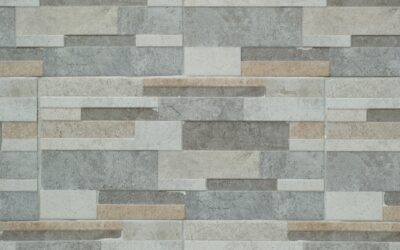
Renting does not mean living with a builder-grade blank wall behind your stove for years. A renter friendly backsplash upgrades the look of a kitchen or bathroom using materials that peel, stick, or attach without permanent glue, drilling, or grout, so you can transform the space and remove it cleanly when you move out. The whole point is reversibility: the finished wall should look like a real backsplash while the installation leaves your security deposit intact. With the right product and a little surface prep, a weekend project can completely change how a rental kitchen feels.
Part of our Kitchen Remodeling guide — explore the full guide →
Peel-and-Stick Tile
The most popular renter solution is peel-and-stick tile, sold in sheets that mimic subway tile, mosaic, hexagons, and stone. The better gel or vinyl versions have a slight dimension and a glossy finish that genuinely reads like ceramic from a few feet away. You peel the backing and press the sheets onto a clean, smooth wall, overlapping the tabbed edges so seams disappear.
- Gel/3D tiles: thicker and more realistic, with raised grout lines, and they wipe clean easily.
- Vinyl tile decals: flatter and cheaper, best for low-splash areas.
- Metal or composite peel-and-stick: a more durable option for behind a stove.
Expect to pay $8 to $15 per square foot for quality peel-and-stick tile. Always test removal on a hidden spot before committing, since adhesion varies by wall paint and surface.
Removable Wallpaper and Vinyl
Removable, repositionable wallpaper is another renter favorite, available in tile patterns, geometric prints, and faux-stone looks. Designed to peel off without taking paint with it, it goes up fast and costs less than tile. The catch behind a sink or stove is moisture and heat, so seal the edges well and keep it slightly away from direct heat sources.
For a more durable wipeable finish, adhesive vinyl film made for walls handles splashes better than paper-based wallpaper. Either option lets you cover a large area cheaply, and both come down by warming the edges with a hair dryer and peeling slowly at a low angle.
Backsplash Panels and Boards
When you want real texture without adhesive risk, lightweight backsplash panels are a strong choice. PVC, acrylic, and faux-tin panels come in large sheets you can cut with a utility knife and attach with removable adhesive strips or, in some setups, a tension fit. They cover more area per piece than individual tiles and create a seamless, easy-to-clean surface behind a counter.
Some renters mount a thin acrylic or polycarbonate sheet over an existing ugly backsplash using removable adhesive at the corners, protecting the original wall entirely. The panel comes off in one piece on move-out day, leaving the landlord’s tile untouched underneath.
No-Damage Installation Tips
The success of any temporary backsplash comes down to prep and patience.
- Clean the wall thoroughly with a degreaser, since kitchen walls carry invisible cooking oils that wreck adhesion.
- Let the wall dry completely and, ideally, wipe with rubbing alcohol for a clean bond.
- Measure and dry-fit your pieces, cutting around outlets before you peel anything.
- Press firmly and work out air bubbles with a smoothing tool from the center outward.
- Seal exposed edges near water with clear removable caulk or edge trim.
Skip these steps and even good products bubble, peel at the corners, or refuse to stick over textured or freshly painted walls.
Protecting Your Deposit
The reason these methods matter is the deposit. Permanent backsplashes installed without permission can cost a renter hundreds at move-out, while a well-chosen removable product comes off clean. When you are ready to leave, warm the adhesive with a hair dryer and peel slowly at a shallow angle. Any light adhesive residue lifts with a little rubbing alcohol or an adhesive remover. If your wall was freshly painted within a few months, test removal early, because new paint can lift no matter how gentle the product.
Other Removable Options
Beyond tile and wallpaper, a few other approaches give renters a backsplash upgrade without permanent change. Beadboard or panel sheets cut to size and held with removable adhesive add texture and a cottage look. Contact paper in a stone or marble print is the cheapest option of all, perfect for a quick refresh in a low-splash zone. For a bolder statement, framed acrylic or glass panels mounted with command-style strips create a wipeable, modern surface that lifts off cleanly.
Each option trades durability against cost and ease of removal. Contact paper is the least durable but the simplest to apply and remove, while panels and gel tiles last longer and look more convincing but take more effort to install and take down. Match the choice to how long you expect to stay and how much wear the area will see.
Where Each Option Works Best
Placement matters as much as the product. Behind a stove, heat and grease are the enemies, so durable gel peel-and-stick tile or a mounted panel outperforms wallpaper, which can lift and discolor near heat. Behind a sink, water resistance is key, making vinyl tile or a sealed gel product the safer pick over paper-based options. In a low-splash area such as a coffee station or a bathroom vanity wall, removable wallpaper and contact paper shine because the conditions are gentle. Reading the demands of each spot before you choose keeps your temporary backsplash looking good for the length of your lease.
Choosing the Right Option
For a realistic tile look behind a stove, gel peel-and-stick tile is the best balance of durability and appearance. For a large area on a budget, removable wallpaper or vinyl wins. For zero adhesive risk over an existing surface, a mounted panel is the safest bet. Whatever you choose, confirm with your lease that temporary, no-damage upgrades are allowed, prep the wall properly, and you can give a rental kitchen a custom backsplash for a fraction of the cost and none of the permanent commitment. Keep a few leftover tiles or a scrap of wallpaper after installing, too, so you can patch a peeling corner partway through your lease without rebuying a whole roll. With the right product matched to the right spot, a renter can enjoy a high-end look for years and walk away clean on move-out day.