A kids’ bathroom takes more abuse than almost any room in the house: splashed water, sticky hands, steamy showers, and the occasional marker mishap. Choosing the right kids bathroom paint colors means balancing the fun, cheerful look children love with paint that can survive years of moisture and scrubbing. Get both halves right and you end up with a space that looks great and still wipes clean when your eight-year-old decides the wall is a canvas.
Part of our Bathroom Remodeling & Flooring guide — explore the full guide →
After painting dozens of bathrooms, I can tell you the color is the easy part. The finish, the prep, and the moisture protection are what separate a job that lasts five years from one that peels in eighteen months.
Picking a Color Palette That Lasts
Kids’ tastes change fast. A toddler who loves bright purple at three may roll their eyes at it by nine. The smart approach is to anchor the room with a flexible base color and add personality through elements that are cheap to swap, like towels, a shower curtain, art, and a bath mat.
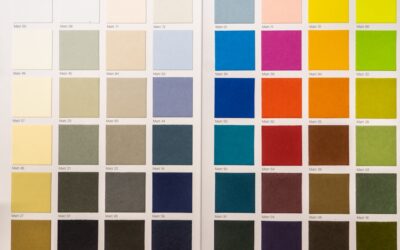
Soft, washable neutrals and gentle tints age best. Think pale aqua, warm greige, light sage, or a soft buttery yellow. These read as cheerful without screaming a single theme, and they let colorful accessories do the playful work.
Color Ideas by Mood
Calm and Soothing
For a bathroom used at bedtime, cooler tones help. Pale blue, soft seafoam, and muted lavender create a restful feel. These shades also pair naturally with a beach or ocean theme that grows with a child far longer than cartoon characters do.
Bright and Energetic
If the bathroom doubles as a morning launch pad, warmer colors wake the room up. Sunny yellow, coral, and citrus green feel lively. Use these on a single accent wall rather than all four to keep the energy from overwhelming a small space.
Gender-Neutral Options
For shared or guest-friendly bathrooms, neutral-but-fun palettes work best. Teal, mint green, sandy tan, soft gray paired with a single bold accent, and warm white all suit any child. Teal in particular hides minor scuffs well and looks clean against white fixtures.
The Accent Wall Strategy
An accent wall is the cheapest way to inject big color without committing the whole room to it. Paint three walls a light, washable neutral and reserve one wall, usually the one behind the vanity or tub, for a bold or playful shade.
This approach has a practical bonus. When your child outgrows the color, you repaint one wall in an afternoon instead of the entire room. Stripes, a simple color block, or a painted lower band at kid height are all easy variations that add character without wallpaper or decals.
Choosing the Right Finish
This is where most homeowners go wrong. Flat and matte paints look soft and pretty, but they soak up moisture and cannot survive scrubbing. In a kids’ bathroom you need a finish that resists water and wipes clean.
- Satin: The sweet spot for most bathroom walls. It has a low sheen that hides minor wall flaws, resists moisture, and tolerates regular wiping. This is my default recommendation.
- Semi-gloss: More durable and more washable than satin, with a noticeable shine. Use it on trim, doors, baseboards, and the wall behind a sink where splashing is constant.
- Eggshell: Acceptable for a low-humidity half bath, but I avoid it in a full bath with a shower because it holds up to scrubbing less well than satin.
Skip flat paint entirely in any bathroom a child uses.
Mildew Resistance Is Non-Negotiable
Steam plus a small room plus inconsistent ventilation is a recipe for mildew. Choose a paint specifically formulated for bathrooms and kitchens, which contains mildewcide additives that resist mold and mildew growth on the paint film. Most major brands sell a dedicated bath line, and the premium over standard interior paint is typically only $5 to $10 per gallon, money well spent.
Paint alone will not solve a ventilation problem. Run the exhaust fan during and for at least 20 minutes after every bath, and confirm the fan actually vents outdoors rather than into the attic. No paint can outrun chronic trapped humidity.
Prep and Application Tips
The finish coat is only as good as the surface beneath it. Rushing prep is the most common reason bathroom paint fails early.
- Clean the walls thoroughly with a degreasing cleaner to remove soap film, body oils, and toothpaste splatter. Skipping this causes adhesion failure.
- Scrub any existing mildew with a diluted bleach solution, roughly one part bleach to three parts water, then rinse and let dry completely. Painting over live mildew lets it grow right through the new coat.
- Patch nail holes and dings, sand smooth, and spot-prime bare patches.
- Use a quality stain-blocking primer if you are covering a dark old color or a water stain.
- Apply two finish coats and let the first dry the full recommended time, usually four hours, before recoating.
Allow the finished paint to cure fully, generally a week to ten days, before scrubbing it hard. Fresh paint reaches its full washable hardness only after curing, not just drying.
Smart Color Choices for Small Bathrooms
Most kids’ bathrooms are small, often 40 to 60 square feet, and color affects how cramped or open the room feels. Lighter shades reflect more light and push the walls outward visually, which is why pale aqua and soft white make a tight space feel bigger. Very dark colors can make a small bathroom feel like a closet, so if a child begs for a deep navy or charcoal, confine it to a single accent wall and keep the rest light.
Pay attention to the lighting too. Bathrooms with one small window or only overhead fixtures cast cool, sometimes harsh light that drains warmth from a color. Test paint in the actual room before committing. Buy a sample pint, brush a two-foot square on the wall, and look at it morning, midday, and under the bathroom light at night. A cheerful yellow under store fluorescents can turn sickly green under a bad bulb, and the $5 sample saves you from repainting an entire room.
Colors that hide wear
- Mid-tone teal, sage, and warm gray disguise water spots, fingerprints, and minor scuffs far better than stark white or very pale pastels.
- Avoid flat white on the lower half of walls in a kids’ bath; it shows every splash and handprint.
- Consider a slightly deeper tone from the floor to chair-rail height, where the abuse concentrates, and a lighter shade above.
Tying It All Together
The best kids bathroom paint colors are the ones that please your child today while leaving you room to adapt later. A washable neutral on most walls, one playful accent wall, satin on the field and semi-gloss on the trim, and a true mildew-resistant bath paint over properly prepped surfaces will give you a bathroom that looks bright and cheerful and still cleans up after years of splashing, scrubbing, and the inevitable creative experiments only a kid can devise.