The cabinets and countertops get all the attention, but the walls are what your eye actually lands on as you move through the room. Thoughtful kitchen wall design ties the whole space together, balancing durability against splashes and grease with the color, texture, and personality that make a kitchen feel finished. Whether you are planning a remodel or just refreshing a tired room, the wall is one of the highest-impact, lowest-cost places to make a change. Here is how to approach it like a pro.
Part of our Kitchen Remodeling guide — explore the full guide →
Start With Function, Then Style
A kitchen wall works harder than walls anywhere else in the house. It faces steam, grease, water splashes, and the occasional bump from a pan. Before you fall in love with a look, decide how each wall will be used. The zone behind the range and sink needs a wipeable, water-resistant surface, while a dining-side wall can be all about style. Designing around these zones keeps your beautiful finish from peeling or staining within a year.
Once function is set, you can layer in personality. The most successful kitchens use a mix of surfaces rather than one finish everywhere, which adds depth and keeps the room from feeling flat.
Paint: The Easiest High-Impact Change
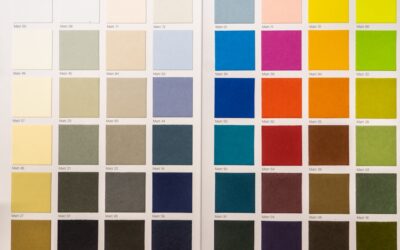
Paint is the cheapest way to transform a kitchen, but the finish matters as much as the color. Choose a scrubbable eggshell or satin finish in cooking zones so you can wipe down grease and splatter without dulling the wall. Flat paint shows every fingerprint and stains easily, so save it for ceilings.
For color, warm whites and soft greens remain popular for their fresh, timeless feel, while deep navy or charcoal on a single wall adds drama against light cabinets. Test samples in your actual light; kitchen lighting and the reflection off countertops can shift a color dramatically from the chip in the store.
Tile and Backsplash Walls
Tile is the workhorse of kitchen wall design, especially as a backsplash. It protects the wall, cleans easily, and offers nearly endless style options. The classic choices still deliver:
- Subway tile: timeless, affordable, and bright; vary the layout with herringbone or vertical stacking for a modern twist.
- Zellige and handmade tile: slightly irregular glazes that catch light and add artisan character.
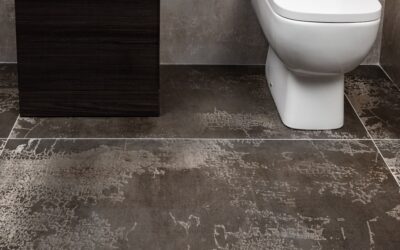
- Large-format slab or porcelain: fewer grout lines for a sleek, easy-clean look, sometimes taken full-height to the ceiling.
- Mosaic and patterned tile: a bold accent behind the range that acts like art.
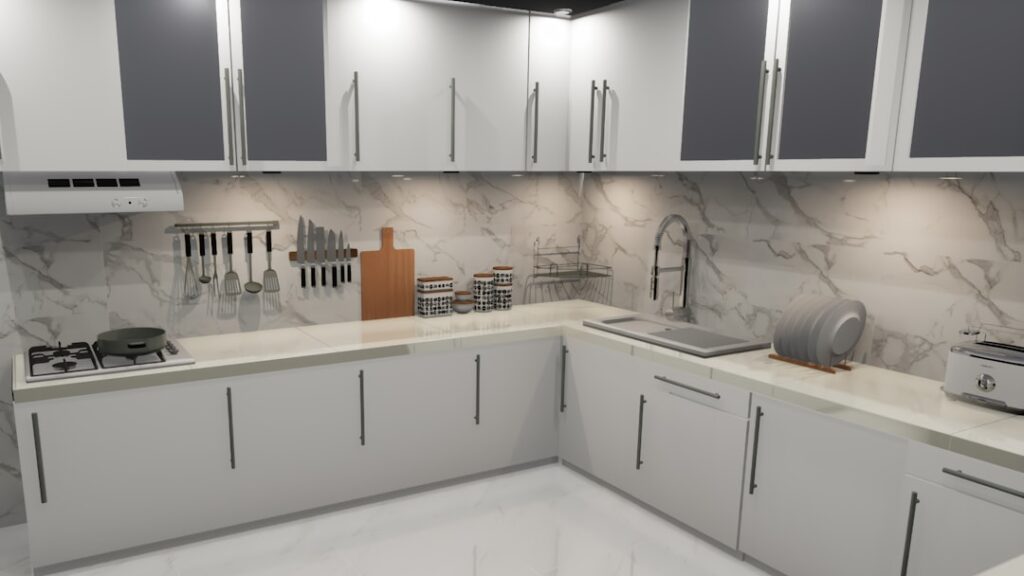
Carrying tile all the way up the wall behind the range, rather than stopping at the upper cabinets, has become a favorite high-end move that makes the kitchen feel custom.
Open Shelving and Wall Storage
Replacing some upper cabinets with open shelves changes the entire feel of a kitchen, making it lighter and more personal. Floating wood shelves warm up a white kitchen and give you a spot to style everyday dishes and a plant or two. Be honest about your habits, though; open shelves look great only if you keep them tidy and dust them regularly.
For walls that need to work harder, consider a rail system with hanging utensils, a magnetic knife strip, or a pegboard for tools. These keep counters clear and turn a blank wall into functional, attractive storage.
Accent Walls and Texture
A single accent wall gives a kitchen focus without overwhelming it. Beadboard or shiplap adds cottage charm to a breakfast nook, while a board-and-batten treatment brings architectural interest to an otherwise plain wall. In a more modern kitchen, a wall of large-format tile or a bold paint color behind the dining table draws the eye and anchors the space.
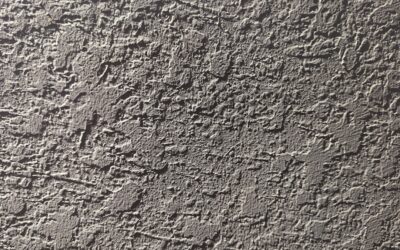
Texture matters as much as color. Mixing a smooth painted wall with a textured tile backsplash and natural wood shelving creates the layered, collected look that designers prize. Aim for contrast in materials, not chaos in colors.
Lighting the Walls
Good kitchen wall design accounts for light. Under-cabinet lighting washes the backsplash and eliminates shadows on the counter, making tile and texture pop. A pair of sconces flanking a window or a piece of art adds warmth in the evening. Choose bulbs in the 2700K to 3000K range for a cozy glow, or up to 3500K if you want a crisper, more energetic feel for a workspace.
Tying It All Together
The best kitchens repeat a few materials and colors so the walls feel intentional. Echo the backsplash tile color in a nearby paint choice, match the wood tone of open shelving to other wood in the room, and keep hardware finishes consistent. A coherent palette of two or three colors plus a couple of materials reads as designed rather than accidental.
Wallpaper and Removable Options
Wallpaper has made a strong comeback in kitchens, used most often on a non-cooking wall such as a breakfast nook or the wall behind a buffet. Choose a vinyl or wipeable wallpaper that can stand up to kitchen humidity and the occasional splash. Bold botanicals, geometric patterns, and grasscloth textures all add personality that paint alone cannot.
For renters or the commitment-shy, peel-and-stick wallpaper delivers pattern without permanence, and it pulls off cleanly later. Keep wallpaper away from the immediate range and sink zones, where grease and water will degrade it, and you get a high-impact design feature for relatively little money.
Designing for a Small Kitchen
Small kitchens benefit from a few specific wall strategies. Light, reflective wall colors make a cramped room feel larger and bounce natural light around. A continuous backsplash run, rather than several competing materials, keeps the eye moving and avoids a busy, chopped-up feel. Vertical elements like tall open shelving or a vertically stacked tile pattern draw the eye upward and make low ceilings feel higher.
Mirrored or glossy backsplash tiles can amplify light in a windowless galley kitchen, and a single bold accent, like a colorful tile behind the range, gives a small space a focal point without overwhelming it. The goal is to make the walls work harder for both storage and the illusion of space.
The Bottom Line
Smart kitchen wall design starts with function, protecting high-splash zones with wipeable paint and tile, then layers in personality through accent walls, open shelving, and good lighting. You do not need a full remodel; a fresh coat of scrubbable paint, a full-height backsplash, and a couple of styled shelves can transform the room. Plan around how each wall is used, mix your materials thoughtfully, and let lighting bring the finishes to life.