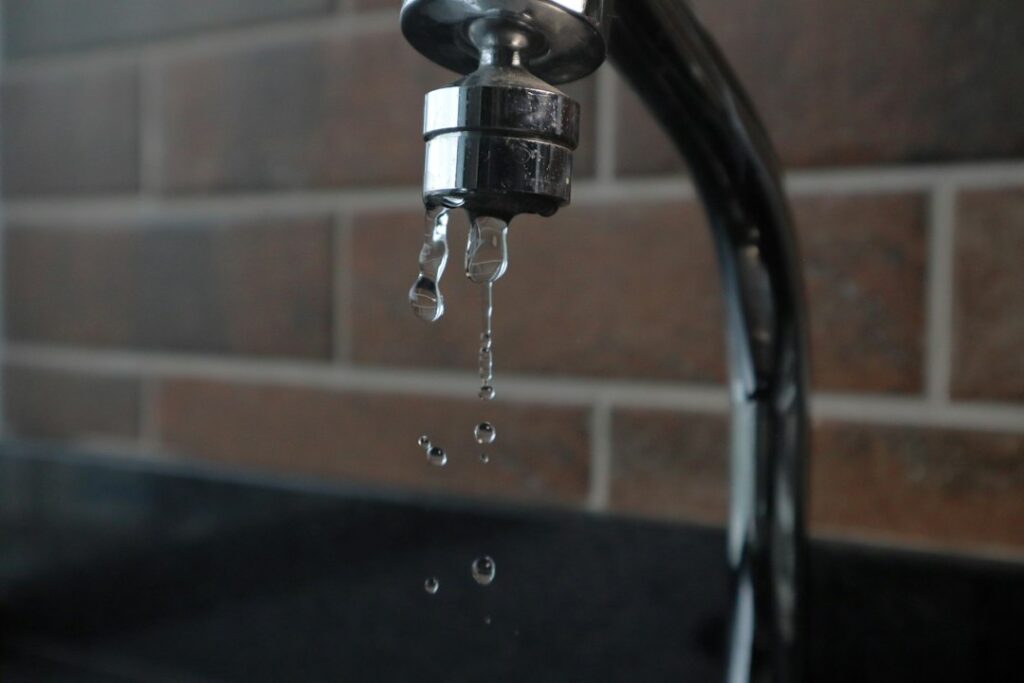
A dripping faucet can waste more than 3,000 gallons a year, and nine times out of ten the culprit is a worn part that costs less than $15. Knowing the right kitchen faucet replacement parts saves you from buying a whole new fixture when a $6 cartridge or a 50-cent O-ring would have done the job. Most repairs take under 30 minutes with a basic wrench and a screwdriver. The trick is matching the exact part to your faucet’s brand and model before you start turning anything.
Part of our Kitchen Remodeling guide — explore the full guide →
Identify Your Faucet Before You Buy
Manufacturers rarely make universal parts, so the first step is finding your brand. Look under the spout, on the base plate, or on the underside of the handle for a stamped logo. Moen, Delta, Kohler, Pfister, and Glacier Bay dominate American kitchens, and each uses proprietary cartridges. If you can find the model number, write it down. No number? Snap a photo of the faucet and the old part, then bring both to the hardware store or search the maker’s parts finder online.
Single-handle and two-handle faucets use different internals. A single-handle unit relies on one cartridge or ball assembly, while a two-handle model has a separate valve or stem under each side. Pull-down sprayer faucets add a hose and a spray head to the list of parts that eventually wear out.
The Cartridge: The Most Common Failure
When a single-handle faucet drips or gets hard to turn, the cartridge is usually to blame. This cylindrical valve controls both water flow and temperature, and its internal seals harden over five to ten years. Replacement cartridges run $8 to $25 for most residential brands. Ceramic-disc cartridges last longest but cost a few dollars more than the older rubber-seal style.
To swap one, shut off the supply valves under the sink, open the faucet to relieve pressure, and pry off the decorative cap on the handle. Remove the handle screw, lift the handle, and pull the retaining clip with needle-nose pliers. The cartridge lifts straight out — note its orientation so the new one goes in the same way. A dab of plumber’s grease on the O-rings makes reassembly smoother.
Aerators and Spray Heads
Weak or splashy flow rarely means a dying faucet. The aerator — that little screen at the tip of the spout — clogs with mineral scale and grit. Unscrew it by hand or with tape-wrapped pliers, soak it in white vinegar for an hour, and rinse. A new aerator costs $3 to $8 and often restores flow instantly. Match the thread type: male aerators thread into the spout, female aerators thread over it.
On pull-down faucets, the spray head has its own set of seals and a diverter that switches between stream and spray. If the head leaks at the connection, replace the small rubber gasket where the hose meets the head. A full replacement spray head for a Moen or Delta pull-down runs $20 to $45.
O-Rings, Seats, and Springs
Water leaking around the base of the spout, rather than from the tip, points to worn O-rings. These rubber rings seal the spout to the body and cost pennies in a variety pack. Lift the spout off after removing the cartridge and roll the old rings off with a pick.
- Rubber seats and springs — Delta ball-type faucets use tiny seats and springs that wear down; a repair kit costs about $10.
- Valve stems — two-handle faucets use replaceable stems or ceramic cartridges per side, $5 to $15 each.
- Handle screws and set screws — a stripped set screw is a $2 fix that stops a loose handle.
Supply Lines and Shut-Off Valves
The braided supply lines connecting the faucet to your shut-off valves have a lifespan too. Rubber-core lines can burst; braided stainless-steel lines rated for at least 10 years cost $8 to $12 apiece and are cheap insurance against a flooded cabinet. If the shut-off valves under the sink seize or weep, replacing them with quarter-turn ball valves makes future repairs far easier.
Tools and a Smart Repair Kit
You do not need a plumber’s van to handle most jobs. Keep these on hand:
- Adjustable wrench and a basin wrench for tight nuts behind the sink
- Allen key set for set screws
- Needle-nose pliers and a small pick for clips and O-rings
- Plumber’s grease and a roll of thread-seal tape
- A brand-specific cartridge or repair kit matched to your faucet
Many manufacturers, including Moen and Delta, back their faucets with lifetime warranties that cover parts. Call the support line with your model number and they often mail free cartridges and O-rings to the original owner.
Where to Source the Right Part
Once you know your brand and the exact component that failed, sourcing is straightforward. Big-box stores carry cartridges and repair kits for the major brands on the plumbing aisle, usually organized by manufacturer. For older or discontinued models, the manufacturer’s own website often has a parts finder that cross-references your model number to the current equivalent. Specialty plumbing supply houses stock the widest selection and can identify an obscure stem or seat from a photo. Whichever route you choose, bring the old part with you or keep it beside your keyboard when ordering online. A cartridge that looks nearly identical can differ by a fraction of an inch or a single tab, and the wrong part simply will not seat. Buying a variety pack of O-rings and springs the first time also saves a second trip when you discover another worn seal during the repair.
When to Replace the Whole Faucet Instead
Parts repair makes sense until the fixture body corrodes or the brand stops making components. If your faucet is more than 15 years old, chrome is flaking, and cartridges are discontinued, a new mid-range faucet at $80 to $200 is the smarter spend. But for a faucet under a decade old, sourcing the right kitchen faucet replacement parts is almost always cheaper, greener, and faster than a full swap. Diagnose the exact failure, match the part to your brand, and you will have running water without a leak — and money left in your pocket.