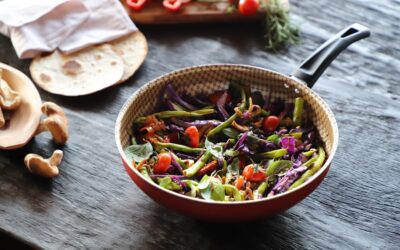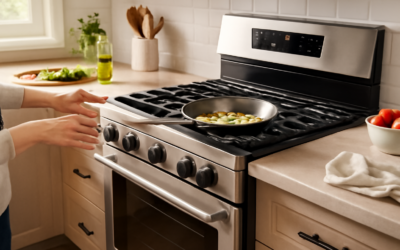
KitchenAid ceramic cookware refers to pots and pans finished with a ceramic-based nonstick coating rather than a traditional fluoropolymer surface. KitchenAid is a well-established kitchen brand, and its ceramic-coated lines appeal to home cooks who want easy-release performance without the PTFE and PFOA chemistry found in older nonstick pans.
Part of our Kitchen Remodeling guide — explore the full guide →
If you are weighing a set for your kitchen, it helps to understand what “ceramic” actually means here, how the coating behaves on the stove, and the care habits that determine whether it lasts one year or many. This guide covers all of that without the marketing gloss.
What “Ceramic” Coating Actually Means
Ceramic nonstick is not solid ceramic like a clay dish. It is a thin sol-gel coating, typically silica-based, applied over an aluminum or stainless base and cured to create a smooth, slick surface. The key selling point is the chemistry: ceramic coatings are made without PTFE (the material often associated with the Teflon name) and without PFOA, a processing chemical that the industry phased out years ago.
For everyday cooking, that means food releases easily with little oil, cleanup is fast, and you avoid the fluoropolymer surface some cooks prefer to steer clear of. The trade-off, which is true of ceramic nonstick across all brands, is that the coating’s slickness tends to wear down faster than a high-end traditional nonstick. How you treat the pan has an enormous effect on how long that performance lasts.
Construction and What to Look For
Most ceramic cookware in this category is built on an aluminum body for fast, even heating, sometimes with a stainless steel or magnetized base so it works on induction. When you are shopping, check a few practical details rather than relying on the finish alone.
- Base compatibility: Confirm induction support if you have an induction cooktop, since not every ceramic pan is induction-ready.
- Handle design: Riveted or stay-cool handles affect comfort and oven use.
- Weight and balance: A heavier gauge resists warping over time.
- Lid material: Tempered glass lids let you monitor food but have their own heat limits.
Always read the specific product’s documentation, because limits vary between individual lines and you should not assume one pan’s specs apply to another.
Heat Management Is Everything
The single most important habit with any ceramic nonstick pan is avoiding excessive heat. Ceramic coatings degrade when overheated, and high, prolonged temperatures are the fastest way to ruin the nonstick surface.
Cook on low to medium heat for nearly everything. Ceramic-coated aluminum conducts heat efficiently, so you rarely need a high flame to get good results. Preheat the pan gently and add a little oil or butter rather than running an empty pan on high, which can scorch the coating. For searing that genuinely requires very high heat, reach for stainless steel or cast iron instead and save the ceramic pan for eggs, fish, pancakes, sauces, and delicate foods where easy release matters most.
One safety point applies to every pan: never leave heating oil unattended. Oil can reach its smoke point and then ignite quickly, and an empty or oil-filled pan left on a hot burner is a real fire risk regardless of the coating.
Utensils and Daily Use
Metal utensils are the enemy of any nonstick surface. A single metal spatula scrape can leave a scratch that the coating never recovers from, and once the surface is breached, food starts to stick along that line. Stick to wood, silicone, or nylon tools.
A few more daily habits extend the life of KitchenAid ceramic cookware considerably:
- Add a small amount of oil or butter even though the pan is nonstick; a thin film protects the coating and improves browning.
- Avoid aerosol cooking sprays, which can leave a sticky, hard-to-remove buildup that dulls the nonstick effect over time.
- Let the pan cool before washing rather than plunging a hot pan into cold water, since thermal shock can warp the base and stress the coating.
- Do not cut food directly in the pan or stack pans without protection between them.
Cleaning and Storage
Hand-washing is the safest approach for ceramic nonstick, even when a product is labeled dishwasher-safe. Detergents and high-heat dry cycles are harsh, and repeated dishwasher runs tend to shorten the coating’s useful life. Use warm water, a little dish soap, and a soft sponge. For stuck-on residue, soak the pan rather than scrubbing with an abrasive pad or steel wool.
If you notice a faint brown haze building on the surface, a paste of baking soda and water can lift it gently. When storing, place a paper towel, felt pan protector, or cloth between stacked pans so nothing scratches the cooking surface. Always defer to the manufacturer’s specific care instructions for your set, since those override general advice.
Oven Use and Temperature Limits
Many ceramic pans can go in the oven, but the safe temperature ceiling varies by product and often depends on the handle and lid materials more than the coating itself. Glass lids and certain handles have lower limits than the pan body. Before you put any piece in the oven, confirm the exact oven-safe temperature in that product’s documentation, and remember that broiler-level heat is usually too intense for ceramic nonstick. Use oven mitts, since handles get hot and stay hot well after the pan leaves the oven.
How Long It Lasts and When to Replace
Treated well, a ceramic nonstick pan delivers good easy-release performance for a few years, and gentle, low-heat use with soft utensils pushes that timeline further. The coating naturally loses slickness over time; that is normal for the category and not a defect. Replace a pan once the surface is visibly scratched, flaking, or no longer releasing food, since a degraded coating no longer offers the convenience you bought it for.
Is It Right for Your Kitchen?
Ceramic cookware suits cooks who want a PTFE- and PFOA-free nonstick surface, prefer cooking at lower temperatures, and are willing to hand-wash and use soft utensils to protect the finish. If you frequently sear at very high heat or want a pan you can treat roughly, pair your ceramic pieces with stainless or cast iron for those tasks. Used thoughtfully, KitchenAid ceramic cookware is a practical, low-fuss option that makes everyday cooking and cleanup genuinely easier.
Prefer to explore on your own?
See how new flooring looks in your actual room in seconds — free, no signup.
Try the free Floor Studio →