When a tiled shower base fails, the repair bill can run into the thousands, which is exactly why a factory-molded base has such appeal. A Kohler shower pan gives you a pre-sloped, waterproof floor that arrives ready to install, skipping the mortar bed and liner work that causes most homeowner leaks. The tradeoff is that you have to pick the right size, material, and drain layout for your bathroom, because a molded pan is far less forgiving of a wrong measurement than a tiled one.
Part of our Bathroom Remodeling & Flooring guide — explore the full guide →
This guide covers the materials Kohler offers, how to read sizes and drain positions, the threshold and curb options, and the installation basics. Kohler makes a broad line of bases, so the aim here is to help you shop smart and know when to bring in a pro, not to replace the model-specific instructions that ship with your pan.
What a Molded Shower Pan Gives You
A shower pan, sometimes called a shower base, is the one-piece waterproof floor that collects water and channels it to the drain. Buying a molded base instead of building a mortar pan removes the two hardest DIY steps: getting the slope even and getting the waterproofing perfect. The factory already molded the slope toward the drain and the base is inherently watertight.
That reliability is the whole point. With a mortar pan, a missed detail at a corner or the drain can leak silently for years. A molded base is one continuous surface, so the only real waterproofing you manage is the connection to the drain and the joint where the walls meet the pan. For most bathrooms, that is a much smaller margin for error.
The Main Materials Kohler Offers
Kohler builds shower bases in a few material families, and the material drives both the price and the feel underfoot. Knowing the differences helps you match the pan to your budget and how the shower will be used.
- Acrylic bases are lightweight, warm underfoot, and easy to clean. Acrylic resists staining and holds a glossy finish. It is a common mid-range choice and comfortable for daily use.
- Cast iron bases, part of Kohler’s long heritage in cast iron, are extremely durable and heavy, with a baked-on enamel surface that resists scratching and chipping. They feel solid and quiet underfoot but weigh a great deal, which affects handling and the floor structure.
- Composite and cultured or engineered stone-style bases aim for the look of tile or stone with a solid-surface durability, often with a textured, slip-resistant floor. These sit toward the higher end and suit a more premium remodel.
Each material has its place. Acrylic is the practical everyday pick, cast iron is the buy-it-for-life option if the floor can carry the weight, and the stone-look composites are for homeowners chasing a specific finished look without tiling the floor.
Sizes and How to Measure
Molded bases come in standard footprints, and you must match one to your opening rather than trimming to fit like tile. Common sizes include 32 by 32, 36 by 36, 48 by 34, 48 by 36, and 60 by 32 or 60 by 36 inches, along with neo-angle bases for corner showers. The 60 by 32 or 60 by 36 footprint is the standard for a tub-to-shower conversion, since it drops into the old tub alcove.
Measure the finished opening carefully, accounting for wall framing and any backer board and surround you will add. Because the pan is a fixed size, confirm the rough opening matches the base’s required dimensions before you order. It is far easier to plan the framing around a chosen pan than to hunt for a pan that fits framing already built to the wrong size.
Drain Placement Matters More Than You Think
Drain location is a decision you cannot undo once the plumbing is roughed in, so plan it early. Molded bases are sold with the drain in a specific position, most commonly center drain or a rear or side offset. Your existing drain plumbing has to line up with the pan’s drain opening, or the plumbing has to be moved.
Check three things before buying:
- Where the drain sits on the pan you want, center versus offset, and confirm it matches or can be adapted to your rough-in.
- Whether the base takes a standard drain assembly or a specific one Kohler recommends, since the drain is usually sold separately.
- The direction of any offset relative to the wall, so a left-hand and right-hand layout is not reversed.
Moving a shower drain means opening the floor and reworking the trap, which is licensed plumbing work in most areas. Matching the pan to the existing drain saves a significant amount of that labor.
Threshold, Curb, and Barrier-Free Options
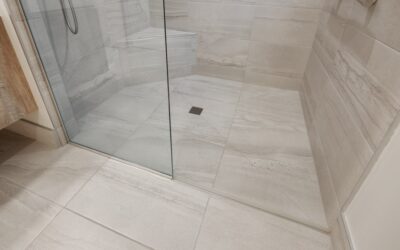
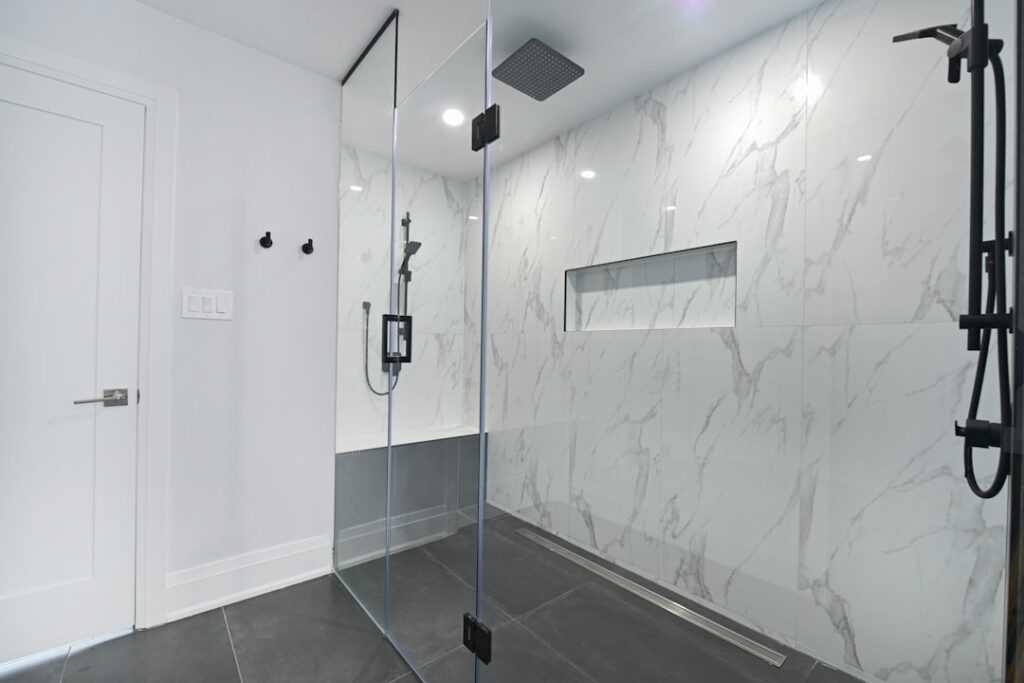
The threshold is the curb you step over. Standard bases have a molded curb that contains the water, typically a few inches high. If accessibility matters, Kohler and other makers offer low-threshold and barrier-free or curbless bases designed for easier entry and, in some cases, wheelchair access. Barrier-free bases require the drain and often a recessed subfloor to be planned in advance, so decide on this before framing.
Also consider the floor texture. A slip-resistant textured floor is worth prioritizing in any shower, and especially in a household with kids or older adults. Many bases advertise a textured surface specifically for traction when wet.
Matching the Pan to Your Wall Surround
A shower base rarely lives alone. It works with the wall system above it, and planning the two together avoids leaks and awkward gaps. You have two broad paths. The first is a molded base paired with a matching molded or panel surround, which gives you a coordinated, low-maintenance shower with only a few joints to seal. The second is a molded base with a tiled surround, which lets you customize the walls while keeping the reliable factory floor.
If you go with tile above a molded pan, the tile backer board must stop just above the pan’s flange and the waterproofing must lap over that flange so water sheds onto the base. Getting that overlap backwards, where the wall directs water behind the pan, is the one detail that turns a reliable base into a slow leak. Plan the wall waterproofing to always shingle down onto the pan.
Confirm the pan’s tiling flange or upstand height before you set the backer board, since it dictates where the wall material lands. A dry-fit of the base, backer, and a few tiles before anything is fastened saves a lot of frustration and confirms the finished floor-to-wall transition will be clean and watertight.
Installation Basics and When to Call a Pro
Installing a molded base follows a general pattern, though the exact steps come from the model’s instructions. The base is set in a bed of mortar or the manufacturer-specified setting material so it is fully supported and does not flex or crack, then leveled, and the drain is connected and tested. Support under the entire pan is critical, because a base that bridges a gap can crack under weight over time.
A few tasks justify professional help. The drain and trap connection is plumbing that many areas require a licensed plumber to perform and inspect. A cast iron base is heavy enough that handling and setting it safely is a two-person job at minimum. And any change to the drain location or the subfloor is structural and plumbing work best left to pros. Before tiling walls or closing anything up, run a water test to confirm the drain connection is watertight.
A molded base also needs the wall surround to overlap it correctly so water sheds onto the pan, never behind it. That wall-to-pan detail, plus a solid, fully supported setting bed and a leak-tested drain, is what makes a factory base perform for decades.
Maintenance keeps a molded base looking new for years. Acrylic and solid-surface floors clean with a non-abrasive bathroom cleaner and a soft cloth, and you should skip abrasive pads or harsh scouring powders that can dull the finish over time. Cast iron enamel is tougher but still deserves gentle cleaners to preserve its gloss. Reseal the caulk joint where the pan meets the wall whenever it starts to discolor or pull away, since that flexible seam is your everyday defense against water sneaking behind the base.
Choosing the right Kohler shower pan comes down to matching the size to your framing, the drain position to your plumbing, and the material and threshold to how the shower will be used. Nail those decisions before you order, follow the model instructions, and lean on a plumber for the drain, and you get the reliability of a factory-waterproofed base without the risk that makes tiled pans so easy to get wrong.