
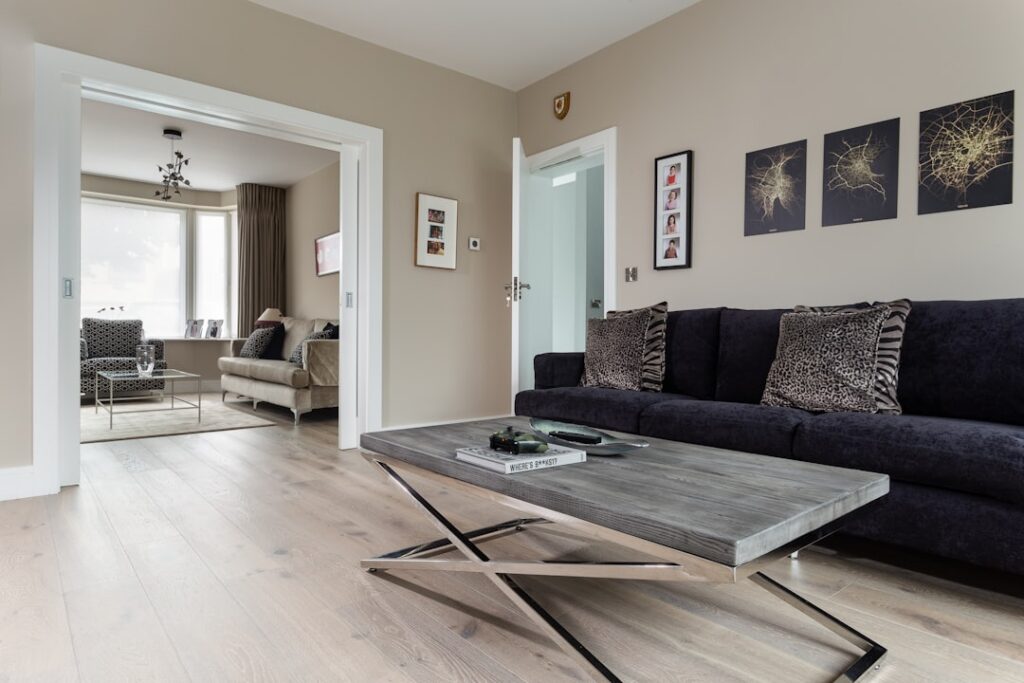
Modern laminate designs bear almost no resemblance to the orange-toned, repeat-patterned product that filled rental kitchens in 2002. Today’s premium laminate uses 4-foot planks, embossed-in-register textures that physically follow the printed grain, and design libraries that include rift-sawn white oak, smoked walnut, weathered chevron, large-format stone, and even concrete looks indistinguishable from real product at standing height. This guide covers what design categories actually look good, what they cost, and how to evaluate a sample so you do not end up with the cheap-looking product the category is still trying to outrun.
- The Five Design Families That Matter in 2026
- What Separates a Great Laminate Design From a Cheap One
- Pros of Choosing Quality Laminate Designs
- Cons and Where Laminate Still Falls Short
- Trending Laminate Designs Worth Considering
- How to Evaluate a Sample Before Buying
- Cost Tiers and What You Get
- Installation and Care That Protect the Investment
The Five Design Families That Matter in 2026
- Light European oak: Pale, slightly sun-bleached white oak in a matte finish. The dominant residential look.
- Smoked and reactive oak: Darker, tannic-treated tones with brown or warm gray undertones. Strong in mid-century and Scandinavian-influenced interiors.
- Rustic hickory and pine: Heavy knot character, mixed plank widths, country and farmhouse styles.
- Large-format stone and concrete: 12 by 24 inch and 18 by 36 inch tiles for bathrooms, mudrooms, and modern kitchens.
- Herringbone and chevron parquet: Pre-cut blocks for European-pattern installs at one-third the price of real parquet.
What Separates a Great Laminate Design From a Cheap One
Three details tell you whether a laminate design will look right in 12 months. First, the pattern repeat. Quality lines use 6 to 12 unique board patterns per box, so visible repeats spaced more than 30 feet apart in a typical install. Cheap product repeats every 4 to 6 boards, and the eye picks it up immediately. Second, the embossed texture. Embossed-in-register (EIR) means the surface texture follows the printed grain; on lower-tier product the texture is generic and runs counter to the visual grain, which reads plastic. Third, the bevel detail. Painted micro-bevels on premium product match the plank tone; flat-printed bevels show as a thin gray line under raking light.
Pros of Choosing Quality Laminate Designs
- Scratch resistance: AC4 and AC5 wear ratings outperform most engineered hardwood against pet claws and dragged furniture.
- UV stability: The aluminum oxide top layer holds color longer than vinyl in sun-exposed rooms.
- Realistic visuals: Premium 4-foot planks at 12 mm thickness with EIR texture read as wood from standing height.
- Cost efficiency: Mid-tier laminate at $2.50 to $4.50 per square foot installed delivers visuals comparable to engineered wood at half the price.
- DIY friendliness: Click-lock systems install over most subfloors with basic tools.
Cons and Where Laminate Still Falls Short
Water remains laminate’s weakness. Even waterproof-rated laminate (now offered by Pergo, Mohawk RevWood, and Shaw) handles spills well but cannot survive prolonged standing water. A leaking dishwasher or a chronic ice-maker drip will eventually swell the HDF core regardless of marketing claims. For full bathrooms and laundry rooms with floor drains, rigid core LVP is the safer call.
The other limit is acoustic feel. Laminate sounds hollower underfoot than engineered wood, particularly without a quality acoustic underlayment. Spend $0.40 to $0.80 per square foot on a 3 mm IXPE or cork pad to bring the footfall sound closer to wood. Cheap 1 mm foam pads make the floor noticeably noisier.
Laminate also cannot be refinished. A scratch through the wear layer is permanent, requiring board replacement. Buying 7 to 10 percent overage and storing it for future repairs is essential.
Trending Laminate Designs Worth Considering
Five looks have gained meaningful share in 2026 across major manufacturers. Wide-plank rift-sawn white oak in matte natural finish dominates new construction. Smoked oak with subtle warm undertones is replacing pure gray product as the most popular alternative. Herringbone and chevron pre-cut click-lock laminate from Pergo Outlast and Mohawk RevWood Plus is enabling European patterns in mid-tier remodels. Large-format stone-look laminate in 12 by 24 inch tiles is showing up in mudrooms and bathrooms where vinyl used to dominate. And mixed-width plank packs (3 inch, 5 inch, 7 inch in the same box) have brought a more authentic floor-board look to higher-end laminate lines.
How to Evaluate a Sample Before Buying
Take a 12-inch sample home and run four checks under residential lighting, not store fluorescents. First, hold it at hip height and check for visible repeat patterning across the sample face. Second, run a fingernail across the embossed texture; it should follow the printed grain, not run counter to it. Third, examine the bevel under angled light to confirm it is colored, not white-gray. Fourth, place the sample next to your actual furniture, paint, and existing flooring transitions. A laminate that looks great at the showroom can fight a brown leather sofa or a warm-toned cabinet badly. Sample fees of $5 to $25 are refundable against purchase at most retailers.
Cost Tiers and What You Get
Three price bands cover the residential market. Budget tier at $1.49 to $2.50 per square foot delivers AC3 wear rating, basic embossing, and shorter planks suitable for guest rooms and rentals. Mid-tier at $2.50 to $4.50 covers AC4 to AC5 rated 12 mm planks with EIR textures and waterproof cores from brands like Pergo, Mohawk, and Quick-Step. Premium tier at $4.50 to $7 includes longer planks (60 to 86 inches), specialty patterns, painted bevels, and 30-year warranties from brands like Quick-Step Impressive Ultra and Pergo Extreme. Picking the right tier comes down to traffic, design ambition, and how long you intend to keep the floor.
Installation and Care That Protect the Investment
The best laminate designs only look great when installed correctly. Acclimate planks in the room of installation for 48 to 72 hours, leave a 1/4-inch expansion gap at every wall and vertical obstruction, and stagger plank ends by at least 12 inches to prevent visible patterning. Use a quality 3 mm IXPE or cork underlayment unless an attached pad is already part of the product. For care, sweep or dry mop daily, damp mop weekly with a laminate-safe cleaner like Bona Pro for Laminate, and never use steam mops or wet mopping that leaves standing water on seams. Felt pads under chair legs, walk-off mats at exterior doors, and prompt cleanup of pet accidents will keep the floor looking new for the full warranty period.
Prefer to explore on your own?
See how new flooring looks in your actual room in seconds — free, no signup.
Try the free Floor Studio →

