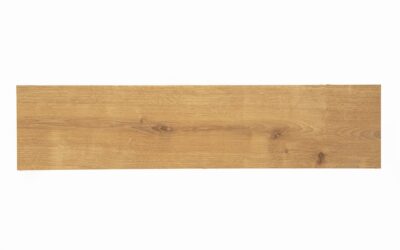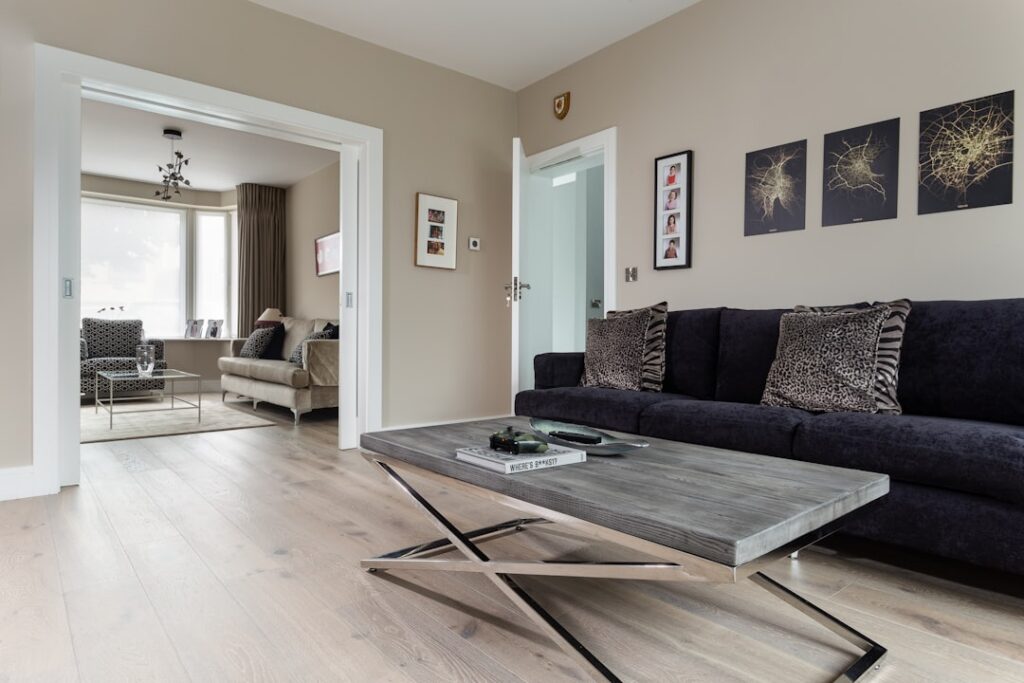
If you are weighing laminate flooring Fort Worth options, the biggest mistake you can make is shopping on price alone. North Texas summers push attic and slab temperatures hard, and the wrong product warps or gaps within a season. The good news is that modern laminate has come a long way from the hollow-sounding planks of the early 2000s. Done right, it gives you the look of oak or hickory for a fraction of the cost of real hardwood, and it stands up to kids, dogs, and the occasional spilled sweet tea remarkably well.
- Why Laminate Makes Sense in Fort Worth Homes
- What to Look For in a Laminate Plank
- The Honest Pros
- The Cons You Should Know
- Buying Laminate Flooring in the Fort Worth Area
- Installation and Acclimation Tips for North Texas
- How to Vet a Local Installer
- Maintenance That Keeps Laminate Looking New
- Common Mistakes Fort Worth Buyers Make
- Bottom Line
Why Laminate Makes Sense in Fort Worth Homes
Fort Worth sits on expansive clay soils that shift with the seasons. That movement, combined with heat and humidity swings, is rough on flooring that absorbs moisture. Laminate’s high-density fiberboard core is more stable than solid wood and far cheaper than tile installed over a moving slab. For most living rooms, bedrooms, and hallways, a quality laminate plank delivers a hardwood look without the refinishing headaches.
Cost is the other driver. Expect to pay roughly $1.50 to $4 per square foot for the material itself, with budget builder-grade product starting near $1 and premium water-resistant lines climbing toward $5. Professional installation in the Fort Worth metro typically runs $2 to $5 per square foot on top of materials, depending on subfloor prep and whether old flooring needs to come out.
What to Look For in a Laminate Plank
The single most useful spec is the AC rating, an abrasion-resistance scale from AC1 to AC5. For a normal household, target AC3 or higher. If you have large dogs, a home office with rolling chairs, or a busy entry, step up to AC4. Anything sold as AC5 is rated for light commercial traffic and is overkill for most homes but worth it in a rental.
- Thickness: 10mm to 12mm planks feel more solid underfoot and quiet better than 7mm to 8mm budget boards.
- Attached underlayment: Pre-attached foam or cork saves a step and dampens sound, useful over a concrete slab.
- Water resistance: Look for products labeled water-resistant or waterproof with a sealed core, especially for kitchens.
- Edge bevel: A painted micro-bevel hides minor subfloor unevenness common in older Fort Worth homes.
The Honest Pros
Laminate’s appeal starts with value, but the practical benefits go further. The wear layer resists scratches better than most engineered hardwood, so it shrugs off pet nails and dropped toys. Cleaning is simple: a dry mop and an occasional damp pass with a manufacturer-approved cleaner. Click-lock installation means many planks float over the existing subfloor with no glue or nails, which keeps labor costs down and makes a DIY weekend project realistic for a single room.
Style choice has exploded too. You can find convincing wide-plank white oak, rustic hickory with knots and color variation, and even gray-washed looks that suit modern Fort Worth new builds. Embossed-in-register texturing aligns the surface grain with the printed image, which is the detail that separates a $3 plank from a $1.20 one when you run your hand across it.
The Cons You Should Know
Laminate is not waterproof unless the label specifically says so, and even waterproof lines can suffer if water sits in the seams for hours. Standing water from a dishwasher leak or an overflowing tub can swell the core and ruin a section. It also cannot be refinished; once the wear layer is gone, the plank is done. Underfoot it can sound hollow if the underlayment is thin or the subfloor is uneven, so prep matters.
Resale value is another consideration. Buyers in higher-end Fort Worth neighborhoods often expect real hardwood, so laminate in a primary living area may not add the value that genuine wood would. In a starter home, rental, or basement-equivalent space, that tradeoff rarely matters.
Buying Laminate Flooring in the Fort Worth Area
You have three realistic sourcing routes: big-box home centers, independent flooring stores, and online direct-ship. Each has tradeoffs, and the smart move is to gather at least three quotes before committing.
- Home centers: Convenient, wide selection, and frequent sales, but install crews are subcontracted and quality varies. Get the crew’s reviews, not just the store’s.
- Independent flooring stores: Often carry higher-grade lines and offer more hands-on guidance. Pricing is negotiable, especially on remnant or closeout product.
- Online retailers: Lowest material prices, but you handle delivery, acclimation, and finding your own installer.
When you collect quotes, make sure each one itemizes the same scope: material brand and AC rating, underlayment, tear-out and disposal, subfloor leveling, trim and transitions, and labor. A quote that looks cheap usually skips leveling or transitions, and those line items add up fast.
Installation and Acclimation Tips for North Texas
Acclimation is non-negotiable in this climate. Let the planks sit flat in the room for 48 hours so they reach the home’s temperature and humidity before installation. Skipping this is the number one cause of buckling and gapping you will see blamed on a defective product.
Leave the manufacturer-specified expansion gap, usually about 5/16 inch, around the entire perimeter and at every fixed object. Laminate expands and contracts with Fort Worth’s seasonal swings, and a floor installed tight to the baseboards will tent in August. Over a concrete slab, use a 6-mil poly moisture barrier under the underlayment unless your product has one built in. Run a flatness check with a straightedge; most manufacturers allow no more than 3/16 inch of variation over 10 feet, and self-leveling compound fixes the rest.
How to Vet a Local Installer
The product is only half the equation. A great plank installed poorly still fails. Ask any installer for proof of a current license or business registration, liability insurance, and at least two recent local references you can actually call. Confirm in writing who is responsible if the floor fails, and check whether the manufacturer warranty requires professional installation to stay valid. Walk a previous job if you can; clean seams, tight transitions, and consistent expansion gaps tell you everything about workmanship.
Maintenance That Keeps Laminate Looking New
Laminate is low-maintenance, but a few habits extend its life dramatically in a dusty North Texas climate. Sweep or dry-mop regularly, because fine grit acts like sandpaper on the wear layer over time. When you damp-mop, wring the mop nearly dry and use a cleaner formulated for laminate; never flood the floor or use steam, which forces moisture into the seams. Place walk-off mats at exterior doors to catch the gritty dust that blows in, and use felt pads under furniture legs to prevent gouges. For pet households, keeping nails trimmed protects the surface from the fine scratches that dull a floor’s finish.
Common Mistakes Fort Worth Buyers Make
A handful of errors account for most laminate complaints in this area. Buyers chase the lowest per-square-foot price and end up with a thin AC2 plank that wears through in a high-traffic hallway within a couple of years. Others skip acclimation or the expansion gap and watch the floor tent or gap with the first big seasonal swing. Some install laminate in a full bathroom or laundry room where standing water eventually swells the core; for those rooms, choose waterproof vinyl or tile instead. Avoid these and you sidestep the problems that fill online reviews.
Bottom Line
For most Fort Worth homeowners, laminate flooring is a smart middle path between cost and durability, as long as you buy an AC3-plus plank, prep the subfloor properly, and acclimate before installation. Compare at least three local quotes on identical scope, prioritize water-resistant cores in kitchens and entries, and vet the install crew as carefully as the product. Get those pieces right and you will have a floor that looks like wood, lives like vinyl, and survives a Texas summer without complaint.
Prefer to explore on your own?
See how new flooring looks in your actual room in seconds — free, no signup.
Try the free Floor Studio →