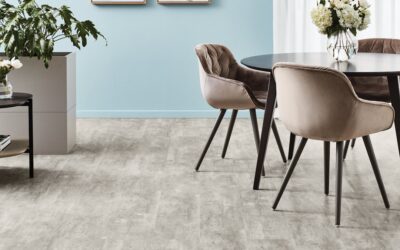
Laminate flooring looks like wood, but it is not wood. It looks like tile, but it is not tile. So what exactly is it? Laminate flooring is an engineered product made from multiple layers of different materials bonded together under high pressure and temperature. Each layer serves a specific purpose, and the quality of each layer determines how the floor looks, feels, and performs over its lifetime.
Understanding what laminate is made of helps you evaluate products, compare brands, and make a smarter purchasing decision. This guide breaks down every layer of laminate flooring, explains how each one affects performance, and covers the quality indicators that separate good laminate from bad.
The Four Layers of Laminate Flooring
Laminate flooring is constructed from four distinct layers that are fused together through a manufacturing process called direct-pressure lamination (DPL) or high-pressure lamination (HPL). From bottom to top, the layers are the backing layer, the core layer, the decorative layer, and the wear layer.
Layer 1: The Backing Layer (Stabilizing Layer)
The bottom layer of laminate flooring is the backing layer, also called the stabilizing layer or balancing layer. This thin layer of melamine-treated paper or composite material serves two critical functions.
First, it provides moisture resistance to the bottom of the plank. Since laminate is typically installed over a subfloor that may contain some moisture (especially concrete), the backing layer acts as a barrier that slows moisture migration into the core.
Second, and equally important, the backing layer counterbalances the tension created by the wear layer on the top surface. Without the backing layer, the plank would curl upward because the dense wear layer contracts differently than the core. The backing layer pulls in the opposite direction, keeping the plank flat and stable.
In quality laminate, the backing layer may also include sound-dampening properties. Some products integrate a thin cork or foam pad into the backing layer to reduce the hollow sound that laminate can produce when walked on. Products with attached underlayment have a thicker backing that combines stabilization and cushioning in one layer.
Layer 2: The Core Layer (HDF Core)
The core layer is the thickest and most structurally important component of laminate flooring. It is made from HDF, which stands for high-density fiberboard. HDF is manufactured by breaking down wood into fibers, combining those fibers with resin binders, and compressing the mixture under extreme pressure and heat into dense, uniform panels.
HDF typically has a density of 800 to 1,000 kg per cubic meter (50 to 62 pounds per cubic foot), which gives it excellent strength and rigidity for its thickness. The core layer is usually 6mm to 12mm thick, with 8mm being the most common thickness for residential laminate.
How Core Quality Affects Performance
Density: Higher-density HDF is stronger, more impact-resistant, and holds click-lock joints more securely. Premium laminate uses HDF with density above 900 kg/m3. Budget products may use lower-density fiberboard (sometimes MDF, medium-density fiberboard, rather than true HDF) that is softer, more prone to joint failure, and less durable.
Moisture resistance: Standard HDF absorbs water readily, which is laminate’s biggest vulnerability. When water penetrates through seams or edges and reaches the core, the HDF swells and does not return to its original dimensions. This is what causes the bubbling and warping that people associate with water-damaged laminate.
Water-resistant laminate treats the HDF core with wax, resin, or other hydrophobic compounds that slow water absorption. Waterproof laminate either uses a heavily treated HDF core that resists moisture for extended periods or replaces the HDF entirely with a waterproof composite material.
Thickness: Thicker cores (10mm to 12mm) produce a more solid-feeling floor that sounds less hollow underfoot. Thicker cores also provide slightly better sound insulation and feel more like real hardwood when walked on. Thinner cores (6mm to 7mm) feel flimsier and produce a more noticeable plastic sound.
The Click-Lock Profile
The edges of the core layer are precision-milled to create the click-lock (or snap-lock) profile that allows planks to interlock without glue. The quality of this milling directly affects how well planks fit together, how tight the seams are, and how well they resist separation over time.
Premium locking systems like Unilin’s Uniclic and Valinge’s 5G use patented profiles that create extremely tight joints. These tight joints not only look better but also provide better moisture resistance because water cannot easily penetrate tight seams. Budget locking systems may have looser tolerances that result in visible gaps and easier water penetration.
Layer 3: The Decorative Layer (Design Layer)
The decorative layer is what you see when you look at your laminate floor. It is a sheet of specialty paper printed with a high-resolution photographic image of wood, stone, tile, or any other desired pattern. This printed paper is saturated with melamine resin before being bonded to the core.
How Print Quality Affects Appearance
Print quality varies enormously between products. Budget laminate uses lower-resolution images with limited color depth and obvious pattern repetition. You might notice the same knot pattern or grain feature repeating every two or three planks, which immediately reveals the floor as fake.
Premium laminate uses high-definition printing with extensive color variation and pattern libraries. Top manufacturers like Pergo, Quick-Step, and Mohawk use print libraries with dozens of unique plank designs so that pattern repetition is nearly undetectable in a typical room. Some premium products use 100 or more unique plank designs per collection.
The most advanced decorative layers use registered embossing, also called EIR (embossed in register). This technique aligns the texture of the wear layer precisely with the printed grain pattern below it. When you run your hand across the plank, you feel grooves exactly where the wood grain shows knots or cracks in the print. This synchronization between visual and tactile elements is what makes premium laminate look and feel remarkably like real wood.
Layer 4: The Wear Layer (Overlay)
The wear layer is a thin, transparent sheet of melamine resin (aluminum oxide is often added for hardness) that is bonded on top of the decorative layer. This layer is the shield that protects the printed design from foot traffic, furniture, pet claws, dropped objects, and general wear.
How the Wear Layer Is Measured
Wear layer performance is measured by the AC (Abrasion Class) rating system, which is an international standard (EN 13329) that tests laminate for abrasion resistance, impact resistance, stain resistance, burn resistance, and edge swell.
- AC1: Light residential use (closets, bedrooms with light traffic). Rarely sold in the US market.
- AC2: General residential use (bedrooms, living rooms). Adequate for low-traffic homes.
- AC3: Heavy residential and moderate commercial use. The minimum recommended for active households. This is the most common rating for mid-range residential laminate.
- AC4: Heavy residential and general commercial use. Excellent for kitchens, hallways, and homes with pets and children. Suitable for offices and light retail.
- AC5: Heavy commercial use. Built for retail stores, public buildings, and high-traffic commercial environments. Overkill for most homes but provides maximum durability.
Higher AC ratings mean the wear layer contains more aluminum oxide particles and is thicker, providing more protection before the decorative layer is exposed through wear. The difference is measurable: AC3 laminate in a busy hallway may show visible wear paths in 10 to 15 years, while AC5 in the same location may last 25 to 30 years before showing significant wear.
Texture and Finish
The wear layer also determines the surface texture and sheen level of the laminate. Texturing options include smooth (glossy or satin), hand-scraped (simulating distressed wood), wire-brushed (subtle linear grooves), and embossed (random or registered texture). Matte and low-sheen finishes are currently more popular than high-gloss because they look more natural and show fewer scratches and scuffs.
How Laminate Is Manufactured
The manufacturing process that bonds these four layers together is called lamination. There are two main methods:
Direct Pressure Lamination (DPL): All four layers are stacked and pressed simultaneously in a single step under heat (around 400 degrees Fahrenheit) and pressure (approximately 300 to 600 PSI). The melamine resin in the decorative and wear layers melts and bonds permanently to the HDF core. DPL is the standard manufacturing process for most residential laminate flooring.
High Pressure Lamination (HPL): The wear layer and decorative layer are first bonded together in a separate pressing step, then this laminated surface is bonded to the core in a second step. HPL creates a denser, harder surface layer that is more resistant to impact and wear. HPL laminate is typically used for premium and commercial-grade products. It costs more but delivers superior durability.
Quality Indicators to Look For
When shopping for laminate, these indicators help you distinguish quality products from inferior ones:
- HDF density above 850 kg/m3: Ask for the spec sheet. Higher density means better performance.
- AC rating of AC3 or higher: Do not buy AC1 or AC2 for any room with regular traffic.
- Registered embossing (EIR): If you want the most realistic wood look, EIR is the technology to look for.
- Tight click-lock system: Look for patented locking systems from Unilin or Valinge. Generic locking systems may not hold up as well.
- Low pattern repetition: Look for products that list the number of unique plank designs. More is better.
- Core thickness of 8mm or more: Thicker cores sound better, feel better, and last longer.
- Attached underlayment: Not essential, but products with attached padding are more convenient and often indicate a premium product tier.
Environmental Considerations
Laminate flooring’s environmental profile is a mixed picture.
On the positive side: HDF uses wood fibers efficiently, often from fast-growing or recycled wood sources. Laminate uses far less wood per square foot than solid hardwood. The manufacturing process is energy-efficient compared to producing ceramic tile or natural stone. Most laminate can be installed without adhesive, reducing VOC emissions during installation.
On the negative side: The melamine resins and adhesives used in HDF and the lamination process contain formaldehyde. While modern products meet strict emissions standards (look for CARB Phase 2 or E1 certification), formaldehyde content remains a concern for some buyers. Laminate flooring is difficult to recycle because the bonded layers cannot be easily separated. At end of life, most laminate goes to landfills.
If environmental impact is a priority, look for laminate certified by the Forest Stewardship Council (FSC) for sustainable wood sourcing and products that meet or exceed CARB Phase 2 formaldehyde emission standards. European-made laminate from EPLF member companies generally meets the strictest environmental standards.
Final Thoughts
Laminate flooring is a precisely engineered product where every layer matters. The backing keeps the plank flat, the HDF core provides structure and houses the locking system, the decorative layer creates the visual, and the wear layer protects everything underneath. Understanding these layers empowers you to evaluate products critically, compare brands on meaningful criteria, and choose a laminate floor that performs as well as it looks.
For comprehensive guidance on laminate selection, installation, and maintenance, visit our laminate flooring guide.
Prefer to explore on your own?
See how new flooring looks in your actual room in seconds — free, no signup.
Try the free Floor Studio →