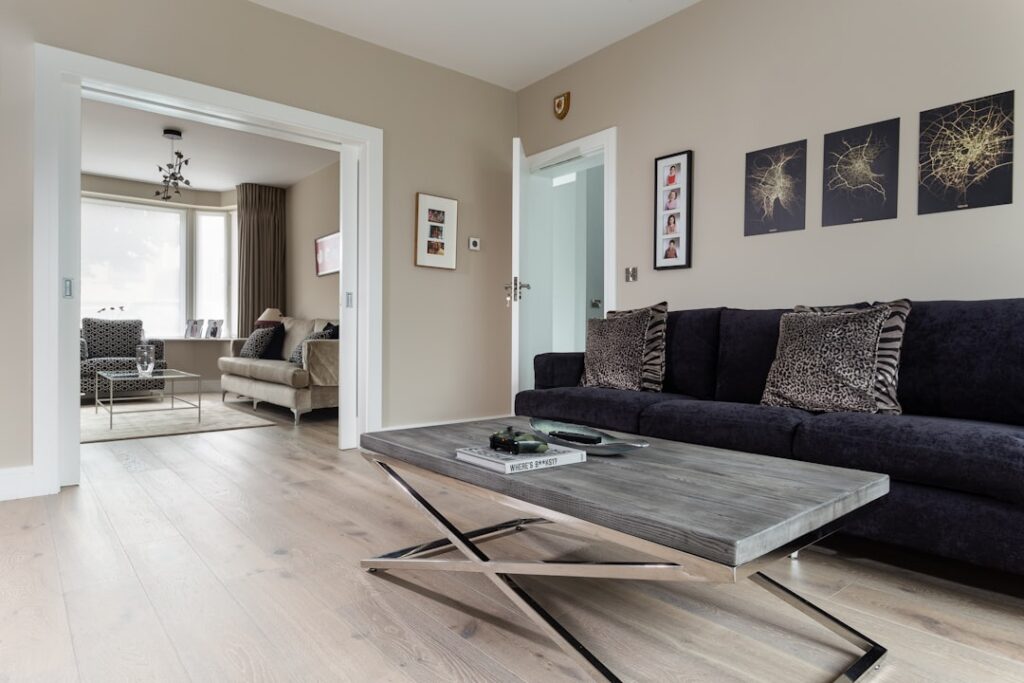
When homeowners want the look of stone, wood, or solid color on a surface without the cost of the real material, laminate sheets are often the answer that hides in plain sight. These thin, decorative surfacing sheets are bonded over a substrate like plywood or particleboard to create durable countertops, cabinet faces, tabletops, and wall panels. Made from layers of paper and resin fused under heat and pressure, laminate sheets deliver a tough, wipeable surface in nearly any color or pattern for a fraction of what natural materials cost. Understanding the types and how they install makes this an approachable upgrade.
What Laminate Sheets Are
A laminate sheet is a surfacing material, not a structural one. It is built from a printed decorative layer and a clear protective overlay pressed onto kraft-paper backing layers and saturated with resin. The result is a thin, rigid-but-flexible sheet, typically around 1/16 inch thick for general-purpose grades, that gets glued to a sturdy core. High-pressure laminate (HPL) is the common form sold in sheets for countertops and cabinetry, valued for its hardness and resistance to scratches, stains, and moisture. It is the same family of material found on many ready-made counters, sold here as raw sheets you apply yourself.
Common Uses Around the Home
Laminate sheets are remarkably versatile, which is why they show up in so many projects:
- Countertops: A budget-friendly surface for kitchens, bathrooms, and laundry rooms
- Cabinet and door faces: Refacing tired cabinets without replacing the boxes
- Furniture: Tabletops, desks, shelving, and built-ins
- Wall panels and wainscoting: Durable, wipeable surfaces in high-use rooms
- Commercial surfaces: Reception desks, store fixtures, and worktops
Anywhere you want a hard, attractive, easy-clean surface on a budget, laminate sheets are worth considering.
Grades and Thicknesses
Laminate sheets come in different grades matched to the job. General-purpose grade, around 0.048 inch thick, is the standard for countertops and vertical surfaces that take wear. Vertical grade is thinner, around 0.028 inch, and lighter, intended for cabinet doors and walls where impact resistance matters less. Postforming grade is a more flexible sheet designed to bend around a rounded countertop edge without cracking. Choosing the right grade keeps cost down on low-wear areas while putting the tougher material where it earns its keep.
Color, Pattern, and Finish Options
One of laminate’s biggest strengths is its range. Sheets come in solid colors, realistic wood grains, stone and marble looks, and abstract patterns, with finishes from high-gloss to matte to textured surfaces that mimic the feel of real wood or slate. Matte and textured finishes hide fingerprints and minor scratches better than glossy ones, which is why many kitchens choose them. Because the pattern is printed, you get consistent appearance sheet to sheet, unlike natural stone where every slab differs.
Adhesives and How Sheets Are Applied
The standard method for bonding laminate sheets is contact cement. You brush or roll the adhesive onto both the back of the laminate and the substrate, let it dry to the touch, then press the two together, at which point they bond instantly. Because there is no repositioning once contact is made, many installers lay dowels or strips across the substrate first, set the sheet on top, then pull the spacers one by one to align the sheet before pressing it down. A J-roller forces out air and ensures full contact. Edges and overhangs are trimmed flush with a router and a flush-trim bit, then filed smooth.
Cutting and Trimming Tips
Laminate is hard and can chip, so technique matters. Score-and-snap works for straight cuts on smaller pieces, while a fine-tooth circular saw blade or a laminate-specific blade gives clean results on larger sheets, cutting with the decorative side down to minimize chipping. After bonding, a router with a flush-trim or bevel bit cleans up the edges precisely. Always cut sheets slightly oversized and trim to final dimension after gluing, since trimming in place is more accurate than trying to cut to an exact fit beforehand.
Cost and Value
Laminate sheets are one of the most affordable surfacing materials available. Raw sheets commonly run a few dollars per square foot, with the total project cost depending on the substrate, adhesive, and any edge treatment. A laminate countertop costs a small fraction of stone or quartz, which is the whole appeal for budget-conscious renovations. The trade-off is that laminate is less heat-resistant and harder to repair if deeply gouged, but for the price, the durability and look are tough to beat.
Care and Maintenance
Maintenance is simple, which adds to the appeal. Wipe laminate surfaces with a damp cloth and mild dish soap, and avoid abrasive scrubbers and harsh chemicals that can dull the finish. Never set hot pots or pans directly on a laminate counter, since concentrated heat can scorch or blister the surface, and always use a cutting board because knives will scratch and even slice through the thin top layer. Wipe up standing water along seams and edges promptly, as moisture seeping into the substrate is the main cause of long-term failure. Pay special attention to the area around a sink cutout, where water exposure is constant and a well-sealed edge makes the difference. With reasonable care, a laminate surface stays attractive for many years, and minor chips can be touched up with a matching seam filler.
Working With Laminate as a DIY Project
Laminate sheets are well within reach of a confident DIYer, which is part of their appeal for budget renovations. The most important skills are accurate measuring, patient cutting, and careful alignment when the contact cement makes its instant bond. Start with a smaller, flat project like a shelf or a small tabletop before tackling a full countertop, since the technique of laying spacer dowels and pressing from the center outward takes a little practice. Keep the work area well ventilated when using contact cement, wear gloves, and work in a comfortable temperature, since cold slows the adhesive and heat shortens your working time. With a sharp router bit and a steady hand, a first-timer can achieve clean, professional-looking edges.
The Bottom Line
For an affordable, durable, and endlessly customizable surface, laminate sheets remain one of the most practical materials a homeowner can work with. Match the grade to the wear the surface will take, choose a finish that hides daily smudges, and bond the sheet carefully with contact cement and a flush-trim router. Protect it from heat and standing water, and a laminate surface delivers the look you want at a price that leaves room in the budget for the rest of the project.
Prefer to explore on your own?
See how new flooring looks in your actual room in seconds — free, no signup.
Try the free Floor Studio →