In Florida and Hawaii, the most-used room in the house often has no walls at all. A lanai deck blends the comfort of an indoor room with the openness of a patio, giving you a roofed, often screened outdoor living space that works year-round in warm climates. If you’ve heard the term but aren’t sure how a lanai differs from a porch or patio — and what it takes to build a great one — this guide covers the materials, climate considerations, and design choices that matter.
What Is a Lanai?
The word “lanai” comes from Hawaiian and refers to a roofed outdoor living area attached to the home. Unlike an open patio, a lanai is always covered, and unlike a screened porch in other regions, it’s typically a generous, room-like space designed for daily living — dining, lounging, even outdoor kitchens. In Florida, “lanai” commonly describes a screened outdoor area, often enclosing a pool, with a solid or screened roof. In Hawaii, it can mean anything from a small covered balcony to a large ground-level living space.
The defining traits are simple: it’s outdoors, it’s covered, and it’s built for comfort in a warm, humid climate.
Lanai vs. Porch vs. Patio
The terms overlap, but there are real distinctions:
- Patio: An open, uncovered ground-level surface, usually concrete or pavers.
- Porch: A covered structure attached to the front or back of a house, often with a railing.
- Lanai: A larger covered outdoor living area, frequently screened, designed as an extension of the home’s living space.
Think of a lanai as the warm-climate evolution of the porch — bigger, more livable, and built to keep bugs and harsh sun at bay while staying open to breezes.
Roofing Options for a Lanai
The roof defines how the space feels and how much it costs. Common approaches include:
- Solid roof (insulated panels or shingles): Offers full shade and rain protection, blocks heat, and lets you add fans and lighting. Best for true year-round use.
- Screened cage roof: The classic Florida pool enclosure — an aluminum frame topped with screen. It keeps out leaves, debris, and insects while letting sun and rain filter through.
- Polycarbonate or acrylic panels: Translucent panels that let in daylight while blocking rain and UV, good for a bright but sheltered feel.
- Pergola with cover: A slatted or retractable cover for partial shade and an airier look.
In hurricane-prone areas, roofing and screen framing must meet local wind-load codes — aluminum lanai cages, for example, are engineered to specific wind ratings.
Flooring Options for a Lanai
Lanai flooring has to handle heat, humidity, moisture, and direct sun without becoming slippery or fading. Top choices include:
- Porcelain tile: Durable, fade-resistant, and easy to clean; choose a textured, slip-resistant finish rated for outdoor use.
- Concrete: Stamped, stained, or polished concrete is affordable and tough, though it can get hot in direct sun.
- Pavers: Brick or concrete pavers offer traction and a classic look, and individual units can be lifted and replaced.
- Natural stone: Travertine stays surprisingly cool underfoot and is a favorite around pool lanais.
- Composite or PVC decking: For raised lanais, low-maintenance composite resists rot, fading, and moisture better than wood.
Whatever you choose, prioritize slip resistance — wet feet and pool splash make traction a safety issue, not just a preference.
Screening and Bug Protection
Screening is what makes a lanai usable in mosquito country. Standard fiberglass screen is the most common, but you can upgrade to “no-see-um” mesh with a tighter weave to block tiny insects, or solar screen that cuts heat and glare while preserving the view. Pet-resistant screen is a worthwhile upgrade for households with dogs or cats. Aluminum framing is the standard for screen enclosures because it resists rust in humid, salty coastal air.
Climate Considerations
Designing for a hot, humid, storm-prone climate shapes nearly every decision. Plan for ventilation — ceiling fans and an open layout keep air moving and the space comfortable on still days. Choose UV-stable, fade-resistant materials for furniture, screens, and flooring, since intense sun degrades cheaper products fast. In coastal zones, specify corrosion-resistant hardware and aluminum or stainless components to fight salt air. And in hurricane regions, build to local wind codes and consider how the structure handles heavy rain and storm debris.
Maintaining a Lanai
Warm, humid climates are hard on outdoor spaces, so regular upkeep protects your investment. Rinse or pressure wash the flooring periodically to remove pollen, algae, and the black mildew streaks that thrive in humidity. Inspect screens for tears and re-spline any panels that loosen, since one gap lets in a swarm of insects. Check the aluminum frame and hardware for corrosion, especially near the coast, and touch up any spots before rust spreads. Clean gutters and roof drainage so heavy rains shed properly, and treat any wood elements against rot and termites. A few hours of seasonal maintenance keeps a lanai looking sharp for decades.
Cost Factors to Consider
Lanai costs swing widely with size, roof type, and materials. A simple screened enclosure over an existing slab is the most affordable route, while a fully roofed lanai with an outdoor kitchen, premium tile, and built-in lighting climbs quickly. Solid insulated roofs cost more than screen cages but deliver true all-weather use. Flooring choices also move the number — concrete is budget-friendly, porcelain and travertine sit higher. In hurricane zones, engineering and permitting for wind-rated structures add to the bill but are non-negotiable. Get itemized quotes that separate the structure, roof, screening, and flooring so you can prioritize where your budget goes.
Furnishing and Enjoying Your Lanai Deck
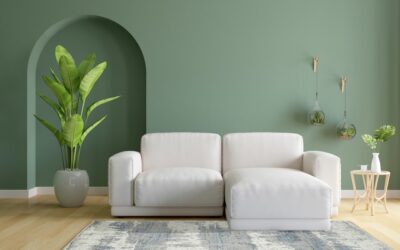
Treat the lanai like a true room. Use weather-rated furniture with quick-dry, fade-resistant cushions, add an outdoor rug to define seating zones, and bring in tropical plants that thrive in filtered light and humidity. Ceiling fans, string lighting, and an outdoor TV or kitchen turn the space into a year-round gathering spot. With the right roof, flooring, and screening, a lanai deck becomes the most-loved space in the house — open to the breeze, protected from the elements, and built to last in a warm climate.