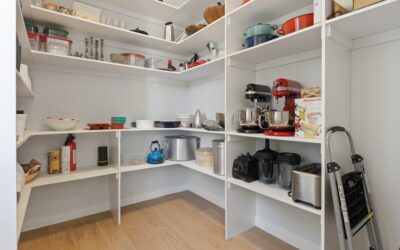
Combining two of the hardest-working rooms in the house into one is one of the smartest space plays a homeowner can make. Great laundry room pantry ideas let a single footprint handle food storage and clothes care at once, which is a gift in homes where a dedicated pantry or a spacious laundry room simply is not in the cards. When it is designed well, a laundry-pantry combo feels intentional and organized rather than like two functions crammed into a closet. When it is designed poorly, detergent ends up next to the cereal and nothing has a home.
Part of our Kitchen Remodeling guide — explore the full guide →
This guide walks through layout strategies, storage systems, appliance placement, and the design details that make a combined laundry and pantry both beautiful and genuinely functional.
- Why Combine a Laundry Room and Pantry
- Planning the Layout
- Storage Systems That Work
- The Countertop Is Your Best Friend
- Flooring and Finishes
- Lighting and Ventilation
- Small-Space Solutions
- Style It So It Feels Intentional
- Common Mistakes to Avoid
- Organizing the Pantry Zone
- Managing Moisture and Food Safety
Why Combine a Laundry Room and Pantry
These two rooms pair surprisingly well because they share requirements: both need lots of shelving, both benefit from a countertop work surface, both want durable easy-clean flooring, and both are usually tucked near the kitchen or a back entry. Merging them concentrates all that storage and utility into one efficient zone instead of scattering it. For homes off the kitchen or near a mudroom, a combined room becomes a true household command center where you fold towels, stock canned goods, and drop grocery bags in one trip.
Planning the Layout
The single most important decision is how you divide and zone the space so laundry mess and food storage stay clearly separated. A few proven layouts work well.
Side-by-Side Zones
Dedicate one wall to laundry, the washer, dryer, and a folding counter, and the opposite or adjacent wall to pantry shelving. This keeps the two functions physically distinct, which matters both for cleanliness and for mental order.
Stacked Appliances for Pantry Room
Stacking a washer and dryer frees up an entire wall or corner for floor-to-ceiling pantry storage. In a narrow room this is often the only way to fit meaningful food storage alongside the machines.
Galley Layout
In a long, narrow room, run laundry down one side and pantry shelving down the other with a walkway between. A counter over the machines bridges the two zones for folding and food prep staging.
Storage Systems That Work
Storage is the heart of this room, and mixing open and closed storage keeps it both accessible and tidy.
- Adjustable open shelving: flexible for cans, jars, and baskets; keep pantry goods at eye and reach level and laundry supplies separate on their own shelf.
- Closed cabinets: hide detergent, cleaning chemicals, and clutter behind doors, especially important to keep chemicals away from food.
- Pull-out drawers and baskets: ideal for deep pantry storage so nothing gets lost in the back.
- Clear labeled bins: corral snacks, baking supplies, and laundry pods so everything has a defined home.
- Wall-mounted rails and hooks: hang cleaning tools, ironing boards, and drying racks off the floor.
A critical rule: physically separate cleaning chemicals and detergents from food storage, ideally in a closed lower cabinet, so there is no risk of contamination or confusion.
The Countertop Is Your Best Friend
If you do one splurge in this room, make it a continuous countertop over front-loading machines. It serves double duty as a folding station and a spot to unload and sort groceries before they go into the pantry. A durable quartz or laminate surface stands up to both damp laundry and food staging. Add an upper cabinet or open shelf above it and you have a compact, hardworking core that anchors the whole room.
Flooring and Finishes
Both laundry and pantry duty demand flooring that shrugs off spills, dropped cans, and the occasional appliance leak. Luxury vinyl plank is a favorite here: it is waterproof, comfortable underfoot, and looks like wood. Tile is equally durable and easy to mop. Whatever you choose, prioritize water resistance and easy cleaning over softness. For walls, a washable semi-gloss or satin paint wipes clean when a detergent bottle drips or a jar shatters.
Lighting and Ventilation
Good lighting makes both tasks easier: you need to read canned-goods labels and spot stains on clothing. Layer bright overhead lighting with under-cabinet strips over the folding counter. Ventilation matters too, since dryers add heat and humidity that you do not want lingering around stored food. Make sure the dryer vents properly to the exterior, and consider an exhaust fan if the room lacks a window, to keep humidity from shortening the shelf life of pantry items.
Small-Space Solutions
Not everyone has a generous room to work with. Even a large closet or a section of a back hallway can pull double duty with the right approach.
- Choose a stacked or compact washer-dryer to reclaim wall space for shelving.
- Use the full height of the room; run shelving to the ceiling and store rarely used items up top.
- Install a fold-down or pull-out folding surface that tucks away when not in use.
- Mount a slim pull-out pantry cabinet in the gap beside the machines.
- Hang a tension rod or wall-mount drying rack that folds flat.
Style It So It Feels Intentional
A combined utility room does not have to look utilitarian. Coordinated basket sets, matching jars, cabinet hardware that echoes your kitchen, and a fresh paint color turn a functional space into one you do not mind being seen. Open shelving styled with tidy containers reads as curated rather than cluttered. A small rug in front of the folding counter and a piece of art or a plant soften the room and make it feel like part of the home rather than an afterthought.
Common Mistakes to Avoid
- Storing cleaning chemicals and detergent above or beside food, a safety and contamination risk.
- Skipping a countertop, which forces folding and grocery staging onto the machines or floor.
- Underestimating ventilation, letting dryer humidity shorten pantry shelf life.
- Choosing porous or moisture-sensitive flooring that fails after the first appliance leak.
- Leaving everything on open shelves so the room always looks cluttered; mix in closed storage.
Organizing the Pantry Zone
A combined room only works if the pantry side stays genuinely organized, because clutter here quickly spills into the laundry function. Group similar items together, baking supplies on one shelf, canned goods on another, snacks in a labeled bin, so everything has a defined home. Use the first-in-first-out principle for food storage, rotating older items to the front so nothing expires forgotten in the back. Deep shelves benefit from pull-out baskets or a two-tier can organizer that lets you see everything at a glance rather than stacking items you cannot reach.
Keep frequently used items at eye and reach level, and reserve the highest and lowest shelves for bulk stock and rarely used appliances. A small step stool tucked beside the machines makes the top shelves usable without cluttering the floor. Clear, labeled containers not only look tidy but also tell you at a glance when you are running low on flour, rice, or pasta.
Managing Moisture and Food Safety
The one real risk in a combined room is the dryer’s heat and humidity affecting stored food. Make sure the dryer vents fully to the exterior and that the room has either a window or an exhaust fan to clear moist air. Store moisture-sensitive dry goods like flour, sugar, and crackers in airtight containers rather than their original packaging, which protects them from both humidity and pantry pests. Keep food storage a little away from the dryer itself, using the far zone of the room for the pantry so the warmest, dampest air near the machines is not where your groceries live.
The best laundry room pantry ideas come down to thoughtful zoning, generous mixed storage, a hardworking countertop, and finishes that survive spills. Keep food and chemicals clearly separated, use every inch of vertical space, and the combined room will handle two of your home’s biggest chores in one efficient, good-looking footprint.