Formed from cooled volcanic magma, lava rock tile is one of the most distinctive natural surfaces you can bring into a home. Its dense, porous character, subtle speckling, and remarkable heat resistance set it apart from ordinary stone and manufactured tile. Whether you are drawn to the raw, organic look of natural lava stone or the vivid color of glazed lava, this material offers durability and personality in equal measure. Here is what homeowners should know before choosing it.
What Lava Rock Tile Is
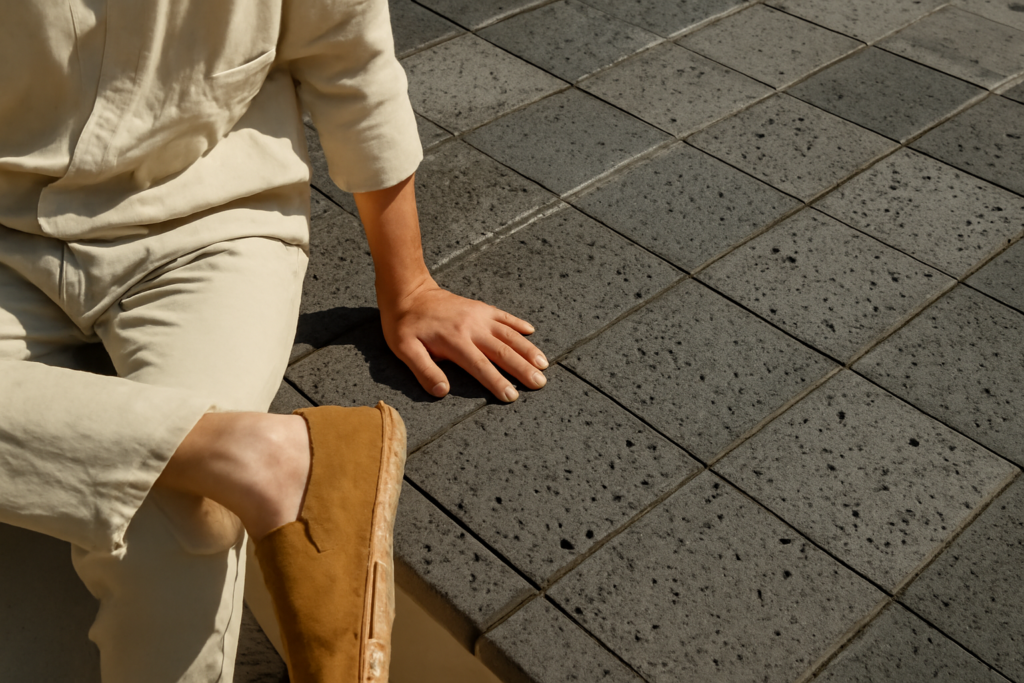
Lava rock tile is cut from basalt, the volcanic stone that forms when lava cools and solidifies. In its natural state it is dark gray to charcoal or black, dense, and dotted with tiny air pockets left by escaping gases. This gives it a slightly textured, matte surface with real depth. A premium form, often called glazed lava stone or lava stone tile, takes the natural basalt and applies a colorful enamel glaze that is fired at high temperature, producing brilliant, crackle-finished tiles in blues, greens, yellows, and other saturated colors. Both forms share the same tough volcanic core.
Natural Versus Glazed Lava Tile
Understanding the two main types helps you pick the right one for your project:
- Natural basalt tile: Dark, matte, and understated, with a raw stone look and subtle pitting. It suits modern, industrial, and minimalist spaces and works well on floors and walls.
- Glazed lava stone: The basalt is coated with a durable enameled glaze, then fired. The result is glossy, richly colored, and often features a fine crackle pattern. It is prized for countertops, backsplashes, and statement walls.
Natural lava tile leans rugged and neutral, while glazed lava becomes a bold color feature. Your choice depends on whether you want the stone to recede as a backdrop or step forward as the star.
Standout Properties
Lava rock tile earns its reputation on performance. Basalt is extremely hard and durable, resisting scratches and heavy wear. Its most famous trait is exceptional heat resistance, since the stone literally formed in fire, which makes glazed lava a favorite for outdoor kitchens, countertops near cooktops, and fireplace surrounds. The natural porosity gives it good slip resistance underfoot when unglazed, useful for pool decks and bathrooms. Basalt is also frost resistant when properly finished, so it performs outdoors in cold climates better than many stones. And because it is a genuine natural material, every tile carries slight, authentic variation.
Best Places to Use It
The material’s toughness opens up a wide range of uses. Natural lava tile works beautifully on floors in entryways, kitchens, and bathrooms, and on accent walls where its dark, textured surface adds drama. Glazed lava stone, with its vivid color and heat resistance, is a showstopper as a countertop, a kitchen backsplash, an outdoor bar top, or a table surface. Both forms suit outdoor applications like patios, pool surrounds, and fireplace facings thanks to their frost and heat resistance. In spa-style bathrooms, lava tile brings an earthy, grounding quality that pairs well with wood and greenery.
Design Ideas
Lava rock tile can anchor several distinct looks depending on how you use it:
- Modern industrial: Pair matte black basalt floors with concrete, steel, and warm wood accents.
- Mediterranean color: Use glazed lava in deep blue or green as a backsplash against white cabinetry and brass fixtures.
- Organic spa: Combine natural lava tile with teak, stone vessels, and plants for a calming bathroom retreat.
- Outdoor living: Top an outdoor kitchen with heat-proof glazed lava for a durable, colorful work surface.
What Lava Rock Tile Costs
Lava tile sits in the mid-to-premium range of natural stone. Natural basalt floor and wall tile typically runs $7 to $15 per square foot. Glazed lava stone, which involves a specialized enameling and firing process and is often imported, is considerably more expensive, frequently $50 to $150 or more per square foot for countertop-grade material, with custom colors and slabs reaching higher. Installation of standard tile adds roughly $8 to $16 per square foot, while glazed lava countertops are a specialty job priced accordingly. Because glazed lava is a luxury material, most homeowners reserve it for smaller, high-impact areas.
Sealing and Care
Care depends on which type you choose. Natural basalt is porous and benefits from sealing to resist stains and moisture, following the same routine as other natural stone: seal after installation, reseal every couple of years, and clean with a pH-neutral cleaner rather than acids. Glazed lava stone is different, because its fired enamel surface is nonporous, stain resistant, and does not require sealing. It cleans easily with mild soap and water and shrugs off heat and acidic foods, which is part of why it is prized for kitchens. In both cases, avoid harsh abrasives that could scratch the surface, and wipe spills promptly on unglazed stone.
Pros and Cons
Lava rock tile offers outstanding durability, unmatched heat resistance, frost resistance for outdoor use, good slip resistance in its natural form, and a truly unique appearance. Glazed versions add vivid, permanent color and a maintenance-free, nonporous surface. The main drawback is cost, especially for glazed lava stone, which is one of the pricier surfacing materials available. Natural basalt requires sealing and can feel cold and hard underfoot, and the dark natural color shows dust and lint more readily. Availability can also be limited, since much of the material is imported and sold through specialty suppliers.
Installation and Handling Notes
Working with lava rock tile calls for a bit more planning than ordinary ceramic, largely because of its weight and density. Natural basalt is heavy, so floors and walls need a solid, well-prepared substrate that will not flex, and larger installations may require confirming the structure can carry the load. A quality thinset rated for natural stone is essential, and because basalt is porous, sealing it before grouting prevents haze from lodging in the surface. Cutting the stone requires a wet saw with a diamond blade, since its hardness will quickly dull ordinary tools, and its density means cuts should be made slowly to avoid chipping the edges.
Glazed lava stone is a different animal at installation. Countertop and cladding applications are typically handled by fabricators experienced with the material, because the enameled slabs are both valuable and specialized. The good news is that once installed, the fired glaze is nonporous and needs no sealing, unlike natural basalt. For outdoor projects with either type, proper drainage and a stable base matter enormously, especially in freeze-prone climates, where trapped water can undermine even frost-resistant stone if it cannot drain. Whether you are laying natural basalt floor tile or commissioning a glazed lava countertop, the investment rewards careful preparation. Given the material’s cost, particularly for glazed lava stone, and the specialized tools and skills involved, most homeowners are best served by hiring an installer familiar with dense natural stone rather than attempting a large project themselves. A well-executed installation protects your investment and lets the material’s remarkable durability and character shine for decades.
Final Thoughts
Lava rock tile brings a piece of the earth’s raw energy into the home, whether as understated natural basalt or brilliantly glazed volcanic stone. Its combination of hardness, heat resistance, and distinctive texture makes it a standout for floors, walls, countertops, and outdoor living areas that see real use. If your budget allows, glazed lava stone delivers unforgettable color with almost no maintenance, while natural lava tile offers rugged beauty at a more approachable price. For homeowners who want a surface with genuine character and serious durability, lava rock tile is well worth considering.
Prefer to explore on your own?
See how new flooring looks in your actual room in seconds — free, no signup.
Try the free Floor Studio →