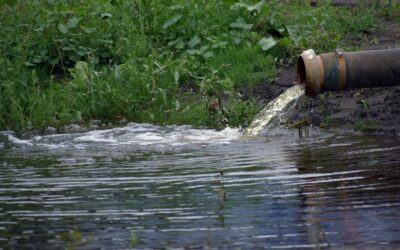
Standing water on a lawn after rain is not just an aesthetic problem — it kills grass, breeds mosquitoes, undermines foundations, and saturates basements. The fix depends entirely on where the water is coming from and where it can go. Lawn drainage systems range from simple regrading at $500 to full underground French drain networks at $5,000, and choosing the right one means accurately diagnosing whether the problem is surface flow, subsurface saturation, or downspout discharge.
The single most common mistake is throwing more drainage at a problem that is really a grading issue. A 2-degree slope correction fixes more wet yards than any pipe ever installed.
- Diagnose Before You Dig
- Regrading: The Cheapest Fix
- French Drains: For Subsurface Water
- Channel Drains: Surface Water at Driveways
- Dry Wells: When You Have No Outlet
- Swales: The Landscape Approach
- Downspout Solutions
- Pop-Up Emitters and Daylight Outlets
- Permits and Code Considerations
- Maintenance to Keep Drains Working
Diagnose Before You Dig
Walk the yard 24 hours after a heavy rain. Mark every wet spot with a flag. Note where water enters (downspouts, neighbor’s yard, surface runoff from a slope) and where it would naturally exit if not blocked. Most drainage problems trace back to one of four causes:
- Negative grading — soil slopes toward the house instead of away
- Concentrated downspout discharge dumping in one spot
- Compacted clay soil that does not absorb water
- Natural low spots that need a managed exit path
The right fix depends on the cause. A French drain in a regrading problem just creates a wet trench.
Regrading: The Cheapest Fix
Building code requires at least 6 inches of fall in the first 10 feet from any foundation — about a 5 percent slope. Many older homes have settled to neutral or negative grading. Fix by adding topsoil along the foundation, sloping outward, and reseeding. A 50-foot foundation wall typically needs 3 to 5 cubic yards of soil ($45 per yard delivered) plus 10 pounds of grass seed ($25). Total cost runs $250 to $500 for materials, two weekends of work.
For larger areas with broad low spots, hire a landscape company with a small skid steer to regrade. Expect $0.50 to $2 per square foot depending on volume of fill needed. Always slope toward a natural exit — a street, swale, or dry-well terminus.
French Drains: For Subsurface Water
A French drain is a perforated pipe buried in a gravel-filled trench that collects subsurface water and channels it away. Use one when the soil itself stays saturated — water visible at the surface even when no rain has fallen for a week.
Standard residential French drain specs: 10-inch wide trench, 18 to 24 inches deep, 4-inch perforated PVC pipe wrapped in landscape fabric, surrounded by 3/4-inch washed gravel up to within 4 inches of the surface. Top with fabric and topsoil. Slope the pipe at minimum 1 percent (1 inch of fall per 10 feet of run) toward a daylight outlet or dry well.
Cost: $25 to $50 per linear foot for DIY materials, $50 to $100 per foot installed by a contractor. A typical 60-foot residential French drain installation runs $1,500 to $6,000 finished.
Channel Drains: Surface Water at Driveways
Channel drains (also called trench drains) are linear surface grates set in concrete that capture sheet flow from driveways, patios, and pool decks. Use NDS Mini Channel or EZ Drain pre-sloped channel ($35 per 4-foot section) when water flows across a paved surface and needs immediate capture before it reaches the lawn or foundation.
Install across the bottom of a driveway slope or at the transition between patio and lawn. Connect to 4-inch solid PVC pipe that runs to a daylight outlet, dry well, or stormwater system (if local code permits). Set the grate flush with surrounding surface so it does not become a trip hazard.
Dry Wells: When You Have No Outlet
A dry well is a buried pit filled with gravel (or a manufactured chamber like the Flo-Well or NDS EZflow) that holds collected water until it slowly percolates into surrounding soil. Use a dry well when there is no daylight outlet on the property — common in flat lots and lots that abut neighbor’s higher ground.
A typical residential dry well is 4 feet wide by 4 feet deep, filled with #57 gravel and capped with filter fabric and topsoil. Capacity is about 200 gallons. Connect downspout pipes or French drains to feed the well. The well must be sized for the volume of water it will receive — generally 1 cubic foot of gravel storage per 100 square feet of impervious surface draining into it.
Dry wells fail in heavy clay soil because surrounding soil cannot absorb water fast enough. Test percolation by digging a 12-inch hole, filling with water, and timing how long it takes to drain. If water is still standing after 24 hours, clay is the problem and a dry well will not work — you need a daylight outlet instead.
Swales: The Landscape Approach
A swale is a shallow, vegetated channel that conveys water across a yard slowly, allowing infiltration along the way. Build one by excavating a 12 to 18-inch deep channel about 4 to 6 feet wide with gently sloping sides. Seed with deep-rooted grasses (native fescues or sedges) that tolerate periodic wetness.
Swales work beautifully on sloped lots where you want to manage water naturally without burying pipes. Cost is mostly grading labor — $500 to $2,000 for a 50-foot swale depending on volume of soil moved. Add river-rock decoration along the swale bottom for visual interest and erosion control in the steepest zones.
Downspout Solutions
A typical home’s downspouts discharge 600 to 1,800 gallons per inch of rainfall depending on roof area. Concentrating that flow in one spot creates instant drainage problems. Three fixes:
Splash blocks ($12 each) are the cheapest but only move water 2 to 3 feet from the foundation. Adequate for sandy soil and slight grades.
Buried downspout extensions running 10 to 20 feet to a daylight outlet move water away from the house and prevent foundation saturation. Use 4-inch solid PVC pipe ($18 per 10-foot section), pitched at 2 percent minimum. Tie multiple downspouts together if their outlets are in the same direction.
Rain barrels capture 50 to 100 gallons of downspout discharge for garden use. The FCMP RC4000 ($110) is a reliable choice. Overflow still needs to go somewhere — connect to a buried pipe or splash block.
Pop-Up Emitters and Daylight Outlets
Where buried drain pipes terminate in a lawn, use a pop-up emitter (NDS PopUp, $18) that opens under water pressure and closes when dry. This prevents mulch, leaves, and rodents from clogging the pipe. Set the emitter at the lowest point of the run with at least 1 percent grade leading to it.
If terminating at a swale, hillside, or street curb, use a flared outlet protector (NDS 4-inch Flared End, $14) with rip-rap stone around it to prevent erosion at the discharge point.
Permits and Code Considerations
Most counties allow homeowner-installed drainage on private property without permits, provided the discharge does not flow onto a neighbor’s property or into a public stormwater system without permission. Connecting a French drain to municipal storm sewer requires a permit and inspection in most jurisdictions.
Always call 811 before digging. Buried utility lines (gas, electric, communications) can be as shallow as 12 inches. Hitting one with a shovel or trencher is expensive and dangerous.
Maintenance to Keep Drains Working
French drains last 10 to 40 years before sediment clogs them. Extend life by installing a cleanout port (a vertical capped pipe at the highest point) so the system can be jetted with water pressure if it slows.
Channel drains need quarterly cleaning — leaves and debris collect in the grate. Pop out the grate, scoop debris, hose clean.
Dry wells eventually silt in over decades. Rebuilding is possible but expensive; install a sediment chamber upstream to extend the well’s life by 5 to 10 years.