Good lawn mower storage is the difference between a machine that fires on the first pull in April and one that sputters, floods, and eats a $90 shop visit. Most mower problems in spring don’t come from wear. They come from what got skipped in fall, and the biggest culprit is fuel left sitting in the tank all winter.
Whether you run a $250 push mower or a $3,000 zero-turn, the storage principles are the same. Deal with the fuel, protect the battery, keep moisture off bare metal, and stash it where it isn’t in the way. Here’s how to do each step without overthinking it.
Deal With the Fuel First
Gasoline is the number one killer of stored mowers. Modern pump gas contains ethanol, which attracts water and starts breaking down in about 30 days. Left over winter, it turns to a varnish that gums up the carburetor jets, and that’s the flooded, no-start engine you fight every spring.
You have two solid options:
- Stabilize it. Add fuel stabilizer (Sta-Bil, Sea Foam, and similar run about $8 to $12) at the label dose, fill the tank nearly full to limit condensation, then run the engine five to ten minutes so treated fuel reaches the carburetor. A full, stabilized tank stores well for up to a year.
- Drain it dry. Run the tank empty, or siphon it, then start the engine and let it burn off whatever is left in the carburetor bowl until it stalls. A dry fuel system can’t gum up.
Both work. Draining is the surest defense against carburetor varnish; stabilizing is easier and keeps the engine ready to run. Pick one, but never leave untreated gas sitting all winter.
Battery Care for Riding and Cordless Mowers
Batteries hate cold and hate sitting discharged even more. A lead-acid riding-mower battery that freezes while low can crack or lose capacity for good.
- Riding mowers: disconnect the negative terminal, or pull the battery entirely and store it somewhere above freezing, ideally 40°F to 60°F. Put it on a smart trickle charger or maintainer (about $25 to $40) so it holds full charge without overcharging.
- Cordless electric mowers: follow the manufacturer’s spec, but most lithium packs store best at roughly 40 to 60 percent charge in a cool, dry, room-temperature spot. Do not leave them on the charger all winter and do not store them dead. Bring the pack indoors; a freezing garage shortens lithium life.
Clean any corrosion off the terminals with a baking soda paste and a wire brush before you put a lead-acid battery away. Corroded terminals only get worse over a long idle.
Winterize the Rest of the Machine
With fuel and battery handled, spend twenty minutes on the mechanicals so spring startup is clean:
- Change the oil. Used oil holds acids and moisture that corrode the engine over months of sitting. Fresh oil in fall is cheap insurance.
- Clean the deck. Scrape caked grass from the underside. Wet clippings hold moisture against steel and rot the deck from the inside out.
- Pull or protect the spark plug. Some owners squirt a little fogging oil into the cylinder and pull the starter once to coat the walls. Optional, but nice on older engines.
- Sharpen or note the blade. Off-season is the perfect time to sharpen or replace a dull blade so you’re not doing it on the first mow.
- Check the air filter. Replace a filthy paper filter now so it’s ready in spring.
Preventing Rust and Moisture Damage
Rust is a slow enemy that thrives on bare metal and trapped humidity. A few habits stop it cold:
- Store the mower on a dry surface, not directly on bare concrete or dirt that wicks moisture. A rubber mat or a scrap of plywood helps.
- Wipe a light coat of oil or silicone spray on the mower deck, blade, and exposed metal.
- Skip the tight plastic tarp. Sealed plastic traps condensation against the machine. Use a breathable cover or none at all in a dry garage.
- In a damp shed, a small container of desiccant or a low-watt garage dehumidifier makes a real difference.
Shed vs. Garage: Where Should It Live?
Both work, with trade-offs. A garage is drier, warmer, and easier on the battery and fuel system, but mowers there compete with cars and gear for space. A shed frees the garage but usually swings through wider temperature and humidity extremes, so moisture control matters more.
Wherever it lands, remember mowers hold gasoline and give off fumes. Keep the machine away from any open flame or pilot light, such as a gas water heater or furnace in the garage. Give it a few feet of clearance and good airflow.
Space-Saving and Vertical Storage
Storage isn’t only about protection; a mower that swallows floor space is a mower that gets stored badly. Some options for tight garages:
- Vertical wall mounts: many walk-behind push mowers are designed to hang or stand vertically, freeing a big chunk of floor. Check your manual first. You can only tip a mower up if the fuel and oil won’t leak into the cylinder or air filter, and many manufacturers specify which way is safe. Draining the fuel first makes vertical storage worry-free.
- Wall hooks and shelving: get the string trimmer, blower, and hand tools off the floor so the mower has a clear parking spot.
- Fold-down handles: most push mowers have handles that fold flat, cutting the footprint by a third.
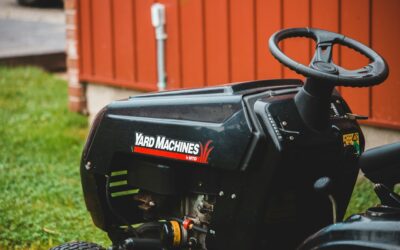
- Riding mowers: these can’t go vertical, so plan a dedicated corner and back it in so it rolls straight out in spring.
Spring Startup: The Payoff
Do the fall work and spring is easy. Reconnect and reinstall the battery, check the oil level, confirm fuel is fresh (if you stabilized) or add fresh gas (if you drained), reinstall the spark plug, and check tire pressure on riders. Give the deck a quick look for any rodent nests. Then start it.
The most common mistake is treating a mower like a tool you can just walk away from in October. Fuel gums up, batteries die, and metal rusts on their own schedule while it sits. Thirty minutes of proper lawn mower storage in fall saves you the frustration, and often the repair bill, when the grass starts growing again.
Keeping Rodents Out
Cold weather sends mice looking for shelter, and a stored mower is a five-star hotel. They nest in the engine housing, chew wiring and fuel lines, and pack the exhaust and air intake with bedding. A wiring repair on a riding mower can run well over $100, and it’s entirely preventable.
- Stuff a rag or steel wool loosely into the exhaust outlet and air intake, then hang a tag on the handle so you remember to pull it before startup.
- Don’t store the mower next to pet food, birdseed, or grass-seed bags. You’re advertising a food source right next to the nest.
- Set a few traps or peppermint-oil packs around the machine if your garage or shed has a rodent history.
- In spring, look under the deck and inside the housing for nests before you crank the engine.
A simple fall checklist. If you remember nothing else, work through this short list before the first hard freeze and you’ll be in good shape:
- Stabilize the fuel and run the engine, or drain the tank and carburetor dry.
- Change the oil and swap a dirty air filter.
- Disconnect or pull the battery and put it on a maintainer; bring lithium packs indoors.
- Scrape the deck clean and wipe bare metal with a light oil coat.
- Sharpen or replace the blade.
- Block the exhaust and intake against rodents.
- Park it on a dry surface under a breathable cover, clear of any flame or pilot light.
None of this takes special tools, and the whole routine runs about half an hour once you’ve done it once. Compare that to a spring morning spent yanking a starter cord on a flooded engine, and the trade is easy. Treat the end of mowing season as a quick tune-out, and next season starts on your terms instead of the mower’s.