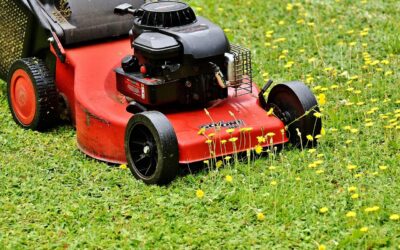
A lawn mower tractor is the workhorse for properties too large for a push mower, cutting acres in a fraction of the time while towing carts, spreaders, and more. With many deck sizes, engines, and transmissions available, choosing the right one takes some know-how. This guide walks through every consideration.
- What Is a Lawn Tractor?
- Deck Size and Cutting Width
- Engine Power and Types
- Transmission Choices
- Lawn Tractor vs. Garden Tractor
- Attachments and Versatility
- How to Choose the Right Tractor
- Comfort and Convenience Features
- Pricing Expectations
- Maintenance Schedule
- Common Mistakes to Avoid
- Cutting Height and Grass Health
- Mulching, Bagging, and Discharge
- Battery and Electrical Care
- Warranty and Buying Tips
- Storage and Winterizing
- Frequently Asked Questions
- Final Thoughts
What Is a Lawn Tractor?
A lawn tractor is a ride-on mower with a front-mounted engine, a mid-mounted cutting deck, and a steering wheel. Unlike zero-turns that pivot in place, lawn tractors steer like a car, offering stability on slopes and strong towing ability. They bridge the gap between small push mowers and heavy garden tractors, making them the most popular riders for suburban and rural homes.
Deck Size and Cutting Width
Cutting deck width sets your mowing pace. A 42-inch deck suits lawns up to about an acre, a 46 to 48-inch deck handles one to two acres, and 54-inch decks cover two to three acres efficiently. Wider decks finish faster but need more storage room and turning space. Match the deck to your lawn size and the tightest area you must maneuver around obstacles.
Engine Power and Types
Lawn tractor engines range from about 18 to 25 horsepower, sourced from Briggs & Stratton, Kohler, and Kawasaki. Single-cylinder engines suit flat, smaller lawns, while twin-cylinder V-twins run smoother and handle hills, thick grass, and towing better. More horsepower is not always necessary; a well-matched 20 to 24 HP twin covers most residential mowing without strain.
Transmission Choices
Transmission type affects ease of use. Hydrostatic transmissions let you change speed smoothly with a pedal, no shifting required, and dominate modern tractors. Automatic and CVT variants offer similar convenience. Older gear-drive units require stopping to shift and are cheaper but less pleasant to operate. For comfort and towing, hydrostatic is the clear winner and worth the modest premium.
Lawn Tractor vs. Garden Tractor
Garden tractors look similar but use heavier frames, larger engines, and stronger transmissions built for ground-engaging attachments like plows and tillers. Lawn tractors focus on mowing and light towing. If you only mow and haul a cart, a lawn tractor suffices. If you need to till gardens or move soil, step up to a garden tractor for the added durability.
Attachments and Versatility
One of the biggest advantages of a lawn tractor is year-round versatility. With the right hitch, you can add baggers, mulching kits, tow-behind carts, aerators, dethatchers, spreaders, and even snow blades or blowers. This turns a single machine into a four-season property tool. Confirm attachment compatibility with your specific model before buying accessories.
How to Choose the Right Tractor
Start by measuring your lawn and noting slopes and obstacles. For a half to one acre, a 42-inch, 18 to 20 HP tractor works. For one to two acres, choose a 46 to 48-inch deck with a V-twin. For three-plus acres or heavy towing, go larger or consider a garden tractor. Also factor in storage space, since a wide-deck tractor needs a sizable shed or garage bay.
Comfort and Convenience Features
Higher trims offer adjustable high-back seats, cruise control, cup holders, LED headlights, and electric blade engagement via a switch instead of a lever. Fabricated steel decks resist damage better than stamped decks. On a two-acre lawn, comfort features reduce fatigue meaningfully, so weigh them against price rather than dismissing them as luxuries.
Pricing Expectations
Entry lawn tractors start around $1,600 to $2,200. Mid-range models with V-twin engines and larger decks run $2,400 to $3,500. Premium and garden tractors climb toward $4,000 and beyond. Attachments add several hundred dollars each. Buying more tractor than you need wastes money, so let your acreage and terrain, not marketing, guide the purchase.
Maintenance Schedule
Change the engine oil after the first 5 to 8 break-in hours, then every 50 hours or annually. Replace the air filter and spark plug yearly, sharpen or replace blades each season, and grease the spindles and steering. Keep tire pressures even for a level cut, check the drive belt, and clean grass buildup from under the deck after mowing to prevent rust.
Common Mistakes to Avoid
Do not mow across steep slopes where a tractor can tip; mow up and down instead. Avoid cutting wet grass, which clogs the deck and clumps. Never skip the break-in oil change, mow with dull blades, or store the machine over winter with untreated gas that gums the carburetor. Also avoid overloading the towing hitch beyond its rated capacity.
Cutting Height and Grass Health
Lawn tractors adjust cutting height through a lever, typically from about 1.5 to 4 inches across several positions. Mowing taller, around 3 to 3.5 inches, produces deeper roots, better drought tolerance, and fewer weeds, while scalping stresses the turf and invites bare patches. Follow the one-third rule, never removing more than a third of the blade height in a single pass, which keeps grass healthy and prevents the deck from clogging with heavy clippings during peak growth.
Mulching, Bagging, and Discharge
Most lawn tractors support three cutting modes. Mulching chops clippings finely and returns them as free nitrogen fertilizer, ideal for regular mowing of dry grass. Bagging collects clippings for a pristine finish or leaf cleanup but requires emptying. Side discharge handles tall, heavy growth without clogging. Choosing the right mode for conditions keeps your lawn healthy and your deck clean, and swapping between them usually takes only a few minutes.
Battery and Electrical Care
The 12-volt battery starts the engine and powers the electric clutch and lights, and it is a frequent failure point after winter storage. Keep the terminals clean and tight, connect a trickle charger during long idle periods, and replace a battery that struggles to crank. Cold weather saps starting power, so a marginal battery that worked in fall often dies in spring. Testing it before the season prevents a frustrating no-start on the first warm mowing day.
Warranty and Buying Tips
Residential lawn tractors usually carry limited warranties of two to three years, with some brands extending coverage on the frame or transmission. Register your machine and keep service records to protect the warranty. Buy from a dealer that offers local service and parts if you value support over the lowest price, and shop end-of-season sales in fall when retailers discount current models to clear inventory before the next year’s lineup arrives.
Storage and Winterizing
Before storage, add fuel stabilizer and run the engine to circulate it, or drain the tank fully. Change the oil, clean the deck, and remove or trickle-charge the battery to prevent discharge. Store under cover away from moisture. Proper winterizing prevents the number-one spring headache of a machine that will not start after months of sitting idle.
Frequently Asked Questions
What is the difference between a lawn tractor and a garden tractor?
A garden tractor has a heavier frame, larger engine, and stronger transmission for ground-engaging attachments, while a lawn tractor focuses on mowing and light towing.
What deck size do I need?
A 42-inch deck suits up to an acre, 46 to 48 inches covers one to two acres, and 54 inches handles larger lots.
Is hydrostatic transmission worth it?
Yes; it changes speed smoothly with a pedal and is far easier to use than gear-drive.
How long does a lawn tractor last?
With proper maintenance, 10 to 15 years is common.
Can it tow a trailer?
Yes, within its rated hitch capacity, and it accepts carts, spreaders, and aerators.
When is the best time to buy?
Late fall, when dealers discount current models to clear inventory.
Final Thoughts
A lawn mower tractor is the right tool when your property outgrows a push mower and you value stability, towing, and attachment versatility. Match deck size, engine, and transmission to your acreage and terrain, choose hydrostatic drive for comfort, and stay on top of blade and oil maintenance. With proper care, one tractor keeps a large yard sharp for many seasons.