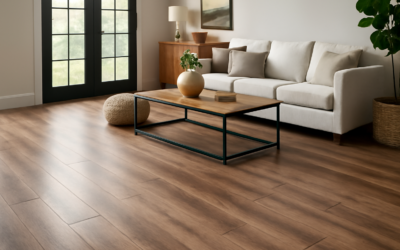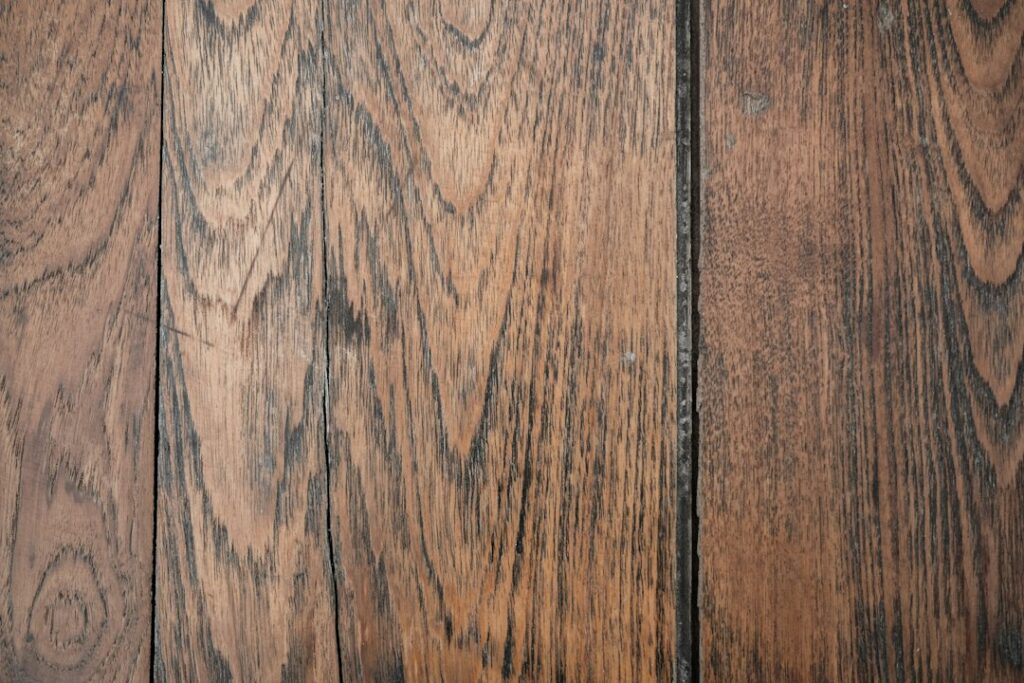
Lifeproof Essential Oak is a classic-style, wood-look rigid core vinyl plank with an embossed texture and a low-gloss sheen. Listings place it in a brown color family and give it a narrower, thinner build than many of the line’s newer colors: about 7.1 inches wide by 47.6 inches long and 6.5 mm thick, with a 6 mil wear layer and a pre-attached pad. It is the budget-minded, everyday oak of the group.
Part of our Roofing guide — explore the full guide →
That spec sheet tells you who it suits. Bedrooms, offices, guest rooms and rental units with light foot traffic get a waterproof, quiet floor at a modest price. Busy kitchens, homes with large dogs and entryways that see grit every day are better served by a thicker wear layer, which is where Fresh Oak and Sterling Oak usually enter the conversation.
Shoppers often type it as “life proof essential oak,” and most are deciding between it and those two neighbors. The comparison table that follows puts them side by side so you can see the real differences before you order samples.
Lifeproof Essential Oak Specs at a Glance
These figures come from current product listings for the click-lock plank. Match the model number on your carton to the spec sheet, because colors in this line are sold in more than one build.
| Spec | Value | What it means |
|---|---|---|
| Plank size | About 7.1 in x 47.6 in | A traditional plank width that suits smaller rooms |
| Thickness | 6.5 mm including pad | Slightly thinner than the 7 mm planks in the line |
| Wear layer | 6 mil | Entry-level protection; best for light to moderate traffic |
| Finish and edge | Embossed, low gloss, straight edge | Straight edges give a tighter, more continuous look than beveled planks |
| Color family | Brown, classic style | A traditional oak look rather than a gray or whitewashed one |
| Coverage | About 18.73 sq ft per case | A 150 sq ft bedroom needs about 9 cases with 10% waste |
| Warranty | Lifetime limited residential (check the carton for commercial terms) | Materials only, when installed per the instructions |
| General price range | Roughly $3 to $4.50 per sq ft for material | Usually at the lower end of the line’s pricing |
Availability can be patchy. Some listings now show this color mainly in pallet quantities, which can be a sign that a colorway is being phased down. If you need extra cases for future repairs, buy them with the original order and confirm the current spec sheet before you commit.
Essential Oak vs Fresh Oak vs Sterling Oak
All three are wood-look rigid core planks from the same line with pre-attached pads and the same installation rules. The differences come down to plank size, wear layer options and color direction.
| Feature | Essential Oak | Fresh Oak | Sterling Oak |
|---|---|---|---|
| Color direction | Brown, classic oak | Natural mid-tone oak | Cooler, gray-leaning oak |
| Plank width | About 7.1 in | About 8.7 in | About 8.7 in |
| Thickness | 6.5 mm | 7 mm | Check current spec sheet |
| Wear layer | 6 mil | 6, 22 or 30 mil by SKU | Varies by SKU |
| Best for | Bedrooms, offices, rentals | Kitchens, living areas, family rooms | Modern gray or cool-toned schemes |
When Essential Oak is the better buy
Pick it when budget matters, traffic is light and you like a traditional brown oak. The narrower plank also suits small rooms and hallways, where very wide boards can look oversized.
When Fresh Oak makes more sense
Choose Fresh Oak when you want wider boards and, most of all, a 22 or 30 mil wear layer for a kitchen or a home with pets. The extra thickness and wear protection justify the higher cost in busy rooms.
When Sterling Oak fits
Homeowners usually describe Sterling Oak as a gray oak. It suits cool palettes with white, gray or black finishes. Check its current wear layer and plank size on the spec sheet, since those vary by version.
Pros and Cons of Lifeproof Essential Oak
Pros
- Price: one of the more affordable ways into a waterproof, padded rigid core floor.
- Waterproof core: spills and pet accidents will not swell the planks.
- Pre-attached pad: no separate underlayment to buy, and a quieter floor.
- No residential acclimation: the installation instructions allow installing the day the cases arrive.
- Classic look: a brown oak that works with traditional and transitional furniture.
Cons
- Thin wear layer: 6 mil scratches sooner than 22 mil floors under pets, rolling chairs and grit.
- Narrower boards: more seams and more rows to install than 8.7 inch planks.
- Possible limited supply: getting matching cases years later may be hard.
- Sun sensitivity: the maker warns that long direct sun can fade or buckle the floor.
- Install limits: stairs, walls, glue-down installs and non-climate-controlled rooms void the warranty.
Who Essential Oak Suits Best
Think about how a room is used before you think about color. A guest bedroom that sees a few visitors a year, a home office with a chair mat, or a kids’ bedroom with soft toys and socked feet will treat a 6 mil wear layer kindly for many years. Those are the rooms where Essential Oak delivers the most value per dollar.
Landlords and house flippers also like it for a practical reason: a waterproof floor with an attached pad and no acclimation period lets a unit be turned around quickly, and the classic brown oak look appeals to a broad range of tenants and buyers. Keep a few spare cases on hand for repairs, since replacing a damaged plank in a floating floor is straightforward if you have matching stock.
It is a weaker match for front entries, busy kitchens and homes with large, active dogs. Grit carried in on shoes acts like sandpaper, and a thin wear layer shows it sooner. In those spaces, spend the extra on a 22 mil plank and save Essential Oak for the quieter rooms of the house.
How to Install Essential Oak
Like the rest of the line, Essential Oak is a floating floor. It is never glued, nailed or screwed to the subfloor. Work in this order:
- Test old flooring. Vinyl, tile and black mastic adhesive installed before the 1980s should be tested for asbestos before removal.
- Check flatness: 1/4 inch over 10 feet, no slope steeper than 1 inch per 6 feet and no sudden ridges.
- Test concrete for moisture; listed limits are 85% relative humidity or 8 pounds MVER.
- Set 1/4 inch spacers at walls, cabinets and other fixed objects for the expansion gap.
- Cut by score and snap with a utility knife and straight edge, then back-cut the pad. A vinyl plank flooring cutter handles repeated crosscuts quickly and without dust.
- Stagger end joints at least 8 inches and vary the offsets so no stair-step pattern appears.
- Mix planks from several cases to spread color variation.
- Add transitions at doorways as needed and on any run over 100 lineal feet.
Order about 10% extra for waste, plus a spare case. Keep the room between 50 and 100°F, and do not add any extra underlayment.
Troubleshooting and Care
Fine scratches in walkways are the usual complaint with a 6 mil floor. Put felt pads on every furniture leg, use a chair mat under rolling office chairs and lay mats at exterior doors to catch grit.
Gaps opening at end joints usually mean the floor is pinned somewhere, or the room is getting too hot or cold. Check that trim is nailed to the wall, not the floor, and that the space stays within the approved temperature range.
A soft or hollow spot means a dip in the subfloor. Lift the rows, fill the low area with patching compound and reinstall.
Routine cleaning is simple: dust mop or vacuum on a hard-floor setting, then damp mop with a pH-neutral cleaner. No wax, no oil soaps, no steam.
Cost to Buy and Install
Material for Essential Oak generally falls around $3 to $4.50 per square foot. Professional installation of floating vinyl plank typically adds roughly $2 to $5 per square foot. For a 150 square foot bedroom with simple prep, that works out to roughly $750 to $1,425 installed, before baseboards, quarter round and transitions. Subfloor leveling and old floor removal add to the total.
When to Call a Pro
Most DIYers can float a bedroom of Essential Oak in a day. Hire an installer if the subfloor needs significant leveling, if concrete moisture readings are high, if you suspect asbestos in the old flooring (use a licensed abatement contractor) or if the layout includes many doorways, closets and angled walls that call for careful planning.
Lifeproof Essential Oak FAQ
What color is Lifeproof Essential Oak?
Listings put it in a brown color family with a classic oak style, an embossed texture and a subtle low-gloss sheen. View a sample in your own light, since photos vary.
What is the wear layer on Essential Oak?
Current listings show a 6 mil wear layer. That suits light to moderate traffic; busy kitchens and homes with large pets do better with 22 mil or more.
Is Essential Oak the same as Fresh Oak?
No. Essential Oak is a narrower, 6.5 mm plank with a classic brown oak look, while Fresh Oak is a wider, 7 mm plank sold with several wear layer options.
Is Lifeproof Essential Oak waterproof?
Yes, the rigid core is waterproof. Still wipe up standing water quickly so it does not reach the subfloor at the edges.
Does Essential Oak need underlayment?
No. It has a pre-attached pad, and adding another underlayment can void the warranty.
Is Lifeproof Essential Oak discontinued?
Availability appears limited in some places, with listings showing mainly pallet quantities. Confirm current stock and buy spare cases with your order.
Prefer to explore on your own?
See how new flooring looks in your actual room in seconds — free, no signup.
Try the free Floor Studio →