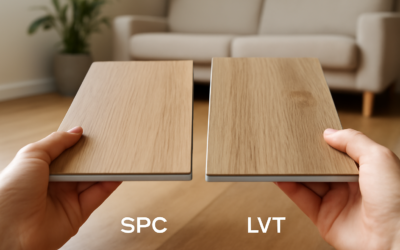
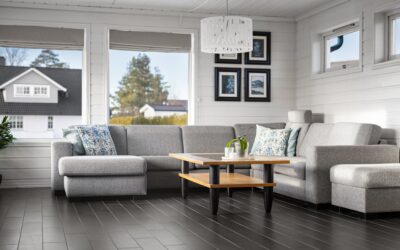
If you want the warm, open feeling of real wood without the upkeep or the cost, light oak LVP is one of the smartest flooring choices on the market today. Luxury vinyl plank that mimics pale, blonde oak has exploded in popularity because it suits almost every design style, hides dust and minor scuffs better than darker floors, and stands up to everyday family life.
This guide walks you through what light oak LVP actually is, how much it costs, where it works best, and how to install and care for it so your floor still looks great a decade from now. Whether you are renovating a single room or flooring an entire home, you will leave knowing exactly what to look for.
What Is Light Oak LVP?
LVP stands for luxury vinyl plank, a multi-layer synthetic flooring built to look and feel like a wood board. A high-resolution printed image layer captures the grain, knots, and color variation of natural oak, while a clear wear layer on top protects against scratches and stains. Beneath that sits a rigid or flexible core and, often, an attached underlayment pad.
The “light oak” part refers to the visual: a pale to medium-blonde tone that ranges from creamy whitewashed boards to soft honey and natural sandy browns. These lighter shades reflect more light, which makes rooms feel larger and brighter. That is a big reason designers reach for them in small apartments, north-facing rooms, and open-concept layouts.
Why Choose Light Oak Over Darker Floors?
Color does more than set a mood. Lighter floors are far more forgiving in daily use. Dust, pet hair, crumbs, and dried footprints all show up dramatically on dark, glossy planks, while a light oak surface camouflages most of it between cleanings. For busy households, that translates to less visible mess and less obsessive sweeping.
Light oak also pairs with a wider range of wall colors, cabinets, and furniture. It reads as modern in a minimalist Scandinavian room and as cozy in a farmhouse kitchen. Because the tone is neutral, you are far less likely to feel locked into a single decor scheme, and the floor is unlikely to look dated in a few years.
Cost of Light Oak LVP
Pricing varies with wear-layer thickness, core type, and brand reputation. As a general estimate, expect the following ranges for the material alone:
- Budget peel-and-stick or thin click planks: roughly $1.50 to $2.50 per square foot
- Mid-range rigid-core (SPC/WPC) planks: roughly $2.50 to $5.00 per square foot
- Premium thick-wear-layer or waterproof designer lines: roughly $5.00 to $8.00 per square foot
Professional installation typically adds another $1.50 to $4.00 per square foot depending on your region, subfloor condition, and how much prep is involved. These are estimates only; always get local quotes, because labor rates and product availability shift constantly.
Durability and Where It Works Best
Quality light oak LVP is one of the toughest floors you can put in a home. Rigid-core (SPC) planks resist dents from furniture and heavy foot traffic, and most lines are fully waterproof, which makes them a strong pick for kitchens, bathrooms, laundry rooms, and basements where solid hardwood would warp.
The wear layer is the single most important durability spec. A 12-mil layer suits light residential use, 20-mil handles busy families and pets, and 22-mil or thicker is rated for commercial abuse. If you have large dogs or a high-traffic entry, do not skimp here. One honest limitation worth noting: very pale floors can show deep scratches as a lighter line because the colored print layer is thin, so a robust wear layer matters even more with blonde tones.
How to Install Light Oak LVP
Most modern light oak LVP uses a floating click-lock system, meaning the planks snap together and rest on top of the subfloor without glue or nails. This makes it one of the more DIY-friendly floors available. Here is the general process:
- Acclimate the planks in the room for 24 to 48 hours so they adjust to temperature and humidity.
- Clean and level the subfloor; flatten high spots and fill low areas, since lumps telegraph through thin planks.
- Lay an underlayment if the planks do not have one attached.
- Start along the longest, straightest wall and leave a quarter-inch expansion gap around the perimeter.
- Stagger end joints by at least 6 inches for a natural look and a stronger floor.
- Trim the final row to fit and install baseboards or quarter-round to cover the expansion gap.
Always follow the manufacturer’s printed instructions, since core types and locking systems differ. If your subfloor is badly uneven, has moisture issues, or you are tiling a large open area, hiring a professional installer is money well spent and usually protects the product warranty.
Caring for Your Light Oak Floor
Maintenance is refreshingly simple. Sweep or dry-dust regularly to keep grit from acting like sandpaper, and damp-mop with a cleaner formulated for luxury vinyl. Avoid harsh abrasives, steam mops, and oil-based or wax products, all of which can dull or damage the wear layer.
Protect the floor with felt pads under furniture legs and a doormat at entries to catch grit and water. Lift heavy items rather than dragging them. With these habits, a good light oak LVP floor can easily look fresh for 15 to 25 years.
Choosing the Right Light Oak Plank
When you compare products, weigh four things: wear-layer thickness for your traffic level, core type for your subfloor and moisture conditions, plank width and length for the look you want, and the realism of the surface texture. Embossed-in-register texturing, where the grain you feel lines up with the grain you see, looks dramatically more like real wood than a flat printed plank.
Order a few samples and view them in your own room at different times of day, since lighting changes how blonde tones appear. The right light oak LVP should feel like a natural fit for your space, hold up to your household, and stay within a budget you are comfortable with. Take your time with samples and you will land on a floor you enjoy for years.
Prefer to explore on your own?
See how new flooring looks in your actual room in seconds — free, no signup.
Try the free Floor Studio →