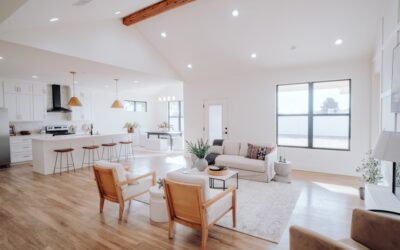
Open any 2026 design magazine and the floors are pale. Whitewashed oak, blond maple, raw-look ash. Light wooden flooring has dethroned the dark espresso and walnut tones that dominated the 2010s, and the shift is more than aesthetic. Lighter floors hide dust, scratches, and pet hair far better than dark stains, and they make rooms feel substantially larger. The trade-off is that warm yellow undertones and direct sun can change the floor’s color over time, so species selection and finish choice matter more than they did when everyone was buying espresso.
This guide covers the species that work, the finishes that hold up, and the prices to expect.
- Why Light Floors Are Trending
- Best Species for Light Wooden Flooring
- Pros of Light Wooden Flooring
- Cons to Consider
- Finish Options That Keep It Light
- Pricing Per Square Foot
- Best Rooms for Light Wood Floors
- Design Pairings That Work
- Installation Method Selection
- Maintenance to Keep It Looking Bright
- Final Verdict
Why Light Floors Are Trending
Three forces drove the shift. First, open floor plans with abundant glazing demand a floor that does not absorb the light. Second, the Scandinavian and Japandi design movements built their entire visual language around pale woods. Third, hybrid work life means people spend more daylight hours at home and want bright, airy spaces.
The practical case is just as strong. A pale floor hides dust between cleanings and shows scratches less than dark stains, where every nick exposes the lighter wood underneath.
Best Species for Light Wooden Flooring
Some woods are naturally pale; others need bleaching or whitewashing to get there. The reliable options:
- White oak: The market leader. Naturally light tan, takes a wide range of finishes from natural to whitewash.
- European white oak: Slightly paler than American white oak, with finer grain.
- Hard maple: Pale cream with subtle grain. Very hard (1450 Janka), but tricky to stain evenly.
- Birch: Light yellow tone, good price point, softer than oak.
- Ash: Light blonde with bold straight grain. Increasingly popular for modern interiors.
- White-washed hickory: Wide color variation gives a livelier look than oak.
- Beech: Pale pink-blonde, mostly seen in European products.
Pros of Light Wooden Flooring
- Hides dust and pet hair. The contrast is much lower than on dark floors.
- Hides scratches. Surface nicks expose wood roughly the same color as the finish, so they vanish.
- Makes rooms feel larger. A pale floor reflects 30-50% more light than a dark stain.
- Versatile design pairing. Works with nearly every wall color, cabinet style, and rug palette.
- Hides high-water-content swelling marks. Subtle expansion gaps near baseboards are less obvious.
- Strong resale appeal in 2026. Light floors are the current buyer preference in most US markets.
Cons to Consider
- UV color shift. Untreated white oak ambers slightly over 2-3 years. Hard maple yellows.
- Shows red wine, ink, and pet stains. Dark liquid spills are far more visible than on walnut.
- Whitewash maintenance. Pickled or limewashed finishes need careful re-coating to maintain the look.
- Finish complexity. Achieving a true white-blonde tone often requires bleach plus a hardwax oil, not a simple polyurethane.
- Pricing. European white oak runs higher than domestic stains.
Finish Options That Keep It Light
Standard polyurethane will amber any wood within months. To preserve a true light look, use:
- Water-based polyurethane: Bona Traffic HD is the gold standard. Crystal clear, low ambering.
- Hardwax oil: Rubio Monocoat and Pallmann Magic Oil leave the wood looking raw and natural. Reapply every 5-7 years.
- UV-cured factory finish: Most engineered prefinished floors with light tones use aluminum oxide topcoats over a base that resists yellowing.
- Lye plus white soap (Scandinavian method): Authentic raw-wood look, requires monthly soap maintenance.
Pricing Per Square Foot
Material costs in 2026, prefinished engineered (most popular format):
- Domestic white oak (3-5 inch wide): $4.99-$8.99
- European white oak (6-9 inch wide): $7.99-$14.99
- Hard maple: $5.49-$9.49
- Birch: $3.99-$6.49
- Ash: $5.99-$9.99
- Whitewashed hickory: $5.99-$10.99
Add $3.50-$6.00 per sq ft for professional install. Solid hardwood adds another $1-$3 per sq ft on materials.
Best Rooms for Light Wood Floors
Light floors work almost everywhere, but they shine in:
- Open-concept main floors: The reflective quality unifies kitchen, living, and dining.
- North-facing rooms: Counterbalances the cool, gray daylight.
- Small bedrooms: Visual expansion is dramatic.
- Coastal or modern farmhouse interiors: Matches the design language naturally.
- Homes with white or light-painted millwork: Creates a cohesive monochrome base.
Avoid for households with multiple large dogs that drink red Kool-Aid, kids under five who paint, and basements without robust waterproofing.
Design Pairings That Work
Light floors pair best with:
- Cabinets: White, sage green, deep navy, or natural walnut.
- Walls: Warm white, greige, terracotta, or muted blues.
- Rugs: Persian or Moroccan in muted tones, or pure jute.
- Furniture: Mid-century walnut, black metal, or boucle upholstery.
Skip orange-toned cherry or mahogany furniture; the warm wood undertones can clash with the cooler floor.
Installation Method Selection
For light wood floors, the install method affects long-term color stability:
- Site-finished solid: Most control over color, requires sanding and finishing on site, 5-7 day project.
- Prefinished engineered: Fastest install (1-2 days for 500 sq ft), factory-cured UV finish.
- Floating engineered: Works over slab, lowest material movement risk in dry climates.
- Glue-down engineered: Best for radiant heat, premium acoustic performance.
Maintenance to Keep It Looking Bright
Use a microfiber dust mop daily and a damp mop with Bona Hardwood Floor Cleaner weekly. Re-coat polyurethane every 7-10 years. For hardwax oil floors, spot-treat scratches with the same oil; full re-application every 5-7 years takes a single afternoon. Place felt pads under every furniture leg, and ditch any rugs with rubber backings; they trap moisture and can leave permanent shadows.
Final Verdict
Light wooden flooring is the dominant style for 2026 with good reason. It hides everyday wear better than dark stains, makes rooms feel larger, and pairs with nearly any design scheme. Spec a quality water-based finish or hardwax oil to keep the color from yellowing, choose European white oak if budget allows, and you have a floor that will look intentional and current well into the next decade.
Prefer to explore on your own?
See how new flooring looks in your actual room in seconds — free, no signup.
Try the free Floor Studio →