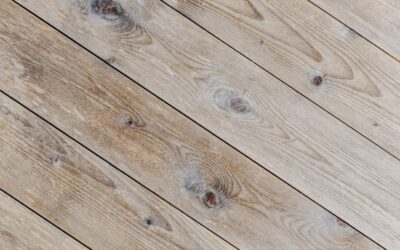
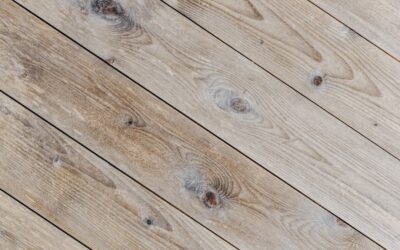
The most beautiful wood floors I have ever installed came out of a 1908 Pennsylvania barn that had been holding up tobacco for ninety years. Reclaimed wooden flooring brings character no kiln-dried board can match — old-growth grain, hand-hewn texture, nail holes, even oxidation patterns from a century of weather — but it also brings real headaches that catch unprepared buyers off guard. After remilling and installing salvaged stock for a dozen projects, I can tell you exactly what to look for and what to avoid.
Where the Wood Actually Comes From
The vast majority of authentic reclaimed lumber in the US market comes from four sources: barns and agricultural buildings (1850s-1940s), industrial warehouses and mills (1880s-1950s), water-submerged “river-recovered” logs from old logging operations, and demolished urban buildings (any era). Each source produces distinctly different boards.
Barnwood gives you weathered face boards and tight-grain joists. Industrial reclaim produces wide-plank old-growth from massive support timbers. River wood is dense, dark, and slow-grown. Urban demo yields oak, heart pine, chestnut, and the occasional rare species like sinker cypress or wormy maple.
Why Reclaimed Looks Different
Old-growth trees grew slowly. A 12 inch diameter trunk from 1880 might have 40 growth rings; the same diameter modern plantation tree has 8 to 12. Tighter rings mean denser wood, more dramatic grain, and significantly better dimensional stability.
- Density 15-25 percent higher than modern equivalent species
- Grain patterns unavailable in current commercial lumber
- Janka hardness ratings often 20 percent above current spec
- Color variation from oxidation, mineral exposure, and age
- Authentic patina that finishes cannot replicate
The Real Pros
The look is unmatched. There is no aging process, no distressing technique, no factory finish that recreates real century-old patina. If period-correct authenticity matters — restored Victorians, converted barns, design-forward modern spaces — reclaimed wooden flooring is the only honest option.
Environmental story is genuine. You are diverting wood from landfills, avoiding new harvest, and using material that has already proven dimensionally stable across a century of expansion and contraction.
Performance often exceeds new wood. Old-growth white oak and heart pine resist scratches, dents, and seasonal movement better than anything you can buy at a flooring supplier today.
The Honest Cons
Cost is high. Quality reclaimed wide-plank oak runs $12 to $25 per square foot for materials alone. Heart pine and chestnut push $18 to $35. Specialty species like American chestnut or salvaged longleaf pine can hit $40 plus. That is before milling and installation.
Quantity is unreliable. The reclaim warehouse might have 800 square feet of one batch — and never have it again. For larger jobs, you need to lock in your order early or accept color variation between batches.
Hidden defects are common. Square nails, embedded gravel, twist, cup, splits, insect damage, and previous insect treatment chemicals all hide in raw reclaim stock. Expect 20-35 percent waste during milling — buy that overage upfront.
Milling: The Step Most Buyers Underestimate
Raw reclaim stock has to be remilled into flooring. That means metal detection (every board, every time), planing, ripping to consistent width, kiln drying to under 8 percent moisture content, and tongue-and-groove milling on a moulder. Most reputable reclaim dealers do this for you and sell finished, ready-to-install boards.
If you are buying raw stock and milling yourself, budget for trashed planer knives — every load hits a hidden nail or staple eventually — and a real moisture meter. Pin meters cost $35 and save you from the most common reclaim disaster: installing wood that is still 18 percent moisture content.
Installation Realities
Reclaimed boards rarely come in standard widths or lengths. Plan for random-width and random-length installations. Acclimate the wood in the install space for 7-14 days before nail-down — twice as long as commercial product — and check moisture content daily.
Use a pneumatic flooring nailer with the right cleat length for the board thickness. Reclaim is often 3/4 inch or thicker, requiring 2 inch or longer cleats. Face-nail the first and last courses with old-style cut nails for period-correct detail in heritage homes.
Finishing the Floor
Decide upfront whether to preserve the original face or sand to fresh wood. Preserving the patina means you sand only enough to remove splinters and high spots, then seal with a penetrating oil-based finish like Rubio Monocoat or pure tung oil. Sanding to bare wood gets you a more uniform look but loses the character that made you buy reclaimed in the first place.
For most heritage applications, I leave the face alone, scrub with a brush and mineral spirits, and finish with two thin coats of hard wax oil. The result holds up to traffic and lets the patina show through.
What to Inspect Before You Buy
- Moisture content — under 9 percent for ready-to-install, under 12 percent for raw stock
- Metal-detected and certified — ask for written confirmation
- Insect damage — active infestation requires kiln treatment at 130+ degrees F for 24 hours
- Lead paint — pre-1978 painted reclaim should be tested and stripped
- Source documentation — barn name, building year, species verification
- Sample boards — request five from random batches before ordering volume
Where to Source
Established reclaim dealers like Pioneer Millworks, Mountain Lumber, Carlisle, and Longleaf Lumber sell consistently good product with proper milling and documentation. Local salvage yards offer adventure and lower prices but require more inspection skill. Online auction sources require very careful vetting and detailed photos.
Bottom Line
Reclaimed wooden flooring is a forever investment for the right project. Budget 50 to 100 percent more than equivalent new hardwood, plan a longer install timeline, and partner with a reclaim dealer who actually knows the source of every board. Done right, you end up with a floor your great-grandchildren will fight over.
Prefer to explore on your own?
See how new flooring looks in your actual room in seconds — free, no signup.
Try the free Floor Studio →