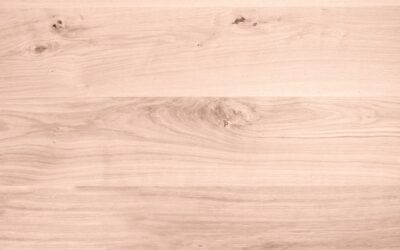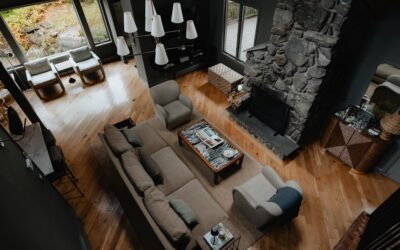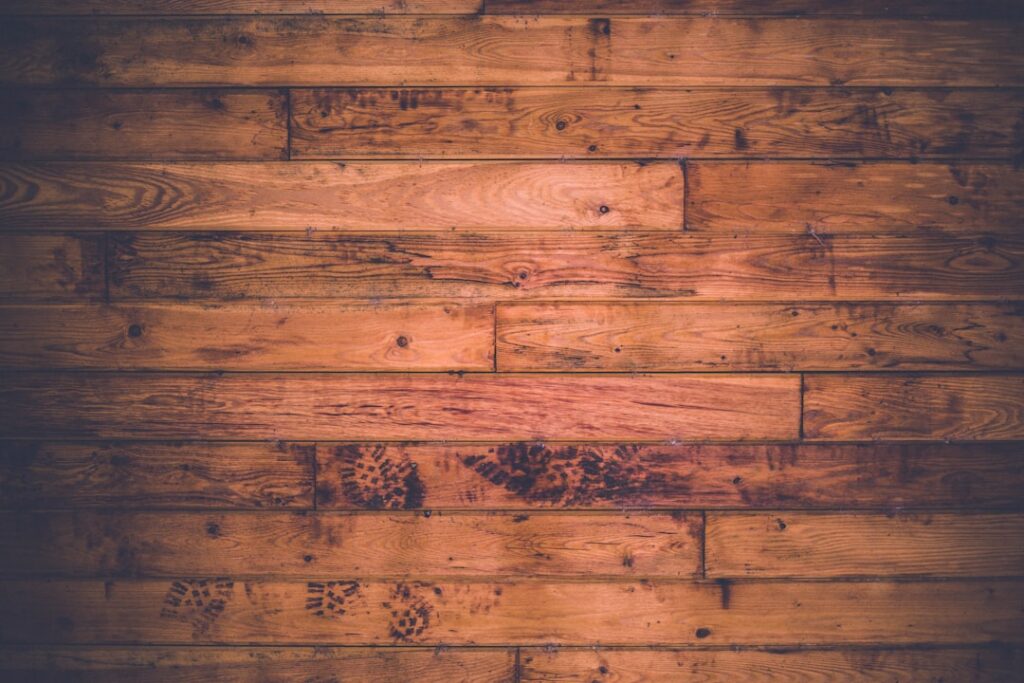
Reclaimed engineered hardwood flooring gives you the weathered soul of century-old barn wood without the headaches that come with installing raw salvaged planks. It takes a thin wear layer sliced from genuine reclaimed timber and bonds it over a stable plywood or high-density fiberboard core. The result is a floor that carries real history on its surface while behaving like a modern, dimensionally stable product underneath.
In lake houses and renovated lofts, this material consistently earns its keep. Still, it is not the right pick for every project or budget. Here is an honest breakdown of what you are buying.
What Makes It Different From Solid Reclaimed Wood
Traditional reclaimed flooring is solid old-growth lumber pulled from barns, factories, and demolished buildings, then remilled into planks. It is gorgeous but temperamental. Solid reclaimed boards move a lot with humidity, often hide nails or metal fragments, and cannot go over concrete or radiant heat without serious risk.
Engineered versions solve those problems by using only a 2mm to 4mm face veneer of the reclaimed material. That thin slice of authentic aged oak, chestnut, or heart pine sits on a cross-laminated core that resists cupping and gapping. You get the antique look with the installation flexibility of a modern floating or glue-down floor.
The Pros of Reclaimed Engineered Hardwood Flooring
There is a lot to like here, especially if you want character without the drama.
- Authentic patina. Nail holes, saw marks, worm tracks, and oxidized coloring are genuine, not printed or manufactured. No two boards match, which is exactly the point.
- Dimensional stability. The layered core moves far less than solid wood. Seasonal gapping shrinks dramatically compared to solid reclaimed planks.
- Radiant heat and concrete friendly. Most engineered reclaimed floors can be glued or floated over slab and work over hydronic radiant systems rated to about 82°F surface temperature.
- Sustainability. You are reusing timber that already exists, and stretching each reclaimed board across far more square footage than solid milling allows.
- Faster installation. Click-lock and glue-down formats install without the pre-drilling and face-nailing that solid reclaimed demands.
That last point matters for labor cost. A crew can lay engineered reclaimed roughly 30 to 40 percent faster than solid salvaged lumber that needs to be denailed and hand-scribed.
The Cons You Should Weigh
No flooring is perfect, and this category has real trade-offs worth understanding before you commit.
- Price. Genuine reclaimed veneers command a premium. Expect $9 to $18 per square foot for the material alone, and rare species like American chestnut can climb past $20.
- Thin wear layer limits refinishing. A 2mm face can usually be sanded once, lightly. A 4mm face might handle two passes. Solid reclaimed can be refinished many times.
- Authenticity varies. Some manufacturers distress new wood to mimic reclaimed and market it loosely. Genuine reclaimed material should come with provenance.
- Availability. Because supply depends on what gets salvaged, matching an exact look for a future addition can be difficult.
Watch the Wear Layer Number
The single most important spec is the thickness of the reclaimed veneer. Anything below 2mm is essentially a one-and-done floor. If longevity matters, hold out for a 3mm or 4mm sawn face rather than a thin rotary-peeled veneer.
What It Costs Installed
Budget realistically. Between premium material and skilled labor, a finished reclaimed engineered floor is an investment.
- Material: $9 to $18 per square foot on average
- Professional installation: $4 to $8 per square foot depending on method
- Underlayment, adhesive, and trim: $1 to $2.50 per square foot
- Total installed: roughly $14 to $28 per square foot
For a 300-square-foot room, that lands somewhere between $4,200 and $8,400 installed. Glue-down over a concrete slab tends to cost more in labor than a floating click-lock installation over foam underlayment.
It helps to think of the premium as buying two things at once: genuine antique material that no factory can replicate, and the engineering that lets that material go places solid reclaimed cannot. When you compare it against sourcing, denailing, and remilling true solid reclaimed lumber, the engineered version is frequently the more economical path to the same aged look, even before you factor in faster installation labor.
Popular Species and Where the Wood Comes From
The character of a reclaimed engineered floor depends heavily on the source timber. Different salvaged species carry different histories and price tags, and knowing them helps you shop with confidence.
- Reclaimed oak. The most common and versatile, pulled from barns, industrial buildings, and old flooring. It shows tight grain, nail holes, and a warm honey-to-amber patina.
- Heart pine. Salvaged from 18th and 19th century factories and warehouses, this dense old-growth pine has a rich amber color and dramatic grain you simply cannot buy new.
- American chestnut. The rarest of all, since the species was wiped out by blight a century ago. Every board is genuinely irreplaceable, which is why it commands top dollar.
- Mixed barnwood. A blend of species from a single structure, delivering maximum rustic variation for a more casual, weathered look.
Because the raw material was often air-dried over decades, reclaimed timber tends to be exceptionally stable at the veneer level, which is part of why it laminates so well onto an engineered core.
Installation Considerations
One of the strongest arguments for engineered reclaimed is how much easier it installs than solid salvaged lumber. There are no hidden nails to hunt for, no metal to blow out a saw blade, and no need to face-nail and hand-scribe every board. Most products ship in a click-lock or tongue-and-groove format that floats over a foam or cork underlayment, or glues down with a moisture-cure urethane adhesive over concrete.
Acclimate the boxes in the installation room for at least 3 to 5 days so the flooring reaches equilibrium with your home’s humidity. Keep indoor relative humidity between 35 and 55 percent for the life of the floor. When installing over a slab, always test for moisture first with a calcium chloride or in-slab RH probe, and follow the manufacturer’s vapor-barrier requirements. Those steps protect your investment and keep any warranty intact.
How to Buy Smart
Shopping this category takes a little more diligence than grabbing big-box laminate. A few habits will steer you toward a floor you will love for decades.
Always order samples and inspect them in your actual room light. Reclaimed tones shift dramatically between warm incandescent and cool north-facing daylight. Ask the supplier where the wood was salvaged and whether the face is genuinely reclaimed or new wood distressed to look old. Reputable sellers will tell you plainly.
Order 10 to 15 percent extra for waste. The natural variation that makes reclaimed material beautiful also means you will cull a few boards for defects that do not fit your layout. Having overage on hand also gives you spares for future repairs, since matching a discontinued reclaimed run later is nearly impossible.
Is It Right for Your Home?
Reclaimed engineered hardwood flooring makes the most sense when you want authentic antique character in a space where solid reclaimed simply will not work, such as a basement, a slab-on-grade addition, or a room with radiant heat. It is also the smart choice if you love the look but want less seasonal movement and a cleaner installation.
If your budget is tight or you plan to refinish repeatedly over the decades, solid reclaimed or a thicker traditional engineered floor may serve you better. But for the right project, few materials deliver as much genuine warmth and story underfoot. When you want a floor that already looks like it has lived a full life, this is the material to choose.
Prefer to explore on your own?
See how new flooring looks in your actual room in seconds — free, no signup.
Try the free Floor Studio →