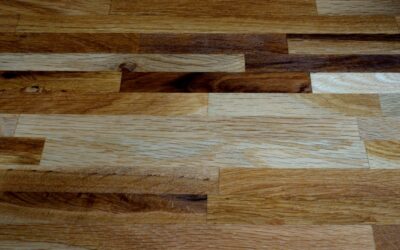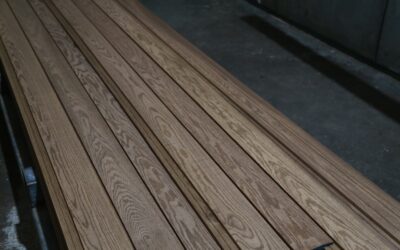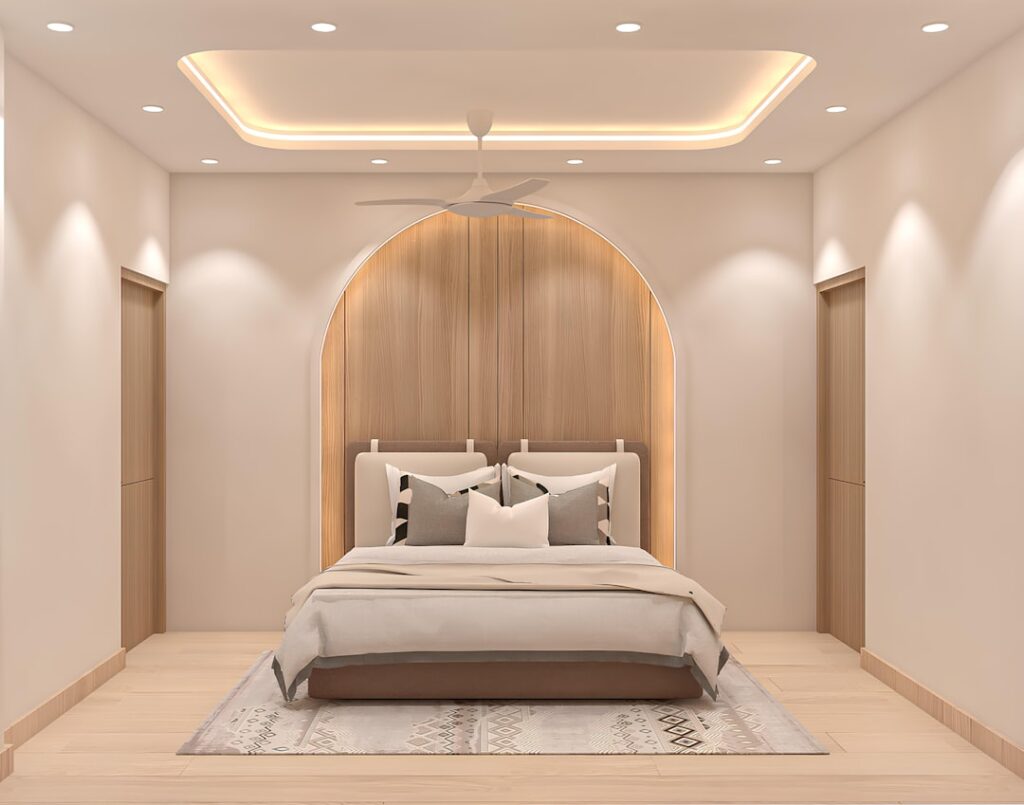
Engineered hardwood flooring gives you the warmth and beauty of real wood with a construction designed to handle what solid hardwood cannot. It resists moisture better, installs over more subfloor types, and costs less in many cases. If you have been weighing your options between solid hardwood and engineered, this guide walks you through every detail worth knowing.
- What Is Engineered Hardwood Flooring?
- How Engineered Hardwood Is Made
- Popular Wood Species for Engineered Hardwood
- Engineered Hardwood Costs in 2026
- Installation Methods
- Pros of Engineered Hardwood
- Cons of Engineered Hardwood
- Engineered Hardwood vs Solid Hardwood
- Engineered Hardwood vs Laminate
- Top Engineered Hardwood Brands
- Maintaining Engineered Hardwood Floors
- Final Thoughts
What Is Engineered Hardwood Flooring?
Engineered hardwood flooring is made from a thin layer of real hardwood bonded to a multi-layer plywood or high-density fiberboard base. The top layer, called the veneer or lamella, is genuine wood that looks, feels, and finishes exactly like solid hardwood. The layers beneath are arranged in a cross-grain pattern that gives the plank exceptional dimensional stability.
This cross-grain construction is the key difference between engineered and solid hardwood. Where solid wood expands and contracts significantly with humidity changes, the opposing grain directions in engineered wood flooring cancel out much of that movement. The result is a floor that handles temperature and moisture fluctuations far better than its solid counterpart.
How Engineered Hardwood Is Made
The manufacturing process involves several steps that determine the quality and performance of the finished product.
The Veneer Layer
Manufacturers slice or rotary-peel thin sheets of hardwood from logs. Sliced veneers tend to produce more natural-looking grain patterns, while rotary-peeled veneers maximize yield from each log. Veneer thickness typically ranges from 0.6mm on budget products to 6mm on premium planks. Thicker veneers allow for sanding and refinishing, adding years to the floor’s lifespan.
The Core Layers
Multiple layers of plywood, HDF, or softwood are stacked with alternating grain directions. High-quality products use birch or Baltic birch plywood, which offers superior strength and moisture resistance. The number of core layers varies, but more layers generally mean greater stability.
Finishing
Most engineered hardwood comes pre-finished at the factory. The finish typically involves multiple coats of aluminum oxide-infused polyurethane applied under UV light. Factory finishes are harder and more consistent than site-applied finishes. Some products feature wire-brushed, hand-scraped, or distressed textures applied before the final coating.
Popular Wood Species for Engineered Hardwood
The veneer species you choose affects the floor’s appearance, hardness, and price.
White Oak
White oak dominates the engineered hardwood market in 2026. Its tight grain pattern resists moisture better than red oak, and its neutral tones work with virtually any design style. White oak scores 1,360 on the Janka hardness scale, making it suitable for high-traffic areas.
Red Oak
Red oak remains a classic choice with its distinctive pinkish-brown tones and prominent grain. It is slightly softer than white oak at 1,290 on the Janka scale. Red oak accepts stains well, allowing a wide range of color options.
Hickory
Hickory is one of the hardest domestic species at 1,820 on the Janka scale. Its dramatic grain variation and color range create a rustic character that suits farmhouse and traditional interiors. Hickory engineered planks handle heavy foot traffic and pet claws with ease.
Maple
Maple offers a clean, contemporary look with its subtle grain and light color. It scores 1,450 on the Janka scale, providing good durability. Maple works especially well in modern and Scandinavian-inspired spaces.
Walnut
American walnut brings rich chocolate-brown tones and flowing grain patterns. At 1,010 on the Janka scale, it is softer than oak, so it benefits from thicker wear layers and careful furniture placement. Walnut engineered flooring adds a premium feel to any room.
Exotic Species
Acacia, Brazilian cherry, and teak are available as engineered planks. These species offer unique colors and extreme hardness but come at higher prices. Engineered construction makes exotic woods more accessible since less raw material is needed compared to solid planks.
Engineered Hardwood Costs in 2026
Pricing depends heavily on the veneer species, thickness, plank dimensions, and brand reputation.
Material Costs
- Budget range: $3.00 to $5.00 per square foot for thinner veneers and common species
- Mid-range: $5.00 to $8.00 per square foot for quality white oak and hickory with 2mm+ veneers
- Premium range: $8.00 to $15.00+ per square foot for wide-plank, thick-veneer, and exotic species
Installation Costs
Professional installation runs $3.00 to $6.00 per square foot depending on the method. Floating installations cost less, while glue-down and nail-down methods require more labor and materials.
Total Project Cost
For a 500-square-foot room, expect total costs between $3,000 and $10,500 including materials, underlayment, transitions, and labor.
Installation Methods
Engineered hardwood offers more installation flexibility than solid hardwood, which is one of its primary advantages.
Floating Installation
Planks click or lock together without being attached to the subfloor. The entire floor “floats” over an underlayment pad. This method works over concrete, plywood, existing hard flooring, and even radiant heating systems. Floating installation is the fastest and most DIY-friendly option.
Glue-Down Installation
Planks are adhered directly to the subfloor using a urethane or acrylic adhesive. This method creates a solid feel with minimal hollow sounds underfoot. Glue-down is the preferred method for concrete subfloors in condos and apartments where sound reduction matters.
Nail-Down or Staple-Down Installation
Planks are fastened to a plywood subfloor using a pneumatic nailer or stapler. This traditional method provides a secure connection and authentic feel. It is limited to wood subfloors and typically requires professional equipment.
Installation Over Concrete
Engineered hardwood can go directly over concrete slabs, including below-grade basements, when installed as a floating floor or glued down. This is a significant advantage over solid hardwood, which generally should not be installed over concrete. A moisture barrier is essential to prevent problems from slab moisture.
Pros of Engineered Hardwood
- Real wood beauty: The surface is genuine hardwood with authentic grain, texture, and color.
- Dimensional stability: Cross-grain construction minimizes expansion and contraction.
- Versatile installation: Works over concrete, plywood, and existing floors using multiple methods.
- Compatible with radiant heat: Many engineered products are approved for use over radiant heating systems.
- Can be refinished: Products with veneers 2mm or thicker can be sanded and refinished at least once.
- Adds home value: Real wood flooring is consistently valued by homebuyers and appraisers.
- Wide plank options: Engineered construction allows for wider planks (7 inches and beyond) without the cupping issues common in wide solid hardwood.
Cons of Engineered Hardwood
- Limited refinishing: Thin veneers may only allow one refinishing, and some budget products cannot be refinished at all.
- Not fully waterproof: While more moisture-resistant than solid hardwood, engineered wood is not waterproof like vinyl flooring or tile.
- Quality varies widely: Cheap engineered hardwood with paper-thin veneers can look and feel cheap. You get what you pay for.
- Susceptible to scratching: Despite factory finishes, real wood still scratches more easily than vinyl or tile.
- Higher cost than LVP: Quality engineered hardwood costs significantly more than luxury vinyl plank alternatives.
Engineered Hardwood vs Solid Hardwood
This is the comparison most buyers wrestle with. Here is how they stack up.
Solid hardwood flooring is milled from a single piece of wood, typically 3/4 inch thick. It can be sanded and refinished many times over a 50 to 100-year lifespan. However, it is highly sensitive to moisture, limited to above-grade installation over wood subfloors, and more expensive to install.
Engineered hardwood provides most of the same aesthetic benefits with better moisture performance and installation flexibility. For homes with concrete subfloors, below-grade spaces, or radiant heating, engineered is often the only hardwood option that works.
If you live in a climate with stable indoor humidity and have wood subfloors throughout, solid hardwood offers the longest possible lifespan. For everyone else, engineered hardwood delivers the real-wood experience with fewer limitations.
Engineered Hardwood vs Laminate
Laminate flooring uses a photographic image of wood over a fiberboard core. It costs less than engineered hardwood and resists scratches better, but it cannot be refinished and lacks the authentic feel of real wood. Laminate also does not add the same resale value to a home.
Engineered hardwood is the better investment when budget allows, but laminate makes sense for rental properties or rooms where durability matters more than authenticity.
Top Engineered Hardwood Brands
Hallmark Floors
Known for their innovative finishes and wide-plank options. Hallmark offers several collections with European oak veneers and patented NuOil and TrueMark finishes.
Kahrs
A Swedish manufacturer with over 160 years of experience. Kahrs practically invented the engineered hardwood concept and continues to lead in sustainability and quality.
Bruce (by AHF Products)
A heritage American brand offering affordable engineered hardwood in oak, hickory, and maple. Bruce products are widely available at major retailers.
Mohawk
One of the largest flooring manufacturers in the world. Mohawk offers engineered hardwood across multiple price points with strong warranties and broad distribution.
Shaw
Shaw’s engineered hardwood lines include the popular Floorte Hardwood collection, which features waterproof edge technology and premium wood veneers.
Maintaining Engineered Hardwood Floors
Proper care preserves the beauty and extends the life of your engineered hardwood.
- Sweep or vacuum with a hard-floor attachment daily in high-traffic areas.
- Clean with a hardwood-specific cleaner and a microfiber mop. Avoid excessive water.
- Place felt pads under all furniture legs and replace them regularly.
- Use area rugs in entryways and high-traffic zones to reduce wear.
- Maintain consistent indoor humidity between 35% and 55% using humidifiers or dehumidifiers as needed.
- Avoid steam mops, which can damage the finish and force moisture into seams.
- Address scratches promptly with a matching touch-up pen or wax stick.
Final Thoughts
Engineered hardwood flooring bridges the gap between the natural beauty of solid wood and the practical demands of modern homes. Its stability, versatility, and real-wood surface make it a smart choice for homeowners who want authentic hardwood without the limitations. Invest in a product with a veneer thickness of at least 2mm, choose a reputable brand, and your engineered hardwood floors will reward you with decades of warmth and style.
Prefer to explore on your own?
See how new flooring looks in your actual room in seconds — free, no signup.
Try the free Floor Studio →