If you are shopping for new floors, you have probably encountered the term engineered hardwood and wondered what it actually means. Is it real wood? Is it as good as solid hardwood? Can you refinish it? These are all common questions, and the answers may surprise you.
Engineered hardwood flooring is one of the most versatile and popular flooring choices on the market today, offering the beauty of real wood with enhanced stability and more installation options. This guide explains exactly what engineered hardwood flooring is, how it is constructed, how it compares to solid hardwood, and whether it is the right choice for your home.
- Engineered Hardwood Flooring Explained
- How Engineered Hardwood Is Constructed
- Engineered Hardwood vs Solid Hardwood
- Installation Methods for Engineered Hardwood
- Can You Refinish Engineered Hardwood?
- Where to Install Engineered Hardwood
- Top Engineered Hardwood Brands
- Pros and Cons of Engineered Hardwood Flooring
- Is Engineered Hardwood Flooring Right for You?
Engineered Hardwood Flooring Explained
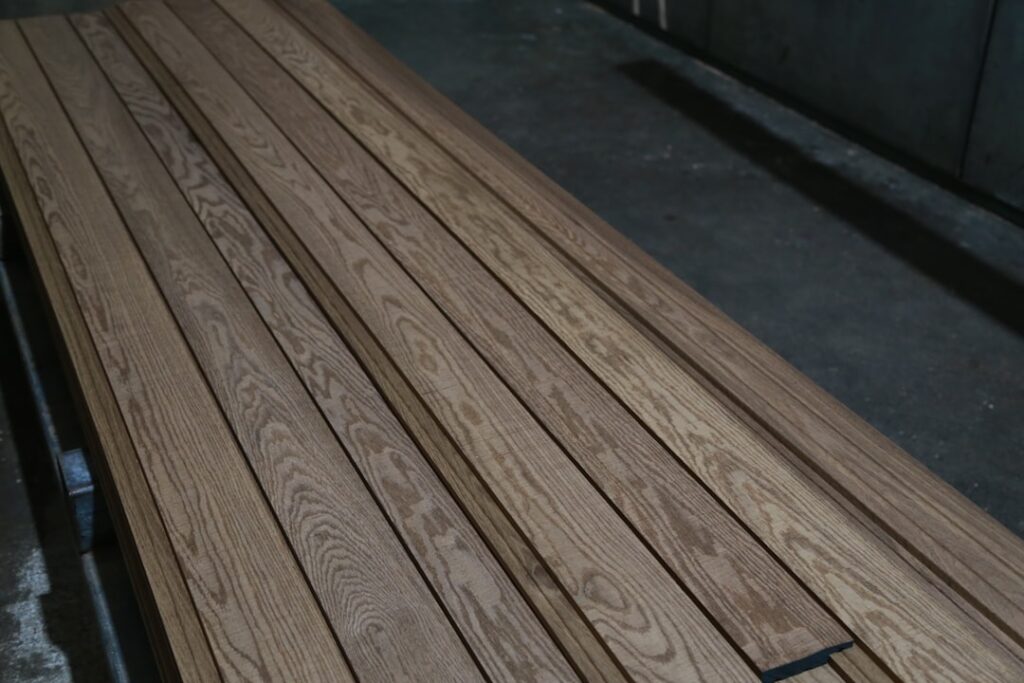
Engineered hardwood flooring is a real wood product consisting of a top layer of genuine hardwood (called the veneer or wear layer) bonded to multiple layers of plywood, high-density fiberboard (HDF), or other wood-based materials underneath. The result is a plank that looks and feels like solid hardwood on the surface but has a core engineered for superior dimensional stability.
The key point to understand is that engineered hardwood is not fake wood. The surface you walk on, see, and touch is real hardwood, whether that is oak, walnut, hickory, maple, or any other species. The engineered part refers to the layered construction underneath that surface.
How Engineered Hardwood Is Constructed
Understanding the layers of engineered hardwood helps explain why it performs differently from solid hardwood.
Top Layer (Veneer/Wear Layer)
The top layer is a slice of real hardwood, typically ranging from 0.6mm on budget products to 6mm on premium planks. This layer determines the species, color, grain pattern, and overall appearance of the floor. Thicker veneer layers allow for more refinishing cycles over the life of the floor.
Core Layers
Below the veneer, multiple layers of plywood or HDF are stacked with each layer’s grain direction running perpendicular to the one above and below it. This cross-grain construction is the secret to engineered hardwood’s stability. By opposing the natural expansion and contraction tendencies of wood, the layered core dramatically reduces warping, cupping, and gapping caused by humidity and temperature changes.
Most quality engineered hardwood products have 5 to 9 core layers. Generally, more layers and thicker overall construction equate to a more stable and durable product.
Backing Layer
The bottom layer provides additional stability and acts as a moisture barrier. Some products include an attached underlayment or cork backing for sound absorption and comfort.
Finish
Factory-finished engineered hardwood comes with multiple coats of polyurethane, aluminum oxide, or oil-based finish applied under controlled conditions. Factory finishes are typically more durable and consistent than site-applied finishes because they are cured with UV light or other industrial processes.
Engineered Hardwood vs Solid Hardwood
This is the comparison every flooring shopper wants to understand. Both are real wood, but they differ in important ways.
Construction
Solid hardwood is a single piece of wood, typically 3/4 inch thick, milled from a log. Engineered hardwood is a multilayer product with a real wood surface and a manufactured core. Both feature genuine hardwood on the walking surface.
Stability
This is where engineered hardwood has a clear advantage. Solid hardwood expands and contracts significantly with humidity changes, which can cause gaps in winter and cupping in summer. Engineered hardwood’s cross-grain construction resists these movements, making it suitable for environments where solid hardwood would struggle.
Installation Versatility
Solid hardwood must be nailed or stapled to a wooden subfloor and cannot be installed below grade (basements) or over concrete. Engineered hardwood can be nailed, stapled, glued directly to concrete, or floated as a click-lock system, giving you far more flexibility.
Moisture Tolerance
Engineered hardwood handles humidity fluctuations better than solid hardwood, making it appropriate for kitchens, over radiant heating systems, and in climates with significant seasonal humidity swings. However, neither product is waterproof, and standing water will damage both.
Refinishing
Solid hardwood can be sanded and refinished many times over its lifetime, typically 6 to 10 times for a standard 3/4-inch plank. Engineered hardwood can be refinished, but the number of times depends on the veneer thickness. Products with a 2mm to 4mm veneer can typically be refinished 1 to 3 times. Products with a 0.6mm veneer cannot be meaningfully refinished.
Cost
Engineered hardwood ranges from $3 to $14 per square foot for materials, which overlaps significantly with solid hardwood at $4 to $12 per square foot. However, engineered hardwood often has lower installation costs because floating installation is faster than nail-down, and it does not require a plywood subfloor over concrete.
Resale Value
Both solid and engineered hardwood flooring add significant resale value to a home. Most buyers and real estate agents cannot distinguish between the two once installed, and both are viewed favorably compared to laminate or vinyl alternatives.
Installation Methods for Engineered Hardwood
One of the biggest advantages of engineered hardwood is the range of installation methods available.
Floating Installation (Click-Lock)
Many engineered hardwood products feature click-lock edges that allow planks to snap together without glue or fasteners. The floor floats freely over an underlayment, making this the fastest and most DIY-friendly method. Floating installation works over concrete, plywood, existing hard-surface flooring, and radiant heating systems.
Glue-Down Installation
Glue-down is the preferred method for installing engineered hardwood directly on concrete subfloors. A full-spread adhesive bonds the planks to the subfloor, creating a solid, stable floor with no hollow sound underfoot. This method is popular in condos, commercial spaces, and over radiant heating where maximum heat transfer is desired.
Nail or Staple Down
Like solid hardwood, engineered hardwood can be nailed or stapled to a plywood subfloor. This is a traditional installation method that works well on wooden subfloors on the main level or upper floors of a home. It provides a secure, solid feel similar to solid hardwood.
Which Method Is Best?
The best installation method depends on your subfloor type, the specific product’s recommendations, and your comfort level with DIY projects. Floating is easiest for DIY, glue-down is best over concrete, and nail-down is preferred for wooden subfloors when you want maximum stability.
Can You Refinish Engineered Hardwood?
Yes, but with important caveats. The ability to refinish engineered hardwood depends entirely on the thickness of the top veneer layer.
Thick Veneer (3mm to 6mm)
Premium engineered hardwood with a thick veneer can be sanded and refinished 2 to 4 times, similar to solid hardwood. Each sanding removes approximately 1mm of material, so a 4mm veneer provides room for multiple refinishing cycles over the floor’s 30- to 50-year lifespan.
Medium Veneer (2mm to 3mm)
Mid-range products with a 2mm to 3mm veneer can typically be refinished once, possibly twice with careful, light sanding. This is still valuable because a single refinishing can add 10 to 15 years of life to the floor.
Thin Veneer (0.6mm to 1.5mm)
Budget engineered hardwood with very thin veneers cannot be sanded and refinished in the traditional sense. However, you can screen and recoat (lightly buff the existing finish and apply a new top coat) without removing veneer material. This process refreshes the appearance and extends the finish life.
Refinishing Tips
Always check the manufacturer’s warranty and recommendations before refinishing. Use a professional who has experience with engineered hardwood specifically, as the thinner veneer requires more careful sanding than solid hardwood. Drum sanders used aggressively can sand through the veneer and ruin the floor.
Where to Install Engineered Hardwood
Engineered hardwood’s stability makes it suitable for areas where solid hardwood cannot go.
Main Living Areas
Living rooms, dining rooms, hallways, and bedrooms are natural fits for engineered hardwood. It provides the same beauty and warmth as solid hardwood in these spaces.
Kitchens
Engineered hardwood is a viable kitchen flooring option when paired with proper care. Modern finishes provide enhanced moisture resistance, but you need to wipe up spills promptly and avoid letting water pool around sinks or dishwashers.
Basements
This is a major advantage over solid hardwood. Engineered hardwood can be installed in basements using floating or glue-down methods over concrete. Choose a product with an SPC or HDF core for maximum moisture resistance in below-grade applications.
Over Radiant Heating
Engineered hardwood is one of the best flooring choices for radiant heating systems. Its dimensional stability handles the temperature fluctuations, and the thin profile allows efficient heat transfer. Glue-down installation provides the best heat conductivity.
Not Recommended
Full bathrooms with showers or tubs, saunas, and outdoor spaces are not suitable for engineered hardwood. These environments have too much moisture for any wood product. Choose waterproof flooring for these areas instead.
Top Engineered Hardwood Brands
Several brands consistently deliver quality engineered hardwood products in 2026.
Shaw
Shaw’s engineered hardwood lines, including Repel and Exquisite, offer water-resistant technology and a wide range of species and styles. Shaw is widely available at retailers nationwide and provides solid warranties.
Mohawk
Mohawk’s engineered collections, especially the TecWood and RevWood Plus lines, are known for durability and realistic visuals. Their UltraWood technology adds an enhanced real-wood texture layer.
Bruce (by AHF Products)
Bruce has been a trusted name in hardwood for over a century. Their engineered products offer excellent value in the mid-price range with a broad selection of species and finishes.
Carlisle Wide Plank
For premium wide-plank engineered hardwood, Carlisle is a top choice. Their products feature thick veneers (up to 4mm), wide planks (up to 10 inches), and custom finishing options. This is a higher price point but exceptional quality.
Pros and Cons of Engineered Hardwood Flooring
Pros
Engineered hardwood features a genuine hardwood surface that looks and feels like the real thing because it is real wood. The layered construction provides superior dimensional stability compared to solid hardwood. Multiple installation methods make it suitable for almost any subfloor and room in the home. It can be installed over concrete and in basements where solid hardwood cannot go. It is compatible with radiant heating systems. Quality products can be refinished, extending the floor’s lifespan. It adds real resale value to your home, comparable to solid hardwood.
Cons
Budget products with thin veneers cannot be refinished and may not last as long. It is not waterproof and will suffer damage from standing water or flooding. Higher-quality engineered hardwood with thick veneers can cost as much as solid hardwood. The quality range is enormous, and low-end products may have poor veneer adhesion or inconsistent finish. It can still scratch and dent, just like solid hardwood, particularly in softer species.
Is Engineered Hardwood Flooring Right for You?
Engineered hardwood flooring is an excellent choice if you want real wood beauty with enhanced performance. It is particularly well-suited if you have concrete subfloors, want to install wood in a basement, need radiant heating compatibility, live in a climate with wide humidity swings, or prefer the option of floating installation for a DIY project.
If you live in a stable climate, have wooden subfloors throughout, and value maximum refinishing potential above all else, solid hardwood is still a worthy option. But for most homeowners in 2026, engineered hardwood delivers the best combination of beauty, versatility, and performance in the real wood flooring category.
Prefer to explore on your own?
See how new flooring looks in your actual room in seconds — free, no signup.
Try the free Floor Studio →