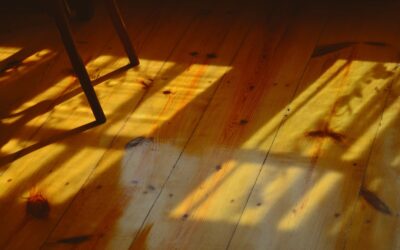
Maple is one of the hardest and most durable domestic hardwood species available for flooring. Its clean, light appearance and subtle grain pattern make it a favorite for contemporary and Scandinavian-inspired interiors. But maple has specific characteristics that make it different from oak, hickory, and other popular flooring species, and understanding those differences is essential before you commit.
This guide covers everything from hard maple versus soft maple to staining challenges, finish options, cost expectations, and design considerations. Whether you are comparing maple to other hardwood species or have already decided on maple, this information will help you make smart decisions throughout the process.
- Hard Maple vs. Soft Maple: What Is the Difference?
- Grain Pattern and Appearance
- The Staining Challenge
- Best Finishes for Maple Hardwood Floors
- Maple in Contemporary and Scandinavian Design
- Solid Maple vs. Engineered Maple
- Cost of Maple Hardwood Flooring
- Pros and Cons Summary
- Maintenance Tips for Maple Floors
Hard Maple vs. Soft Maple: What Is the Difference?
When people refer to maple hardwood flooring, they are almost always talking about hard maple, also known as sugar maple or rock maple. Hard maple comes from the Acer saccharum tree, the same species that produces maple syrup. It grows primarily in the northeastern United States and southeastern Canada.
Soft maple refers to several maple species including red maple (Acer rubrum) and silver maple (Acer saccharinum). Despite the name, soft maple is not actually soft. It is still a hardwood and significantly harder than many other flooring species. The term “soft” is relative to hard maple only.
Janka Hardness Comparison
The Janka hardness test measures a wood species’ resistance to denting and wear. Hard maple scores 1,450 on the Janka scale, making it one of the hardest domestic species commonly used for flooring. For context:
- Hard maple: 1,450 lbf
- White oak: 1,360 lbf
- Red oak: 1,290 lbf
- Soft maple: 950 lbf
- American cherry: 950 lbf
- Black walnut: 1,010 lbf
Hard maple’s superior hardness translates to excellent dent resistance and long-term durability. It stands up well to heavy foot traffic, dropped objects, and the general wear that floors endure over decades. This is why hard maple has been the standard for basketball courts, bowling alleys, and dance floors where performance under stress is non-negotiable.
Soft maple at 950 lbf is still a serviceable flooring material, though it dents more easily than hard maple. Some homeowners choose soft maple as a more affordable alternative when they want the maple look without the premium price. Soft maple also accepts stains slightly more evenly than hard maple, which can be an advantage if you plan to change the color.
Grain Pattern and Appearance
Maple’s grain pattern is one of its defining characteristics. Unlike oak, which has prominent cathedral and linear grain patterns, maple has a tight, fine, and relatively subtle grain. This creates a clean, uniform appearance that reads as smooth and modern rather than rustic or textured.
The natural color of hard maple ranges from creamy white to light amber, with the heartwood sometimes showing slightly darker reddish-brown tones. The sapwood, which makes up most of the usable lumber, is pale and consistent. This light, clean appearance is what draws most homeowners to maple. It brightens rooms, makes spaces feel larger, and pairs naturally with contemporary and minimalist design.
Maple also occasionally produces distinctive figured grain patterns that are highly prized. Bird’s eye maple features small, circular patterns that resemble bird’s eyes scattered across the surface. Curly maple (also called tiger maple or fiddleback) displays a three-dimensional rippled effect. These figured maples are significantly more expensive than standard maple and are typically used as accent features rather than entire floor installations.
The Staining Challenge
Maple’s tight grain structure, while beautiful in its natural state, creates a significant challenge when it comes to staining. Because the grain is so dense and closed, maple does not absorb stain evenly. Dark stains in particular tend to produce a blotchy, uneven appearance with some areas absorbing more pigment than others.
This is the most important thing to understand about maple flooring: if you want dark floors, maple is not the right species. Trying to force a dark stain onto maple almost always results in disappointment. The splotchy, inconsistent color looks amateurish even when applied by experienced professionals.
How to Successfully Stain Maple
If you want to add some color to maple while avoiding blotchiness, there are several approaches that work:
Gel stains sit on the wood surface rather than penetrating it, which produces a more even color. They work well for light to medium color adjustments on maple.
Water-based dyes penetrate more evenly than traditional oil-based stains because they follow water into the wood rather than being absorbed selectively by open grain. A water-based dye followed by a clear topcoat can produce attractive, even color on maple.
Pre-stain conditioner partially seals the wood before staining, reducing the differential absorption that causes blotchiness. This is a simple step that meaningfully improves stain consistency on maple.
Tinted finishes add color through the finish coat rather than the stain. This produces a more uniform appearance because the color sits on top of the wood rather than being absorbed into it. Many modern hardwax oil finishes are available in tinted versions that work beautifully on maple.
The best approach for most maple floors is to embrace the natural light color and apply a clear or very lightly tinted finish. This showcases maple’s clean beauty and avoids the staining challenges entirely.
Best Finishes for Maple Hardwood Floors
Water-based polyurethane is the most popular finish for maple floors because it dries clear without adding amber or yellow tones. Oil-based polyurethane adds a warm amber tint that can make maple look yellowish over time, which most homeowners want to avoid. Water-based finishes maintain maple’s clean, light appearance for years.
Hardwax oil finishes have become increasingly popular for maple floors. They penetrate the wood surface and provide a natural, matte look that enhances maple’s subtle grain without adding a plastic-like surface film. Hardwax oil is also easier to spot-repair than polyurethane because you can recoat individual areas without sanding the entire floor.
Matte and satin sheens work best on maple. High-gloss finishes on maple tend to show every scratch, dust particle, and imperfection because the light, uniform surface provides no visual camouflage. A matte or satin finish adds a contemporary look while being more forgiving in daily use.
Aluminum oxide finishes on prefinished maple flooring provide exceptional durability. The aluminum oxide particles embedded in the finish coat resist scratching and wear better than standard polyurethane. If you choose prefinished maple, look for products with aluminum oxide topcoats for the longest-lasting surface.
Maple in Contemporary and Scandinavian Design
Maple’s light, clean aesthetic makes it a natural fit for contemporary and Scandinavian design styles. In Scandinavian design, light wood floors are foundational. They create the bright, airy foundation that allows simple furniture, natural textiles, and minimal decor to shine. Maple delivers this look authentically without the need for bleaching or white-washing treatments that other species require.
In contemporary interiors, maple floors provide a neutral canvas that lets architectural elements and furnishings take center stage. The subtle grain pattern does not compete with bold artwork, statement lighting, or dramatic wall colors. This makes maple an excellent choice for homes where the design vision involves strong visual elements beyond the floor.
Maple also works well in modern kitchens and bathrooms (when properly sealed) where the clean, hygienic appearance complements stone countertops, stainless steel appliances, and minimalist cabinetry.
Design Pairings That Work with Maple
- Wall colors: White, soft gray, pale blue, warm greige, and sage green
- Cabinetry: White, light gray, or flat-panel natural wood
- Countertops: White marble, quartz, light granite, concrete
- Metals: Brushed nickel, chrome, matte black for contrast
- Textiles: Natural linen, cotton, wool in neutral tones
Avoid pairing maple floors with honey oak cabinetry or golden-toned wood furniture, as the similar-but-not-matching light wood tones can clash and look uncoordinated.
Solid Maple vs. Engineered Maple
Solid maple flooring is milled from a single piece of hardwood, typically 3/4 inch thick. It can be sanded and refinished multiple times over its lifespan, which can span 50 years or more. Solid maple must be nailed or stapled to a plywood subfloor and is not suitable for below-grade installations or concrete slabs.
Engineered maple flooring features a maple veneer layer (typically 2 to 6 millimeters thick) bonded to a plywood or HDF core. Engineered maple is more dimensionally stable than solid maple, meaning it expands and contracts less with humidity changes. It can be installed over concrete, over radiant heating systems, and in below-grade spaces where solid maple cannot go.
Engineered maple with a thicker veneer (4mm or more) can be sanded and refinished once or twice, though not as many times as solid maple. Thinner veneers are typically not refinishable, which limits the floor’s ultimate lifespan.
Cost of Maple Hardwood Flooring
Maple flooring costs vary depending on whether you choose solid or engineered, prefinished or unfinished, and the grade of lumber.
- Unfinished solid hard maple: $4.00 to $8.00 per square foot
- Prefinished solid hard maple: $5.00 to $10.00 per square foot
- Engineered maple: $4.00 to $9.00 per square foot
- Professional installation: $3.00 to $6.00 per square foot
- Finishing (if unfinished): $2.00 to $4.00 per square foot
For a 500-square-foot room, expect total project costs of $3,500 to $8,000 installed, depending on your selections. Maple is generally comparable in price to white oak and less expensive than walnut or exotic species.
Soft maple is typically 15 to 25 percent less expensive than hard maple, offering savings for homeowners who want the maple look with a lower budget. The tradeoff is reduced hardness and slightly lower durability.
Pros and Cons Summary
Pros
- Extremely hard and durable (1,450 Janka rating)
- Clean, light appearance that brightens rooms
- Subtle grain pattern suits contemporary and Scandinavian design
- Excellent resistance to denting and wear
- Available in solid and engineered options
- Competitive pricing compared to other premium species
Cons
- Difficult to stain evenly, especially in dark colors
- Can yellow over time with oil-based finishes
- Shows scratches more than heavily grained species like oak
- Less character and warmth than oak, walnut, or hickory
- Limited availability in wide plank widths
Maintenance Tips for Maple Floors
Maple floors are easy to maintain with a regular routine. Sweep or vacuum with a hard floor attachment weekly to remove grit that can scratch the surface. Damp mop with a pH-neutral hardwood floor cleaner as needed, but avoid wet mopping or standing water.
Use felt pads under furniture legs to prevent scratching and denting. Place mats at entryways to catch dirt and debris before it reaches the floor. Keep humidity levels between 35 and 55 percent to minimize expansion and contraction, which maple is somewhat prone to given its density.
Plan to recoat the finish every 5 to 7 years in high-traffic areas to maintain the protective surface. A full sand-and-refinish is typically needed every 15 to 25 years for solid maple floors.
For more details on hardwood species comparisons, installation methods, and care, explore our comprehensive hardwood flooring guide.
Prefer to explore on your own?
See how new flooring looks in your actual room in seconds — free, no signup.
Try the free Floor Studio →