
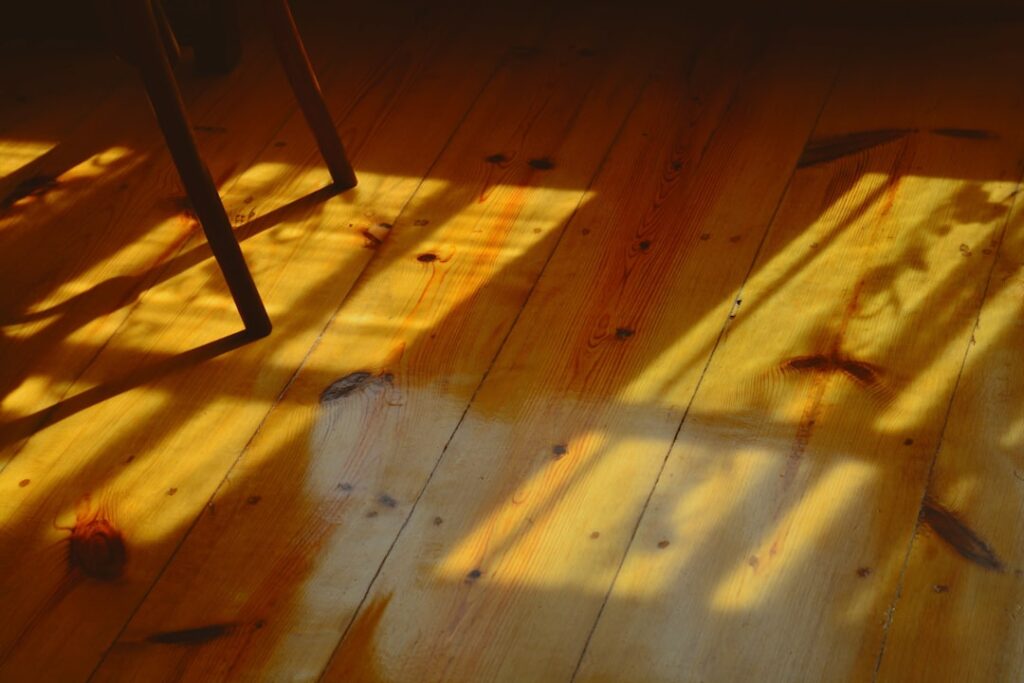
Maple is one of the most popular hardwood flooring species in North America, prized for its exceptional hardness, smooth grain, and light, clean color palette. From modern minimalist homes to traditional family residences, maple flooring delivers a bright, spacious aesthetic that complements a wide range of interior design styles.
This guide covers the differences between hard and soft maple, grain characteristics, color range, staining considerations, design applications, cost, and maintenance so you can determine whether maple is the right hardwood for your floors.
Hard Maple vs. Soft Maple
When flooring retailers talk about maple hardwood, they are usually referring to hard maple, also known as sugar maple (Acer saccharum). However, soft maple species are also used in flooring, and the distinction matters.
Hard Maple (Sugar Maple)
Hard maple is the industry standard for maple flooring. It has a Janka hardness rating of 1,450, making it one of the hardest domestic hardwood species available. For comparison, red oak rates 1,290 and white oak rates 1,360. This exceptional hardness means hard maple resists dents, scratches, and wear better than most other common hardwood flooring options.
Hard maple grows predominantly in the northeastern United States and southeastern Canada. The sugar maple tree is the same species tapped for maple syrup production, which speaks to the density and quality of the wood.
Soft Maple
Soft maple refers to several species including red maple (Acer rubrum), silver maple, and bigleaf maple. Despite the name, soft maple is not actually soft. It has a Janka hardness rating of approximately 950 to 1,180 depending on the species, which is still harder than many popular flooring woods including American cherry (995) and American walnut (1,010).
Soft maple costs less than hard maple, typically 15 to 25 percent less per square foot. It accepts stain more evenly due to its slightly more open grain structure. However, it is notably less resistant to denting and wear than hard maple, which makes it better suited for low to moderate-traffic areas like bedrooms and home offices rather than kitchens and entryways.
Grain Characteristics
Maple’s grain is one of its most distinctive features and a key reason designers choose it over other hardwood species.
Fine, Uniform Grain
Hard maple has an exceptionally fine, closed grain pattern that produces a smooth, uniform appearance. Unlike oak, which has prominent, pronounced grain lines, maple’s grain is subtle and tight. This gives maple floors a clean, contemporary look with less visual busyness than heavily grained woods.
The uniform grain also makes maple floors feel silky smooth underfoot when finished, as there are no open pores or grain valleys to create texture. This quality makes maple a popular choice for dance studios, basketball courts, and bowling alleys where a perfectly smooth surface is essential.
Figured Maple
Some maple trees produce distinctive figured grain patterns that are highly prized and significantly more expensive. These include:
Bird’s eye maple: Features small, swirling “eyes” scattered across the surface that create a unique, almost three-dimensional appearance. Bird’s eye maple flooring is a premium specialty product that can cost two to three times more than standard maple.
Curly maple (tiger maple): Displays a wavy, undulating grain pattern that creates alternating light and dark stripes across the board. The effect is striking and adds significant visual interest to the floor.
Quilted maple: Shows a pillowy, three-dimensional quilted pattern in the grain. This is rare and primarily used as an accent or feature rather than as full-room flooring.
Figured maple is typically available only through specialty flooring suppliers and is priced as a premium product. Standard maple flooring uses the more common straight-grained wood.
Color Range
Maple’s natural color palette is one of its most appealing qualities, especially for homeowners who want light, airy-looking floors.
Natural Color
Freshly milled hard maple ranges from creamy white to light golden yellow, with occasional reddish-brown heartwood streaks. The sapwood, which makes up the majority of flooring-grade maple, is the lightest portion. This pale color brightens rooms, makes spaces feel larger, and creates an excellent neutral canvas for furniture and decor in any color palette.
Over time, maple darkens slightly through exposure to UV light, developing a warmer amber or honey tone. This natural patina is subtle compared to species like cherry, which darkens dramatically, but it does shift the floor’s appearance over the years. Area rugs and furniture that block UV exposure can create lighter patches where the maple retains its original color.
Grade and Color Sorting
Maple flooring is sold in different grades that affect color consistency:
Select grade (first grade): Minimal color variation, very few mineral streaks or heartwood inclusions. This is the lightest and most uniform appearance.
Number 1 common: Some natural color variation including light heartwood and occasional mineral streaks. Provides more character while still appearing predominantly light.
Number 2 common (cabin grade): Significant color variation, larger knots, mineral streaks, and heartwood. This grade shows the full natural range of maple’s color palette and works well in rustic or eclectic designs.
Staining Maple: What You Need to Know
Staining maple is possible but comes with challenges that set it apart from species like oak and ash. Maple’s tight, closed grain absorbs stain unevenly, which can result in a blotchy, mottled appearance rather than a smooth, consistent color.
Why Maple Blotches
The density variations within maple wood cause some areas to absorb more stain than others. End grain, areas around knots, and transitions between sapwood and heartwood absorb stain differently from the surrounding wood. On open-grained species like oak, these variations are masked by the prominent grain pattern. On maple’s smooth, uniform surface, blotching is highly visible.
How to Stain Maple Successfully
If you want stained maple floors, take these steps to minimize blotching:
Use a pre-stain conditioner: Apply a wood conditioner (like Minwax Pre-Stain Conditioner) before staining. The conditioner partially seals the wood, creating a more uniform absorption rate across the surface.
Choose gel stain: Gel stains sit on the wood surface rather than penetrating into it. This produces a more even color on dense, tight-grained woods like maple. Gel stains are available in the same color range as traditional stains.
Go darker gradually: Instead of applying one heavy coat of dark stain, build color with multiple thin coats of a lighter stain. This gives you more control over the final color and reduces blotching visibility.
Consider dye stains: Water-based or alcohol-based dye stains penetrate wood differently than pigmented stains and can produce more uniform results on maple. Professional floor finishers often prefer dye stains for maple.
The Best Approach: Embrace the Natural
Many designers and flooring professionals recommend leaving maple in its natural color or using a clear finish with a slight amber tone. Maple’s natural light color is one of its primary selling points, and attempting to make it look like a different species through heavy staining often produces disappointing results. If you want a dark floor, consider a naturally dark species like walnut rather than trying to stain maple dark.
Contemporary Design Applications
Maple flooring has experienced a resurgence in popularity driven by several contemporary design trends.
Scandinavian and Minimalist Design
The Scandinavian design movement emphasizes light colors, natural materials, and clean lines. Maple’s pale color and smooth grain perfectly align with this aesthetic. Paired with white walls, simple furniture, and natural light, maple floors create the bright, uncluttered look that defines Scandinavian interiors.
Modern Farmhouse
While rustic oak is the traditional farmhouse flooring, maple in a natural or lightly whitewashed finish brings a modern twist to farmhouse design. The lighter color creates contrast with darker hardware and fixtures that are popular in modern farmhouse kitchens and bathrooms.
Contemporary and Mid-Century Modern
Maple’s clean, uniform appearance complements the sleek surfaces and geometric forms found in contemporary design. In mid-century modern spaces, maple’s warm golden tones echo the blond wood furniture that defines the era.
Small Space Design
Interior designers frequently recommend light-colored flooring for small rooms, apartments, and condos. Maple’s pale tones reflect more light than darker species, helping compact spaces feel open and airy. Wide-plank maple maximizes this effect by reducing the number of seam lines across the floor.
Cost
Maple hardwood flooring is competitively priced within the domestic hardwood market.
Unfinished solid maple: $3 to $7 per square foot for standard grades. Select grade commands premium pricing.
Prefinished solid maple: $5 to $10 per square foot. The factory-applied finish adds cost but eliminates on-site sanding and finishing.
Engineered maple: $4 to $9 per square foot. Engineered construction provides better dimensional stability and allows installation over concrete and radiant heat systems.
Installation labor: $3 to $8 per square foot depending on installation method (nail-down, glue-down, or floating) and regional labor rates.
Total installed cost: $8 to $16 per square foot for a typical residential project with professional installation.
Figured maple varieties (bird’s eye, curly) cost significantly more, often $12 to $20 per square foot for material alone, and are typically special-order products.
Maple vs. Oak: A Common Comparison
Maple and oak are the two most popular domestic hardwood flooring species, and homeowners frequently compare them.
Hardness: Maple (1,450 Janka) is harder than both red oak (1,290) and white oak (1,360), giving it an edge in dent and scratch resistance.
Grain: Oak has a prominent, visible grain that adds texture and character. Maple has a fine, subtle grain that creates a smoother, more uniform appearance. This is purely a matter of aesthetic preference.
Staining: Oak accepts stain beautifully and evenly. Maple is difficult to stain without blotching. If you want a stained hardwood floor, oak is the easier choice.
Color: Natural maple is lighter than natural oak. Both darken with age, but maple remains lighter overall.
Price: Comparable. Maple and oak are similarly priced for standard grades.
Maintenance
Maple hardwood floors are relatively easy to maintain, but their light color does show dirt and dust more readily than darker floors.
Daily care: Sweep or dust mop daily to remove grit that can scratch the finish. A microfiber dust mop is the best tool for this.
Weekly cleaning: Damp mop with a hardwood floor cleaner or a barely damp microfiber mop. Avoid excess water, which can damage any hardwood floor.
Preventive measures: Place mats at entryways to catch grit and moisture. Use felt pads under furniture legs. Avoid walking in high heels or cleats on maple floors, as the concentrated pressure from small contact points can dent even this hard wood.
Refinishing: Maple’s hardness means it wears slowly, but it will eventually need refinishing. A screen-and-recoat every 3 to 5 years extends the finish life. A full sand-and-refinish is typically needed every 10 to 15 years depending on traffic. Solid maple flooring can be refinished multiple times over its lifetime, which can exceed 75 years with proper care.
For comprehensive hardwood floor care guidance, visit our hardwood flooring guide.
Is Maple Right for Your Home?
Maple hardwood flooring is an excellent choice if you want a light, bright floor with exceptional durability. It works best when left in its natural color or finished with a clear coat. If you are set on a dark stained floor, other species like oak or walnut will give you better results.
Maple’s hardness makes it ideal for high-traffic homes, families with kids and pets, and active households where floor durability is a priority. Its clean, contemporary appearance suits modern design aesthetics while adapting comfortably to traditional settings. For a hardwood floor that looks as good decades from now as it does on installation day, maple is one of the smartest choices you can make.
Prefer to explore on your own?
See how new flooring looks in your actual room in seconds — free, no signup.
Try the free Floor Studio →

