Maple hardwood is one of the hardest and most popular domestic flooring species in North America, prized for its tight grain, pale natural color, and serious durability. If you want a floor that brightens a room and shrugs off heavy traffic, maple deserves a spot on your shortlist. It does, however, come with a few quirks during finishing that are worth understanding before you commit, especially if you plan to stain it.
Hard Maple vs. Soft Maple
When people say maple flooring, they almost always mean hard maple, also called sugar maple or rock maple. It rates about 1450 on the Janka hardness scale, harder than red oak at 1290. That hardness is why maple is the standard for basketball courts, bowling lanes, and gym floors. Soft maple, a group that includes red and silver maple, is noticeably softer and not commonly used for residential flooring. Confirm you are buying hard maple if durability is your priority.
Look and Color
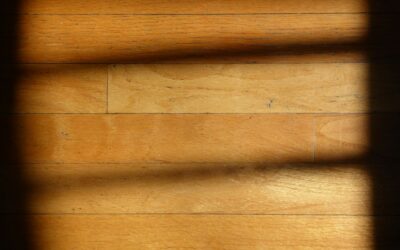
Maple’s signature is its light, creamy tone and subtle, fine grain. The sapwood is nearly white, while the heartwood runs slightly darker with amber or reddish-brown hints. The grain is smooth and understated rather than dramatic like oak, which gives maple a clean, contemporary feel. Over time, natural maple ambers slightly with light exposure, deepening to a warm honey tone. Many homeowners choose maple specifically for that bright, minimalist look that makes rooms feel larger.
The Finishing Challenge
Here is the most important thing to know: maple is notoriously difficult to stain evenly. Its dense, closed grain absorbs stain unevenly, which often produces a blotchy, splotchy result, particularly with darker colors. Pros work around this with a pre-stain wood conditioner, dye-based products, or spray application, but even then, dark stains on maple are risky.
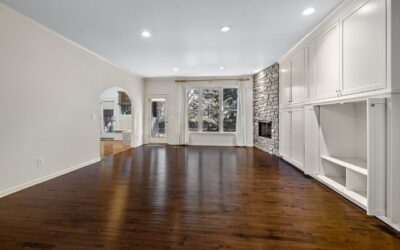
For that reason, maple looks best with a clear or natural finish that shows off its pale tone. A water-based polyurethane keeps the wood looking light and true, while an oil-based finish adds warm amber undertones. If your heart is set on a dark floor, oak or hickory takes stain far more predictably than maple.
Solid vs. Engineered Maple
Maple comes in both solid and engineered forms, and the right choice depends on your subfloor and climate.
- Solid maple: A single piece of hardwood, typically 3/4 inch thick. It can be sanded and refinished many times, lasting generations. It is sensitive to humidity swings and should not be installed below grade or over concrete without precautions.
- Engineered maple: A real maple wear layer over a plywood core. It handles humidity and temperature changes better, can go over concrete or in basements, and installs as a floating, glued, or nailed floor. Thicker wear layers can be refinished once or twice.
Grades and What They Mean
Maple flooring is sold in grades based on appearance, not strength.
- First grade (clear or select): The most uniform, with minimal color variation and few mineral streaks. The priciest option.
- Second grade: More color variation and small character marks, a good value for a natural look.
- Third grade and rustic: The most character, including streaks, knots, and color swings, the most affordable and increasingly popular for casual interiors.
Cost Expectations
Maple flooring material typically runs $4 to $9 per square foot for solid and $5 to $12 for quality engineered, with installation adding roughly $3 to $7 per square foot. Wider planks and select grades sit at the top of those ranges. While maple is comparable to oak in price, the harder-to-stain nature means custom-stained maple often costs more in labor. Always order 7 to 10 percent extra for cuts and waste.
Durability and Care
Maple’s hardness makes it excellent for living rooms, hallways, and kitchens, though no hardwood is fully waterproof. Sweep or vacuum regularly to keep grit from scratching the finish, wipe spills promptly, and use felt pads under furniture. Maintain a stable indoor humidity between 35 and 55 percent to limit seasonal gapping and cupping, which dense maple can show if conditions swing. Refinish solid maple every couple of decades or when wear becomes visible, and re-coat the finish periodically to extend its life.
Maple vs. Oak: A Quick Comparison
Since oak is maple’s main rival, it helps to weigh them side by side. Maple is harder, with a Janka rating of about 1450 versus red oak’s 1290, and it has a smoother, more uniform grain that suits modern, minimalist interiors. Oak, by contrast, has a pronounced, open grain that hides scratches and dents better and accepts stain in virtually any color without blotching. If you want a clean, light, contemporary floor, maple wins; if you want versatility, easy staining, and a forgiving grain that camouflages wear, oak is the safer pick. Both are durable domestic species that hold their value well at resale.
Where Maple Works Best
Maple’s combination of hardness and bright color makes it a natural fit for several rooms. It excels in living rooms, dining rooms, and hallways where its durability shines under daily traffic. Its light tone is especially effective in smaller or darker spaces, where it reflects light and makes the room feel more open. Because dense maple reacts to humidity swings, it is less ideal for kitchens prone to spills, bathrooms, or basements, where engineered maple over a moisture barrier is the wiser choice. Pair maple with under-furniture felt pads and entry mats to keep its smooth surface looking pristine.
Is Maple Right for You?
Choose maple if you want a hard, bright, low-key floor and you love or can live with its natural light color. Look elsewhere if you are dead set on a rich, dark stain, since maple fights you on that front. For homeowners after durability, a clean modern look, and a domestic species that ages gracefully into warm honey tones, maple hardwood is a smart, long-lasting choice. Weigh the finishing limitations against the payoff of a tough, timeless floor, and for the right home and the right finish, maple delivers beauty and performance in equal measure.
Prefer to explore on your own?
See how new flooring looks in your actual room in seconds — free, no signup.
Try the free Floor Studio →