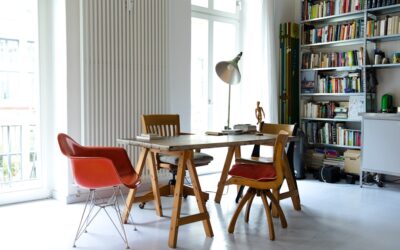
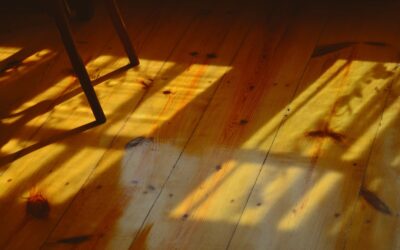
Maple was the dominant residential hardwood floor for two decades before oak reclaimed the throne. Light maple flooring is now back in the conversation as buyers move away from the gray and dark-stained looks that defined the 2010s and toward bright, Scandinavian, and minimalist palettes. The species delivers a clean, almost cream-blonde tone that brightens rooms without competing with cabinetry or art.
This guide covers what light maple is, the difference between hard and soft maple, current pricing, and the design considerations for working with this distinctive wood.
What Light Maple Looks Like
Light maple flooring presents a creamy white to pale yellow base color with subtle, fine grain and almost no figure. The wood reads as one of the lightest mainstream hardwoods, second only to white ash and birch. Heartwood and sapwood are very close in color, which gives maple its uniform appearance.
Boards typically run 2.25 to 5 inches wide. Wider plank maple is harder to find because the species moves more across its width than oak, and wider boards risk cupping in less-than-perfect humidity environments.
Hard Maple vs Soft Maple
Hard Maple (Acer saccharum)
Sugar maple, the species used for bowling alleys, basketball courts, and butcher blocks. Janka hardness 1,450, slightly above red oak. Tight grain, minimal figure, and exceptional durability. This is the maple specified in serious residential and commercial flooring.
Soft Maple (Acer rubrum and others)
Red maple, silver maple, and bigleaf maple all fall in this category. Janka hardness 950 to 1,200. Looks similar to hard maple but dents more easily and shows wear faster. Often substituted in budget products without disclosure. Always confirm the species on a spec sheet before purchase.
Current Pricing
- Solid hard maple, 2.25 to 3.25 inch: $4 to $7 per sq ft material
- Solid hard maple, 4-inch and wider: $6 to $10 per sq ft material
- Engineered hard maple: $5 to $11 per sq ft material
- Curly or birdseye figured maple: $9 to $25 per sq ft material
Add $4 to $6 per sq ft for installation. A 1,500 sq ft main level in solid hard maple typically lands $13,000 to $22,000 fully installed.
Pros
- One of the brightest natural wood floors available, perfect for modern and Scandinavian interiors
- Hard maple’s high Janka rating handles family traffic, kids, and pets
- Tight grain creates a smooth, contemporary look without the busy figure of oak
- Domestic species with reliable supply and predictable pricing
- Refinishable multiple times in solid format
Cons
- Notoriously difficult to stain evenly because of its closed grain and uniform density
- Yellows over time as exposure to UV ambers the surface
- Highly reactive to humidity changes, requires tighter humidity control than oak
- Smooth grain shows scratches and dents more clearly than wire-brushed oak
- Often substituted with soft maple in budget products
Why Maple Is Hard to Stain
Maple’s tight grain and dense surface resist absorbing stain evenly. Without a wood conditioner or pre-stain treatment, dark stains produce blotchy, uneven color. This is why most light maple flooring is sold either unfinished and finished with clear oil or polyurethane, or pre-finished with manufacturer-applied conditioners and dyes.
If you want gray-stained or whitewashed maple, work with a finisher experienced with maple specifically. Generic wood floor finishers often produce poor results on this species.
The UV Yellowing Issue
Light maple flooring slowly ambers over 5 to 15 years of UV exposure. The change is subtle in shaded areas and pronounced in sun-drenched rooms. Direct sunlight through south-facing windows can yellow maple visibly within 18 months.
To minimize yellowing, specify a UV-blocking finish like Bona Traffic HD or Pallmann Pall-X 96. Apply window film or use roman shades during peak sun hours. Acknowledge that some yellowing is unavoidable with this species.
Best Design Pairings
Light maple shines in Scandinavian, minimalist, mid-century modern, and contemporary interiors. White and off-white walls, low-contrast cabinetry, and natural fiber textiles all amplify the bright, airy effect.
The wood pairs well with:
- White or off-white kitchen cabinets
- Black metal accents (window frames, light fixtures, hardware)
- Natural fiber rugs (jute, sisal, wool)
- Cool-toned upholstery (gray, navy, sage green)
- Walnut or matte black furniture for high-contrast accent
Avoid pairing light maple with golden honey oak cabinets or warm-toned 1990s finishes. The undertones fight each other.
Installation Considerations
Acclimate maple at least 7 to 10 days in the room of installation, with HVAC running and humidity controlled to 35 to 55 percent relative humidity. Maple expands and contracts more than oak across the same humidity range, so meeting these conditions is non-negotiable.
Use solid maple over wood subfloors only. Engineered is the right choice for slab-on-grade and any radiant heat installation. Glue-down with a urethane adhesive produces the most stable result. Floating installations work but feel hollower underfoot than glue-down or nail-down.
Finishing Options
For unfinished maple, use water-based polyurethane with high solids content (Bona Traffic HD, Loba Easy Finish 2K, Pallmann Magic Oil). Two coats of sealer plus two coats of topcoat is the standard. Hard wax oil produces a more natural, matte look but needs reapplication every 2 to 5 years.
Avoid oil-based polyurethane on maple. The amber tone of oil-based finishes accelerates yellowing and produces a finish that ages poorly compared to water-based equivalents.
Maintenance
Sweep daily, dust mop or vacuum with soft brush 2 to 3 times a week. Damp mop weekly with Bona, Loba, or Pallmann hardwood cleaner. Avoid water, vinegar, and ammonia, all of which damage the finish over time.
Plan to recoat the polyurethane every 5 to 8 years to refresh the finish before wear-through requires full sanding. Solid maple can take 6 to 8 full refinishes over its lifespan.
Where Light Maple Fits Best
Living rooms, bedrooms, hallways, and home offices in modern and Scandinavian homes. Less ideal for kitchens with heavy cooking traffic (the smooth grain shows wear) and not recommended for any room with extreme humidity swings or unfiltered south-facing sun.
Final Thoughts
Light maple flooring is having a quiet renaissance as the design world steps back from gray and embraces lighter, airier aesthetics. Specify hard maple over soft maple, choose a UV-blocking water-based finish, and maintain stable humidity. The result is a bright, contemporary floor that anchors modern interiors for decades.
Prefer to explore on your own?
See how new flooring looks in your actual room in seconds — free, no signup.
Try the free Floor Studio →