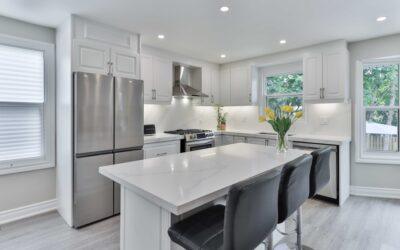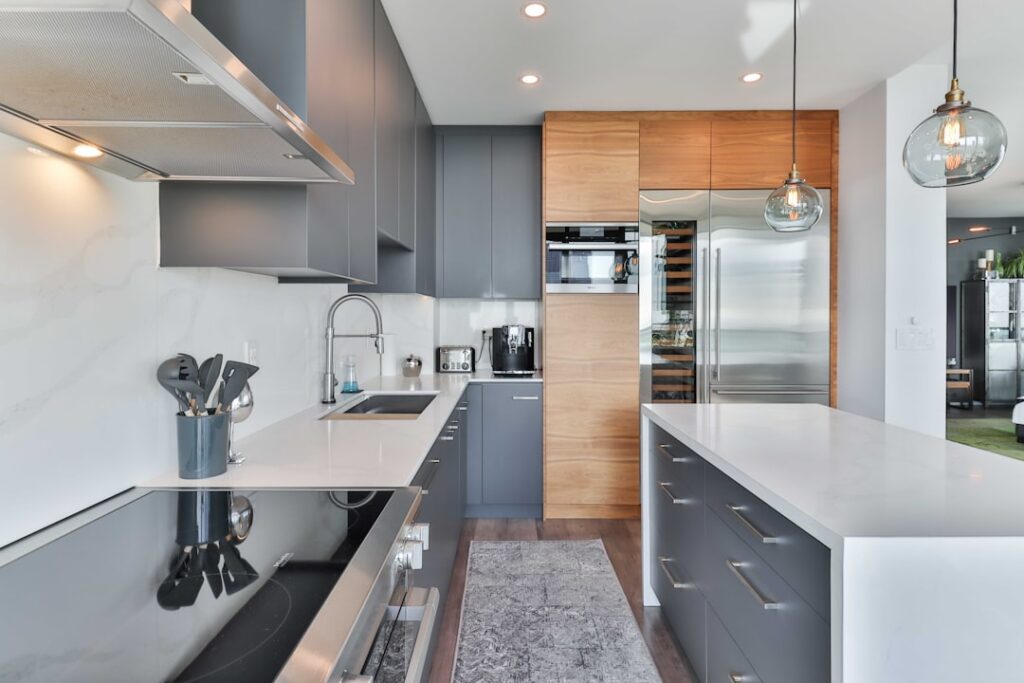
Light maple is one of those cabinet woods that fell out of fashion in the late 2000s and is now quietly making a comeback as homeowners get tired of monochrome white kitchens. The fine, even grain reads as warm and natural without the orangey saturation of oak or the stark blandness of painted MDF. Light maple cabinets work especially well in kitchens with modest natural light, where the wood’s pale honey tone reflects more brightness than darker species. Here’s what to know about choosing, pairing, and caring for them.
Part of our Kitchen Remodeling guide — explore the full guide →
Why Maple Earned Its Place in Cabinetry
Hard maple (Acer saccharum) is one of the densest domestic hardwoods in commercial production. It rates 1,450 on the Janka hardness scale, harder than red oak, walnut, or cherry. That density gives the wood its smooth, almost porcelain-like finish when sanded properly and a high resistance to dents and dings around high-use areas like trash cabinets and drawers near the dishwasher.
The downside of maple’s density is that it absorbs stain unevenly. This is why most light maple cabinetry uses a clear lacquer or a very light tinted toner rather than a true stain – the wood shows blotches when stain hits the closed-pore grain.
Finish Options That Read as Light
“Light maple” covers a range of finishes. The most common are:
- Natural clear coat: Pure maple under conversion varnish or pre-cat lacquer. Pale yellow-cream with subtle figure.
- Honey or wheat: Light amber tint, slightly warmer than natural.
- Buttercream or off-white wash: A pickled or wash finish that lets some grain show through a creamy white tone.
- Bleached maple: Treated with hydrogen peroxide to push the wood toward white-blond before finishing.
Bleached maple is on-trend for 2026 contemporary kitchens because it offers the warm-grained look without the dated 1990s honey-oak association.
Best Countertops to Pair
Light maple plays well with more countertops than most wood species because the warm undertone neutralizes cool stones. Top pairings:
- Calacatta-pattern quartz: White with grey-gold veining echoes the maple’s warmth without competing
- Soapstone: The dark grey-green provides high contrast and modern edge
- Honed black granite: Bold modern-traditional combination, hides crumbs well
- Butcher block (walnut or cherry): Warm-on-warm tonal contrast for farmhouse style
- White carrara marble: Classic but requires sealing diligence
Avoid stark white quartz with no veining – the contrast is too sharp and the maple looks dingy by comparison.
Floor Pairings That Work
Maple cabinets can clash with red-oak hardwood floors because both woods have similar warm undertones but different grain patterns. The eye reads it as off, even if it can’t articulate why. Better pairings include white oak with a natural matte finish, hickory wide-plank, or LVP in a greige or weathered-oak look. Tile floors in cream travertine, ceramic in a beige or sand tone, or porcelain plank in a natural oak appearance all complement light maple cabinets without competing.
Wall Color Recommendations
Light maple is a warm neutral, so cool wall colors balance it best:
- Sherwin-Williams Sea Salt (SW 6204) – soft greige with green
- Benjamin Moore Revere Pewter (HC-172) – warm grey, popular for resale
- Behr Silver Drop (790C-2) – cool light grey
- Sherwin-Williams Agreeable Grey (SW 7029) – balanced neutral
Avoid yellow-based tans (Navajo White, classic beige) – they amplify the maple’s warmth and the room reads dated.
Care and Cleaning
The conversion varnish or pre-cat lacquer on factory-finished maple is durable, but two habits will keep cabinets looking new for 20 plus years. First, wipe spills immediately – even sealed maple can develop water rings if liquid sits overnight. Second, avoid cleaners with ammonia, vinegar, or citrus solvents. Use a soft cloth with warm water and a drop of dish soap for routine cleaning. For grease buildup near the range, a 1:4 mix of Murphy Oil Soap and water works without stripping the finish.
UV exposure will shift maple toward a deeper amber over 5 to 10 years. This is normal aging, not damage. If you have inconsistent sun exposure across cabinet faces, expect some color drift between cabinets in direct light and those in shadow.
Common Maple Hardware Choices
Brushed nickel, satin brass, and matte black all work on light maple. The trend toward unlacquered brass and aged bronze has done well on maple in transitional kitchens. Avoid polished chrome – the high reflectivity competes with maple’s natural sheen and reads cheap.
What to Watch Out For When Buying
Big-box “maple” cabinets are often a mix of solid maple doors, maple veneer over plywood frames, and HDF panels with a printed maple grain. The grain printing has improved dramatically but still reads as plastic up close. For genuine all-wood maple cabinets at a reasonable price, check semi-custom brands like KraftMaid, Decora, and Schrock, which run $4,000 to $9,000 for an average kitchen footprint. Custom shops cost double but offer better wood matching across doors and panels.
Resale Considerations
Light maple cabinets in 2026 are no longer the negative resale factor they were in 2018 to 2022. Buyers tired of all-white kitchens see maple as warm and timeless if paired with modern hardware and counters. Avoid the dated combination of heavily orange-toned maple, granite with too much movement, and oil-rubbed bronze hardware – that triplet still reads as 2008. Modernize one or two of those elements and the kitchen feels current.