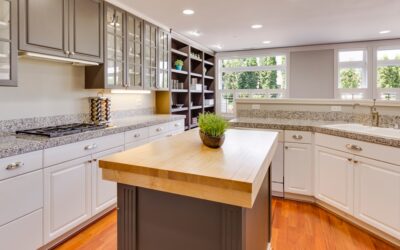
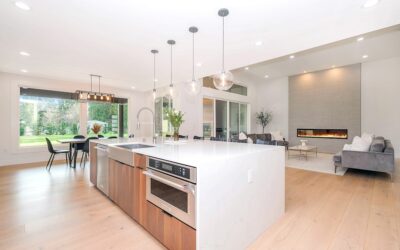
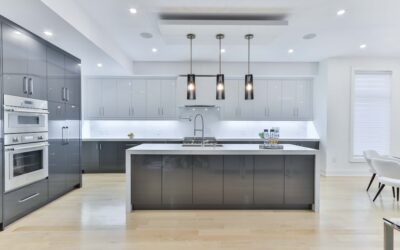
Stone gets the glamour shots, but wood countertops keep coming back because they bring a warmth no slab of quartz can match. A maple countertop sits at the practical heart of that category: hard, light-colored, affordable relative to exotic woods, and tough enough to handle a working kitchen. Maple is the classic butcher-block species for good reason, with a tight, even grain that resists denting and a pale tone that brightens a space. I have installed plenty of maple tops in island and perimeter applications, and homeowners consistently appreciate how the surface ages into something with real character.
Part of our Countertops guide — explore the full guide →
This guide covers the grain styles, finishes, cost, and the maintenance that keeps a maple top looking its best for decades.
Why Choose Maple
Maple earns its popularity through a combination of qualities. It is a dense hardwood, which means it stands up to daily chopping and impact better than softer woods. Its light, creamy color brightens kitchens and pairs with nearly any cabinet color, from white to deep navy. It is more affordable than walnut or cherry while still reading as a premium natural material. And unlike a cold stone slab, wood is warm and quiet under your hands, which makes a kitchen feel inviting.
Grain Styles and Construction
How the wood is cut and assembled changes both the look and the durability of the countertop.
Edge Grain
Edge-grain construction glues long strips of maple together with the narrow edge facing up, creating that familiar striped butcher-block look. It is stable, attractive, and the most common choice for countertops. It resists warping well and shows beautiful long lines of grain.
End Grain
End-grain tops stand short blocks of wood on end, showing the rings of the grain, the classic checkerboard chopping-block surface. End grain is the most durable for cutting because the knife slips between the wood fibers rather than across them, and it is more forgiving of knife marks. It costs more and is heavier.
Face Grain (Plank)
Face-grain or plank tops show the wide flat face of the board, giving the most furniture-like, continuous-grain appearance. It is the most decorative but the least resistant to dents and knife cuts, so it suits a surface you will not chop directly on.
Finish Options
The finish you choose determines how you can use the countertop and how it ages.
- Food-safe oil (mineral oil or oil-wax blends): penetrates the wood, keeps it food-safe for cutting, and is easy to re-apply, but needs regular reoiling
- Polyurethane or hard varnish: creates a durable waterproof film that resists stains and needs little upkeep, but you should not cut directly on it and repairs mean refinishing
- Tung oil and hardening oils: a middle ground that builds a tougher, water-resistant surface while keeping a natural feel
For a true working butcher block you will cut on, choose food-safe oil. For an island or perimeter run you want low-maintenance, a film finish makes sense.
What a Maple Countertop Costs
Maple is one of the more budget-friendly hardwood countertop options. Pre-made butcher-block maple counters often run $20 to $60 per square foot for the material, with custom and end-grain tops climbing higher. Installed, a maple countertop commonly lands in the $40 to $100 per square foot range depending on construction, thickness, edge profile, and your region. That positions it well below premium stone and on par with mid-range quartz, while delivering a completely different look.
Caring for a Maple Top
Wood demands a bit more attention than stone, but the routine is simple once you build the habit.
- Wipe spills promptly. Standing water is wood’s biggest enemy, especially around the sink. Do not let liquid pool.
- Reoil oiled tops regularly. Apply food-safe mineral oil monthly at first, then as needed when the surface looks dry. Oil keeps the wood from cracking.
- Use cutting boards on film finishes. If your top is polyurethaned, cut on a board to avoid scratching the finish.
- Clean gently. Mild soap and water, then dry. Skip harsh chemicals and abrasive pads.
- Sand out damage. One of wood’s best traits: deep scratches, stains, and burns can be sanded out and refinished, restoring the surface like new.
Where Maple Works Best
Maple is versatile. It makes a warm, hardworking island top where you prep and gather, a budget-friendly perimeter counter, or a baking station, since the smooth surface suits rolling dough. Many homeowners mix materials, using stone around the sink and stovetop where water and heat concentrate, and maple on an island for warmth and a built-in cutting surface. Keep wood away from the immediate sink and dishwasher zone unless you are diligent about wiping, since constant moisture there is the toughest test for any wood top.
Maple Versus Other Countertop Materials
Seeing maple next to its alternatives clarifies the trade-offs. Against quartz and granite, maple costs less and brings warmth, but it needs more upkeep and dents more easily. Against laminate, maple is solid wood that can be sanded and refinished for decades, where laminate must be replaced once it chips or delaminates. Against other woods, maple is harder and cheaper than walnut or cherry while reading lighter and brighter; it is comparable to birch and beech but more widely available. The honest summary is that maple is the value play in the wood category and a warm counterpoint to stone, ideal for a homeowner who wants natural material and a working surface without the premium price of exotic species or the cold feel of a slab.
The Bottom Line
A maple countertop delivers warmth, durability, and natural beauty at a price that undercuts premium stone, which is why it remains the go-to butcher-block species. Choose edge grain for a classic striped look, end grain for serious chopping, and match your finish to how you will use the surface. Keep it oiled or sealed, wipe spills fast, and sand out damage as it appears. Treated well, a maple top only gets more characterful with age, anchoring a kitchen for decades.