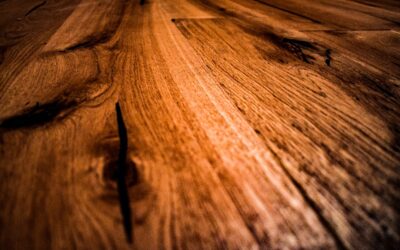
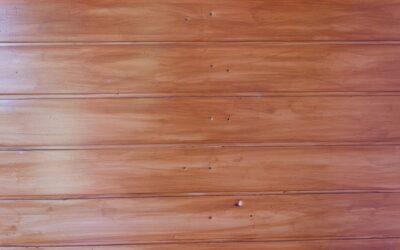
The tightest, densest, most beautiful wood you can buy today was cut more than a century ago. Salvaged hardwood flooring, reclaimed from old barns, factories, and demolished buildings, comes from slow-grown trees with grain so tight that modern plantation lumber cannot match it. Beyond the warm, weathered character, there is a sustainability story: you are reusing wood that already exists instead of harvesting new forests. But reclaimed boards demand more inspection, more prep, and a higher price than off-the-shelf flooring, so it pays to know what you are getting into.
Where Salvaged Wood Comes From
Reclaimed flooring is sourced from structures being torn down or renovated. Each origin lends its own look and species.
- Barn wood: Often oak, chestnut, or pine, with nail holes, saw marks, and a gray patina.
- Industrial buildings: Old factories and warehouses yield dense maple and oak from heavy floor decking and joists.
- Wine and whiskey barrels: Oak with distinctive staining, popular for accent areas.
- Gymnasium and bowling-alley maple: Hard maple strips already milled as flooring, prized for durability.
Some of the most coveted material is American chestnut, a species nearly wiped out by blight in the early 1900s, which now exists almost exclusively as reclaimed lumber.
Why Old Wood Is Better Wood
Trees that grew in dense old-growth forests added narrow annual rings, producing wood that is harder, more dimensionally stable, and richer in figure than fast-grown modern timber. Old-growth heart pine, for example, can be nearly twice as hard as the new-growth pine sold today. That density resists dents and holds finish beautifully. The decades of seasoning also mean the wood has fully acclimated and is unlikely to move much once installed correctly.
The Honest Pros and Cons
Reclaimed flooring is romantic, but it is not for every project.
- Pros: Unmatched character and patina, superior old-growth density, genuine sustainability, rare species availability, and a story behind every board.
- Cons: Higher cost, often $8 to $25 per sq ft and up; potential for embedded nails, insect damage, or old finishes; longer lead times; and limited, inconsistent supply.
Inspecting and Vetting the Boards
Quality varies wildly between dealers, so inspect before you buy. Reputable suppliers run boards through a metal detector to find broken nails and screws that would destroy planer blades and saw teeth. Ask whether the wood has been kiln-dried after reclamation; this step kills insects and powderpost beetle larvae and brings moisture content down to a stable 6 to 9 percent. Check for old lead-based finishes if boards will be re-sanded, and confirm the supplier has remilled the lumber with a tongue and groove if you want a standard installation.
Milling and Grading Choices
Raw reclaimed lumber must be remilled into usable flooring. You can buy it three ways.
- Skip-planed: Lightly surfaced to keep original saw marks and patina while flattening the back.
- Fully milled and sanded: A cleaner, more refined face that still shows nail holes and grain character.
- Face-grade selected: Boards sorted for fewer defects, commanding the highest price.
Decide early how much rustic character you want, because that choice drives both the look and the cost per square foot.
Costs and Where the Money Goes
Reclaimed flooring carries a premium for good reasons, and understanding the cost drivers helps you budget. The raw material itself is labor-intensive to recover: someone has to dismantle a barn or factory board by board, pull or punch out old nails, and sort the usable lengths. Then comes remilling, kiln drying, and grading. Expect $8 to $25 per sq ft for the wood alone, with rare species like American chestnut or wide heart-pine planks climbing higher. Add the extra installation labor for thick, variable boards and the 10 to 15 percent waste factor, and a reclaimed floor can cost two to three times what new flooring of the same species would run. You are paying for scarcity, history, and density you cannot buy any other way.
Installation Considerations
Treat salvaged hardwood flooring like premium solid wood. Acclimate the boards in the room for at least one to two weeks, checking moisture content with a meter until it stabilizes within 2 percent of the subfloor. Reclaimed planks are often thicker and wider than modern flooring, so nail-down installation over a wood subfloor is standard, frequently with glue assist for wide boards. Expect more sorting and waste, typically 10 to 15 percent, because you will set aside boards with unusable defects.
Finishing the Reclaimed Look
Many homeowners want to preserve the patina, so a clear penetrating oil or a matte water-based polyurethane keeps the aged tone without the plastic sheen of high-gloss finishes. If you sand to fresh wood, you lose the weathered surface but gain a smoother, more uniform floor. Decide before installation whether you are buying character or clean grain, because you cannot have both on the same board.
Is It Worth the Premium?
Buying From a Reputable Dealer
Because reclaimed wood is inconsistent by nature, the dealer matters as much as the wood. A trustworthy supplier will tell you the building of origin, confirm the boards were kiln-dried after reclamation, document metal-detection screening, and provide a clear grade so you know how much character and how many defects to expect. Ask to see a sample box rather than buying off a photo, and confirm the total square footage available, since matching a discontinued reclaimed lot later is impossible. Get the milling specs in writing, including board widths, thickness, and the tongue-and-groove profile, so the flooring is ready to install rather than arriving as raw lumber you must mill yourself.
For a feature room, an entry, or a renovation of a historic home, salvaged hardwood flooring delivers authenticity and density that no new product can fake. For a tight budget or a large whole-house install, the cost and labor may be hard to justify. If the look matters more than the origin, engineered or distressed new wood can mimic the appearance for less, but for buyers who value the real thing, reclaimed wood is a floor that only gets better with another century of use.
Prefer to explore on your own?
See how new flooring looks in your actual room in seconds — free, no signup.
Try the free Floor Studio →