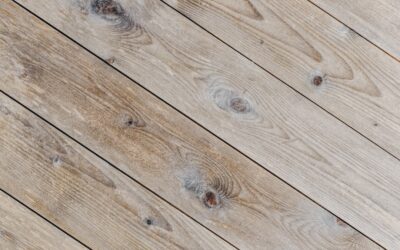
The longleaf heart pine I pulled out of a 1903 textile mill in North Carolina yielded 8-inch wide planks with growth rings packed at 22 per inch — denser than any new-growth pine you can buy at any price today. Reclaimed pine flooring is the only category where the wood is genuinely better than what’s available new, because the trees that produced it have been logged out for a century. After installing reclaimed pine in a Vermont farmhouse and a Charleston row home, I can tell you the wood rewards research and punishes uninformed buyers.
- Heart Pine vs Antique Yellow Pine vs New-Growth Pine
- Why the Wood Is Genuinely Different
- Sourcing and Authentication
- The Milling Decision That Drives Aesthetics
- Wide-Plank Reality and Length Distribution
- Pros That Justify the Premium
- Cons Worth Knowing Before You Order
- Finishes That Honor the Wood
- Installation Specifics for Wide Reclaimed Plank
- Is Reclaimed Pine Flooring Worth the Investment
Heart Pine vs Antique Yellow Pine vs New-Growth Pine
Three categories of pine show up in the reclaimed market, and the price gap between them is dramatic. Heart pine — specifically antique heart pine from longleaf trees (Pinus palustris) cut before 1920 — is the premium tier. The wood comes from old factories, warehouses, and farmhouses where 200-year-old trees became 24-inch beams. It’s amber-colored, dense, and pitchy. Expect $14 to $32 per sq ft for material.
Antique yellow pine covers the loblolly, slash, and shortleaf species cut between 1900 and 1960. It’s lighter in color, faster-grown, and less dense than longleaf. Pricing runs $7 to $14 per sq ft. New-growth reclaimed pine — wood salvaged from 1970s-1990s buildings — is functionally similar to lumber-yard new pine and prices at $4 to $7 per sq ft.
Why the Wood Is Genuinely Different
Old-growth longleaf pine grew in dense forests with slow vertical competition. Growth rings packed at 18-30 per inch versus 4-8 per inch in modern fast-grown plantation pine. The dense rings produce wood with three benefits: harder surface (Janka 1,000+ versus 690 for new pine), greater dimensional stability, and the deep amber color that comes from concentrated resin.
Old-growth wood also has a natural patina from age. The amber tones, mineral streaks, and nail-hole markings tell the story of a building that came down. Replicating that look on new wood requires staining, distressing, and antiquing — a $4-$8 per sq ft processing cost that puts new pine close to reclaimed pricing anyway.
- Heart pine Janka: 1,225 lbf — close to red oak
- Antique yellow pine Janka: 870 lbf
- New-growth pine Janka: 690 lbf — softer than walnut
- Growth ring count drives 70% of the difference
Sourcing and Authentication
Three categories of supplier sell reclaimed pine. Specialty deconstruction yards (Carlisle Wide Plank, Mountain Lumber, Pioneer Millworks, Goodwin Heart Pine) buy whole buildings, mill the wood themselves, and provide chain-of-custody documentation. Pricing is at the high end but the product is verified.
Regional sawyers buy timber from local deconstruction projects and mill on demand. Pricing is mid-range and quality varies. Online marketplaces (Etsy, eBay, Reclaimed Wood Exchange) carry the most variability — some excellent product, some misrepresented new wood at premium pricing. Always request mill certification and high-resolution photos showing growth rings before paying.
The Milling Decision That Drives Aesthetics
Reclaimed pine ships in three milling profiles. Original-face flooring leaves the historic surface intact — saw marks, nail holes, original patina. Run your hand across it and you feel the building’s history. Pricing premium is 10-20%.
Skip-planed flooring removes the worst surface defects but preserves most of the patina. This is the most common spec for residential installation — provides usable surface while keeping aged character. Fully-planed flooring removes all surface history and exposes fresh wood underneath. Cheapest option but defeats the purpose of buying reclaimed in the first place.
Wide-Plank Reality and Length Distribution
Reclaimed pine commonly mills into 6-12 inch wide planks at random lengths from 2 to 14 feet. The wide planks are the visual draw — and the engineering challenge. Wider boards move more with seasonal humidity changes, so the install window for reclaimed pine is narrower than for narrow-strip new flooring.
Acclimate boxes for 10-14 days minimum, not the 2-3 days the showroom suggests. Reclaimed wood has been dry for decades and may have absorbed humidity in transit. Skipping acclimation is the most common cause of cupping or gapping at year one.
Pros That Justify the Premium
Hardness is the surprising one. Antique heart pine tests within 10% of red oak hardness on the Janka scale, despite being a softwood by classification. The wood handles family traffic, dogs, and furniture rolling without dent issues that affect new pine.
The aesthetic is the second strength. Original-face reclaimed pine reads as authentic — period-correct for 1700s, 1800s, and early 1900s home renovations. Architectural review boards in historic districts often require reclaimed material for renovation projects, eliminating new wood from consideration entirely.
Cons Worth Knowing Before You Order
Pricing is the main barrier. A 1,500 sq ft heart pine install at $24 per sq ft material plus $9 per sq ft installation runs $49,500 — versus $13,500 for new red oak with comparable performance. The premium buys aesthetics and history, not better engineering.
The second issue is supply. Reclaimed pine inventory is finite. Some specifications (very wide planks, specific finish profiles) require 8-16 week lead times or simply aren’t available. Buyers who must have the floor in 4 weeks should consider distressed new pine instead.
Finishes That Honor the Wood
Reclaimed pine looks best under low-sheen oil finishes — Rubio Monocoat, Tried & True Original Finish, or hardwax oils like Pallmann Magic Oil. The matte finish lets the patina show through and feels right for the wood’s age. Glossy polyurethane reads modern and conflicts with the historic character.
Unfinished reclaimed pine accepts stain unevenly because of varied resin content — that’s a feature, not a bug, when you want a layered, antique appearance. Sample any stain on a hidden plank section before applying to the full floor.
Installation Specifics for Wide Reclaimed Plank
Subfloor must test at 10-12% moisture content and the reclaimed pine within 4 percentage points. Use cleat or staple fasteners on 6-8 inch spacing into a 3/4-inch plywood subfloor. For boards over 8 inches wide, install a 6-mil polyethylene vapor retarder under the subfloor in any climate with seasonal humidity over 30% swing.
Face-nailing wider boards (8+ inches) is good practice, with countersunk square-cut nails matching the historic look. Filling the nail holes with putty hides the fasteners; leaving them exposed reads more authentic. The choice depends on the home’s overall aesthetic.
Is Reclaimed Pine Flooring Worth the Investment
For historic home renovations, restoration projects, and design-forward homes that want authentic patina, reclaimed pine flooring is the most legitimate choice in the wide-plank softwood category. Skip it if budget caps under $10 per sq ft material, if you need a quick install on a 4-week timeline, or if you want a uniform modern look that distressed new pine can deliver for less. Match the wood grade to the project’s age and budget, and the reclaimed pine floor will outlive every other finish in the house.
Prefer to explore on your own?
See how new flooring looks in your actual room in seconds — free, no signup.
Try the free Floor Studio →