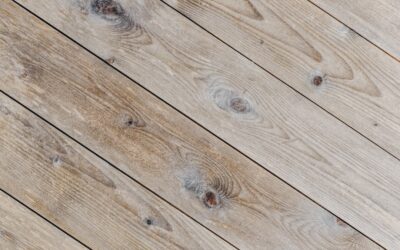
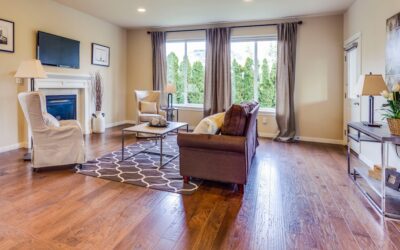
There is a reason a floor salvaged from a 150-year-old barn commands more per square foot than freshly milled oak: you cannot manufacture patina. Wide plank reclaimed wood flooring is milled from timber that already lived a full life as a factory beam, a barn joist, or the deck of an old warehouse, and it brings a depth of color, grain, and honest wear that new wood needs decades to develop. The wide boards, often 6 to 12 inches across, showcase that history in a way narrow strips cannot. But reclaimed wood is a specialty product with real quirks, so here is what to know before you fall for it.
What Makes It Reclaimed
Reclaimed flooring is remilled from antique structural wood. Old barns, mills, factories, and even wine casks are dismantled, the nails are pulled, and the timbers are kiln-dried, planed, and cut into flooring. Much of it comes from old-growth trees that grew slowly over centuries, producing tighter grain and denser, more stable wood than today’s fast-grown lumber. Popular species include heart pine, oak, chestnut, and Douglas fir, some of which, like American chestnut, are essentially impossible to buy new.
The Case for Wide Planks
Width changes the entire character of a floor. Wide boards mean fewer seams across the room, a more open and expansive feel, and each plank becomes a showcase for knots, nail holes, saw marks, and color variation. In a traditional farmhouse, a rustic cabin, or a modern space that wants a single dramatic organic element, wide reclaimed planks do more design work than almost any other material. The look is warm, grounded, and unmistakably real.
The Pros
- Unmatched character. Weathered patina, original nail holes, and rich color that no factory finish can replicate.
- Old-growth stability and density. Tight-grained antique wood is often harder and more dimensionally stable than new lumber.
- Genuinely sustainable. It reuses existing timber and keeps old wood out of landfills, with no new trees cut.
- A story and rarity. Species and textures you simply cannot get from new wood, which adds real resale appeal.
- Refinishable. As solid wood, it can be sanded and refinished for generations.
The Cons
- High cost. Expect to pay a premium for the labor of salvaging, de-nailing, and remilling.
- Limited and inconsistent supply. A given barn yields only so many square feet, so matching a large order or getting more later can be difficult.
- Extra prep required. Reputable suppliers metal-detect and kiln-dry to kill pests, but cheaper sources may hide old nails or insects.
- Wide planks move. Broad boards expand and contract more with humidity, so gapping in winter is common and must be planned for.
- Imperfections are the point. Buyers who want a flawless, uniform floor will not be happy with genuine reclaimed material.
What It Costs
Reclaimed wide-plank flooring typically runs $8 to $20 per square foot for the material alone, and rare species or premium grades can climb higher. Add professional installation and finishing at $4 to $8 per square foot and total installed costs commonly land between $12 and $28 per square foot. It is one of the more expensive floors you can buy, and the price reflects both scarcity and the hand labor behind every board.
Buying Smart: Questions to Ask
Reclaimed wood has no universal grading standard, so the supplier matters enormously. Before you order, confirm:
- Has it been kiln-dried? Kiln drying stabilizes moisture content and kills any insects or larvae in the wood.
- Was it metal-detected and de-nailed? Hidden fasteners ruin planer blades and saw teeth.
- What is the moisture content? Aim for 6 to 9 percent for interior flooring.
- Is it solid or an engineered reclaimed veneer? Engineered reclaimed exists and is more stable for wide widths over concrete.
- Can you see the actual lot? Reclaimed stock varies, so sample the exact batch you will receive.
Installation and Living With It
Because wide reclaimed boards move with the seasons, acclimation is non-negotiable. Let the wood sit in the installed room for one to two weeks to reach equilibrium with your home’s humidity before installing. Many installers glue and nail wide planks for maximum hold, and keeping indoor humidity stable between 35 and 55 percent minimizes seasonal gapping. Expect some movement and embrace the small gaps and character marks, because fighting them defeats the entire reason you chose reclaimed wood.
Solid Reclaimed vs. Engineered Reclaimed
One decision trips up many reclaimed-wood buyers, and it is worth settling early: whether to buy solid reclaimed planks or an engineered version that uses a reclaimed wood veneer over a stable plywood core. Solid reclaimed is the purest form, milled entirely from the antique timber, fully refinishable for generations, and the choice for traditionalists who want the real thing through and through. Its weakness is movement; wide solid boards from old wood expand and contract meaningfully with humidity, which makes them harder to install over concrete slabs or with radiant heat, and more prone to seasonal gapping.
Engineered reclaimed solves the stability problem by sawing a thick layer of the genuine reclaimed wood, complete with its original patina, nail holes, and saw marks, and bonding it to a dimensionally stable core. You get the authentic weathered surface with far less seasonal movement, which is why engineered reclaimed is often the smarter pick for wide widths, for basements and slab-on-grade homes, and for pairing with in-floor heating. The trade-off is a thinner wear layer that limits how many times the floor can be sanded. If you have a below-grade room, radiant heat, or a climate with big humidity swings, engineered reclaimed is usually the practical answer; for a classic above-grade installation where you want to refinish indefinitely, solid reclaimed remains the gold standard.
The Bottom Line
Wide plank reclaimed wood flooring is a premium, character-driven choice for homeowners who value authenticity, sustainability, and a floor with a genuine past. It costs more and demands a trustworthy supplier and careful acclimation, but nothing new can duplicate the depth of a century-old board underfoot. If you want a floor that becomes the soul of a room and are willing to accept its honest imperfections, it is worth every dollar. Source from a reputable reclaimer, order a little extra for repairs, and let the wood settle into your home before it goes down.
Prefer to explore on your own?
See how new flooring looks in your actual room in seconds — free, no signup.
Try the free Floor Studio →