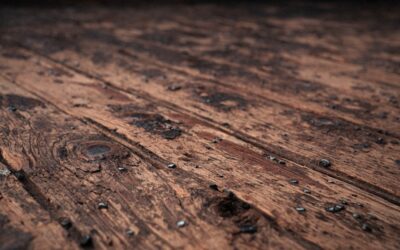
Engineered wide plank reclaimed wood flooring is where old-world character meets modern engineering, and it’s one of the most beautiful floors you can put in a home. It takes genuine salvaged wood, the weathered face of a century-old barn beam or factory joist, and bonds it as a wear layer over a stable plywood core. You get authentic patina and generous plank widths without the movement problems that plague solid reclaimed boards.
In this guide I’ll explain what this flooring actually is, why the engineered format solves real problems, what it costs, how it’s sourced, and what to know before you install it. If you love the look of aged timber but worry about stability and price, this is the format that bridges the gap.
What Makes It “Engineered” and “Reclaimed”
Two ideas combine here. Reclaimed means the visible wood was salvaged from an existing structure, barns, mills, warehouses, wine casks, snow fences, rather than freshly harvested. That history gives it saw marks, nail holes, checking, insect tracks, and a depth of color no new wood can fake. Engineered means that reclaimed face is sliced thin, usually a 2 to 6 millimeter wear layer, and glued over a cross-laminated plywood or HDF core.
The core is the key. By running its plies at right angles to each other, an engineered board resists the expansion and contraction that makes solid wood cup and gap. Old reclaimed timber is especially prone to movement because it’s dense, dry, and full of stress. Putting a thin reclaimed face on a stable core tames that behavior while preserving the look everyone actually wants.
Why Choose Engineered Over Solid Reclaimed
Solid reclaimed planks are gorgeous but temperamental. They can be wildly variable in thickness, warped, riddled with old fasteners that dull tools, and prone to seasonal movement that opens gaps. Milling them flat wastes much of the precious material. Engineered construction solves all of that. The dimensional stability lets you install over concrete slabs and radiant heat, which is a deal-breaker for most solid reclaimed floors.
You also get wider planks reliably. Wide boards, 7 to 12 inches and up, look stunning but are the most likely to cup in solid form. On an engineered core, a 10-inch reclaimed plank stays flat. And because the reclaimed material is used only as a thin face, a given quantity of salvaged wood covers far more floor, which makes rare species and dramatic patinas more attainable.
The Look: Character and Grade
The whole point of reclaimed wood is character, so lean into it. Expect a range: nail holes, bolt holes, mineral streaks, worm tracks, checks, and color variation from board to board. Some collections keep the original weathered gray skin of the wood; others plane it to reveal the rich patinated heartwood beneath, oak, chestnut, heart pine, and Douglas fir are common. Reclaimed oak reads warm and rustic; antique heart pine glows amber.
Grading matters. Higher character grades show more knots and holes, while cleaner grades are more uniform. Neither is better, it depends on the look you want. Order a sample box and lay several boards out together, because a single sample never shows the full range you’ll actually receive. This is not a floor for people who want everything matchy and perfect, and that’s exactly its appeal.
What It Costs
Authentic reclaimed material is labor-intensive to source and process, so expect to pay for it. Engineered wide plank reclaimed wood flooring typically runs from about $10 to $25 per square foot for the material alone, with premium species and wide widths pushing higher. Installation adds roughly $4 to $10 per square foot depending on method and region.
That’s a premium over standard engineered wood, but you’re buying a one-of-a-kind floor with a story and a sustainability angle. Compared to solid reclaimed, which can cost even more once you account for milling waste and the extra labor of installing temperamental boards, the engineered version is often the more sensible value. Get firm quotes that specify wear-layer thickness, because a thicker wear layer, meaning more sandings over the floor’s life, justifies a higher price.
Sourcing and Sustainability
Part of what people love about reclaimed flooring is that it keeps beautiful old wood out of landfills and avoids cutting new trees. Reputable suppliers document where their material came from, an old tobacco barn in Kentucky, a textile mill in New England, and ensure it’s been properly de-nailed, kiln-dried to kill pests and stabilize moisture, and screened for lead paint or contaminants. Ask about this.
Genuine reclaimed wood is a finite supply, which is part of why “reclaimed” is sometimes used loosely to mean distressed new wood. If authenticity matters to you, ask for provenance and confirm it’s truly salvaged, not simply wire-brushed and stained to look old. A trustworthy dealer will happily tell you the building your floor once was.
Wear Layer and Refinishing Potential
Because the reclaimed face is a veneer over a core, the wear-layer thickness determines how long the floor lasts and whether it can be refinished. A thin 0.6 to 2 millimeter wear layer generally can’t be sanded, or can take only one very light screening, so once it wears through you replace boards rather than refinish. A thicker 3 to 6 millimeter reclaimed wear layer can be sanded and refinished one or more times over its life, much like solid wood, which is what you want for a floor meant to last generations.
When comparing products, don’t just look at the total plank thickness, ask specifically about the reclaimed wear-layer thickness above the tongue-and-groove, since that’s the usable material. A premium reclaimed engineered floor with a thick wear layer costs more upfront but behaves like an heirloom floor. With reclaimed wood especially, this matters because you’re paying for authentic old material, and a thicker face means you actually get to enjoy that patina for decades and refresh it if needed rather than replacing the whole floor.
Design and Styling Ideas
Reclaimed wide plank floors are visually powerful, so let them lead the room. In a modern space, the contrast between clean-lined furniture and a weathered, characterful floor creates a striking tension that designers love, the floor becomes the warmth and soul in an otherwise minimal room. In a rustic or farmhouse setting, reclaimed oak or heart pine reinforces the story with exposed beams, natural textures, and vintage pieces.
Wide planks make a room feel larger and calmer because there are fewer seams to break up the surface, so they suit open-plan living beautifully. Run the same reclaimed floor continuously through connected spaces for a seamless, expansive feel. Because the material already carries so much visual interest, keep walls and larger furnishings relatively simple so the floor can breathe. And embrace the variation, don’t try to sort planks to hide their differences; the random mix of tones, holes, and marks is precisely what makes a reclaimed floor read as authentic rather than manufactured.
Installation and Care
Engineered reclaimed planks install like other quality engineered floors: glue-down over concrete, or nail-down or floating over a suitable subfloor, depending on the product and the manufacturer’s spec. The stability of the core is what makes glue-down over slab and radiant heat possible. Always acclimate the boxes in the room for several days and check subfloor moisture and flatness first, wide planks are unforgiving of an uneven subfloor.
Care is the same easy routine as any wood floor: sweep and vacuum grit, clean with a barely damp mop and a wood-floor cleaner, use felt pads and door mats, and hold indoor humidity around 40 to 60 percent. The reclaimed face already carries decades of wear, so minor new scuffs simply add to the patina rather than ruining a pristine surface, which is a genuinely relaxing way to live with a floor.
Prefer to explore on your own?
See how new flooring looks in your actual room in seconds — free, no signup.
Try the free Floor Studio →